






Managing multiple currencies in international dairy trading requires systematic approaches to handle exchange rate volatility, timing mismatches, and transaction costs. Successful dairy traders use hedging strategies, specialised trading software, and careful timing to minimise currency risk while maintaining profitable margins across global transactions.
What are the biggest currency challenges in international dairy trading?
Exchange rate volatility is the primary currency challenge, as dairy commodity prices can shift dramatically between contract signing and payment. Timing mismatches between purchase agreements and sales contracts create exposure periods during which currency movements directly affect profit margins.
The commodity trading cycle amplifies these challenges because dairy ingredients often involve extended delivery schedules. When you purchase 100,000 kilograms of milk powder from New Zealand in NZD but sell it three months later to a German manufacturer in EUR, currency fluctuations during this period can eliminate expected profits entirely.
Another significant challenge is managing cash flow across multiple currencies simultaneously. Dairy traders typically maintain positions in USD, EUR, GBP, and regional currencies, requiring constant monitoring of exchange rates and available balances. This complexity increases when dealing with emerging-market currencies that exhibit higher volatility.
Transaction costs compound these difficulties, as frequent currency conversions eat into already thin trading margins. Banks charge spreads on currency exchanges, and poor conversion timing can result in substantial additional costs that were not factored into the original deal calculations.
How do exchange rate fluctuations affect dairy commodity prices and profits?
Currency movements directly affect dairy trading profitability through pricing mechanisms and margin compression. When your base currency strengthens against the commodity pricing currency, your purchasing power increases, but export competitiveness may decrease.
Consider a practical scenario: you have contracted to buy milk powder at USD 3,200 per tonne when EUR/USD was 1.10. If the euro weakens to 1.05 by the payment date, your actual cost increases by roughly 5% in euro terms, potentially turning a profitable deal into a loss. This currency translation risk affects every international transaction.
Dairy commodity prices themselves often correlate with currency movements, particularly USD strength or weakness. When the dollar strengthens, USD-denominated commodities become more expensive for international buyers, potentially reducing demand and affecting global pricing structures.
The timing element adds complexity because dairy trading involves forward contracts with extended settlement periods. Market conditions can change significantly between contract execution and final payment, making currency management a critical component of overall trading strategy rather than an afterthought.
What tools and strategies help manage currency risk in dairy trading?
Forward currency contracts provide the most direct hedge against exchange rate risk by locking in rates for future transactions. Natural hedging strategies involve matching currency exposures by balancing purchases and sales in the same currencies when possible.
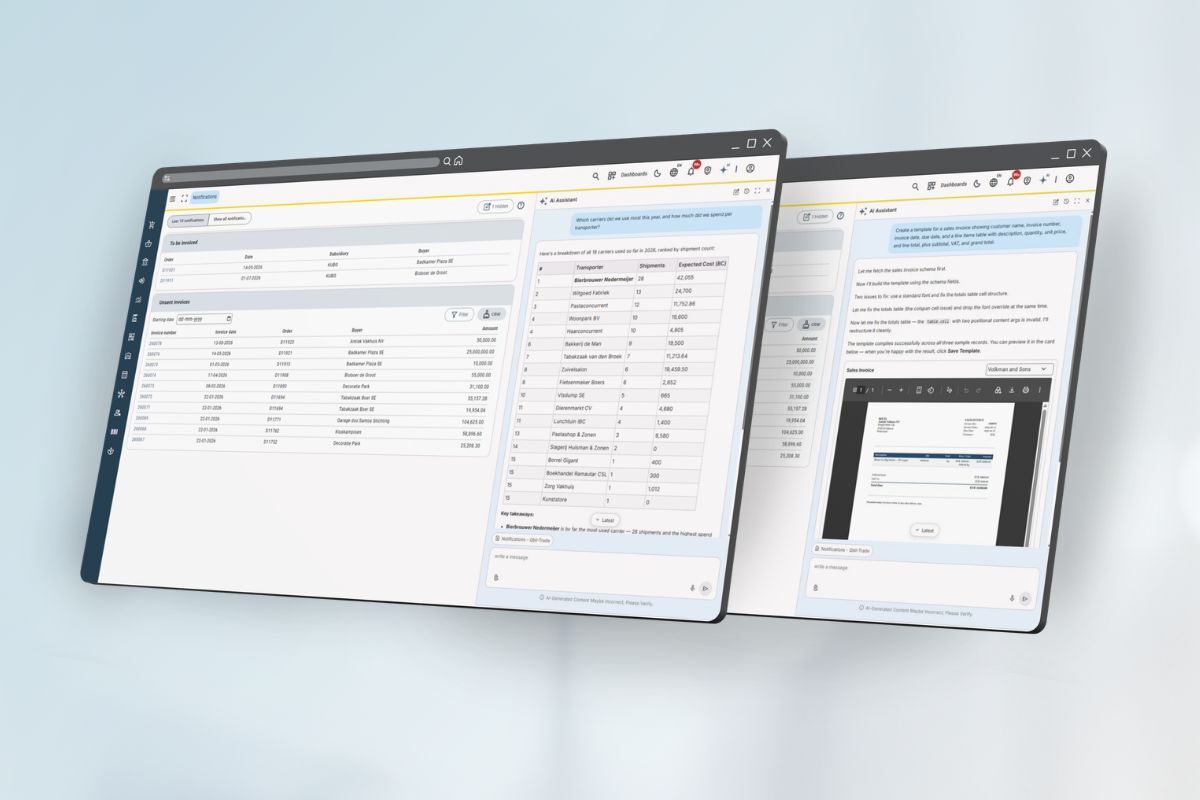
Specialised dairy trading software offers real-time multi-currency position monitoring, allowing traders to see their exposure across all currencies simultaneously. These systems can integrate with banking platforms to provide current exchange rates and support efficient currency management decisions.
Currency options provide flexibility by offering protection against adverse movements while allowing participation in favourable rate changes. Though more expensive than forward contracts, options suit situations where transaction timing remains uncertain or when you want to maintain upside potential.
Netting strategies reduce overall currency exposure by offsetting positions across different transactions. When you have both receivables and payables in the same currency, netting reduces the amount requiring conversion and minimises transaction costs.
Some traders establish multi-currency bank accounts to hold balances in major trading currencies, reducing conversion frequency and providing flexibility in timing currency exchanges based on market conditions.
How should dairy traders handle currency conversion timing and costs?
Optimal currency conversion timing requires monitoring both technical chart patterns and fundamental economic indicators that drive exchange rate movements. Converting currencies during high-liquidity periods typically results in better rates and lower spreads.
Understanding bank fee structures helps minimise conversion costs. Many banks offer tiered pricing based on transaction volumes, so consolidating conversions can reduce per-unit costs. Establishing relationships with multiple banks provides opportunities to compare rates and ensures backup options during market stress.
Strategic timing approaches include converting currencies when rates favour your position rather than waiting until payment deadlines force conversions at potentially unfavourable rates. This requires maintaining adequate liquidity buffers to support early conversions when opportunities arise.
Consider using currency conversion alerts to notify you when exchange rates reach predetermined levels that make conversions attractive. This proactive approach prevents reactive decision-making that often results in suboptimal timing.
For larger transactions, splitting conversions across multiple time periods can reduce the impact of short-term volatility. This dollar-cost averaging approach smooths out exchange rate fluctuations over time, though it requires careful cash flow management.
Successfully managing multiple currencies requires combining systematic risk management approaches with appropriate technology solutions. Dairy trading software that handles multi-currency positions and provides real-time exposure monitoring becomes essential as trading volumes grow. The key is to develop consistent processes that protect margins while maintaining the flexibility needed for profitable international dairy trading. For guidance on implementing comprehensive currency management systems, contact us to discuss your specific trading requirements.
Frequently Asked Questions
What's the minimum trading volume needed to justify using currency hedging strategies?
Currency hedging becomes cost-effective when your monthly trading volume exceeds $500,000 USD equivalent, as the cost of hedging instruments is typically offset by the protection they provide. For smaller volumes, focus on natural hedging by matching currency exposures and maintaining multi-currency accounts to reduce conversion frequency.
How do I calculate the actual impact of currency fluctuations on my dairy trading margins?
Calculate currency impact by comparing your contracted exchange rate to the actual settlement rate, then multiply the difference by your transaction value. For example, if you contracted at 1.10 EUR/USD but settled at 1.05, the 4.5% difference directly affects your margin. Track this across all transactions to understand your total currency exposure.
Should I hedge 100% of my currency exposure or leave some positions unhedged?
Most successful dairy traders hedge 70-80% of their currency exposure, leaving 20-30% unhedged to benefit from favorable currency movements. This approach provides downside protection while maintaining upside potential. The exact percentage depends on your risk tolerance and market outlook.
What are the warning signs that my currency management strategy isn't working?
Key warning signs include consistently losing more than 2% of deal value to currency movements, frequent last-minute conversions at unfavorable rates, or inability to accurately forecast cash flow needs in different currencies. If currency losses exceed your planned risk budget regularly, it’s time to reassess your hedging approach.
How can I get started with currency risk management if I'm new to international dairy trading?
Start by opening multi-currency bank accounts with a bank experienced in commodity trading, then implement basic forward contracts for your largest transactions. Use dairy trading software to monitor your positions and set up rate alerts. Begin with simple strategies before moving to more complex hedging instruments as your volume grows.
What's the difference between using bank forwards versus currency brokers for hedging?
Currency brokers typically offer better exchange rates and lower spreads than banks, especially for mid-market transactions, but banks provide integrated banking services and credit facilities. Many traders use brokers for pure hedging transactions while maintaining banking relationships for operational needs and financing.
How often should I review and adjust my currency hedging positions?
Review your currency positions weekly and adjust hedging strategies monthly or when your exposure changes significantly. Market conditions and your trading pipeline both evolve, so regular assessment ensures your hedging remains aligned with actual risk exposure and market opportunities.