






Commodity traders continue to rely on spreadsheets because they offer immediate familiarity, complete control, and flexible customisation that matches their unique trading patterns. Excel provides instant access to data manipulation without steep learning curves or software constraints. However, this dependence creates significant challenges as trading volumes grow, including manual errors, limited real-time visibility, and collaboration difficulties that can impact profitability and operational efficiency.
Why do commodity traders prefer spreadsheets over specialised software?
Commodity traders gravitate towards spreadsheets because they provide immediate control and familiar functionality without requiring extensive training or long adaptation periods. Excel offers virtually unlimited customisation, allowing traders to create exactly the formulas, layouts, and calculations they need for their specific trading strategies.
The psychological comfort of spreadsheets cannot be overstated. Most traders have used Excel throughout their careers, making it feel like a natural extension of their thought process. They can quickly modify formulas, add new columns, or restructure data without waiting for software updates or technical support. This flexibility feels essential when dealing with the unique requirements of dairy trading operations and commodity transactions.
Many traders also believe their business needs are too specialised for standard software solutions. They’ve developed complex spreadsheet systems over years that capture their specific trading patterns, client relationships, and market nuances. The perception that off-the-shelf software cannot match this level of customisation keeps them anchored to familiar Excel environments.
Cost considerations play a significant role as well. Spreadsheets appear “free” since most businesses already have Microsoft Office licences. The hidden costs of manual work, error correction, and time investment often remain invisible until problems become critical.
What problems do spreadsheets create for growing commodity trading businesses?
Growing commodity trading businesses face critical operational limitations when relying on spreadsheets, including a loss of real-time visibility, increased manual error risk, and an inability to handle complex multi-party transactions effectively. These issues compound as trading volumes and team sizes increase.
Real-time position tracking becomes nearly impossible with spreadsheets. Traders lose sight of their actual exposure across multiple contracts, delivery schedules, and price movements. This visibility gap can lead to overcommitment, missed opportunities, or unexpected losses when market conditions change rapidly.
Manual data entry creates substantial error risks that grow exponentially with business complexity. A single misplaced decimal point or incorrect formula can cascade through interconnected calculations, affecting profit margins, inventory levels, and client commitments. These errors often remain undetected until significant damage occurs.
Collaboration becomes increasingly difficult as teams expand. Multiple people working on different versions of the same spreadsheet creates version-control nightmares. Email attachments replace real-time updates, leading to decisions based on outdated information and conflicting data sources.
Scalability limitations emerge when spreadsheets reach their processing limits. Large datasets cause performance issues, crashes, and calculation delays that interrupt daily operations. Complex trading scenarios involving multiple currencies, delivery terms, and contract modifications become unwieldy in traditional spreadsheet formats.
How do successful commodity traders know when it’s time to move beyond Excel?
Successful commodity traders recognise the need to move beyond Excel when operational complexity exceeds spreadsheet capabilities, typically around 15–20 team members or when managing more than 100 active contracts simultaneously. Key warning signs include frequent data errors, collaboration conflicts, and reduced visibility into real-time positions.
Volume thresholds provide clear indicators for transition timing. When traders regularly handle more than 50 concurrent transactions or manage inventory across multiple locations, spreadsheets become inadequate for maintaining accurate oversight. The manual effort required to update multiple sheets exceeds available working hours.
Team size considerations become critical as businesses grow. Once more than five people need regular access to trading data, version-control issues and collaboration inefficiencies outweigh spreadsheet benefits. Email-based data sharing creates communication bottlenecks that slow decision-making.
Integration requirements signal another transition point. When traders need automatic connections to accounting systems, bank feeds, or market data sources, manual spreadsheet updates become unsustainable. The time spent on data entry and reconciliation could be better invested in actual trading activities.
Error frequency and impact provide the clearest warning signs. If data mistakes occur weekly or monthly corrections become routine, the business has outgrown spreadsheet reliability. The cost of errors often exceeds the investment required for proper trading software implementation.
What should commodity traders look for in trading software alternatives?
Commodity traders should prioritise industry-specific functionality, including contract management, real-time position tracking, and seamless integration capabilities, when evaluating trading software alternatives. Essential features must address the unique requirements of commodity trading operations while maintaining operational simplicity.
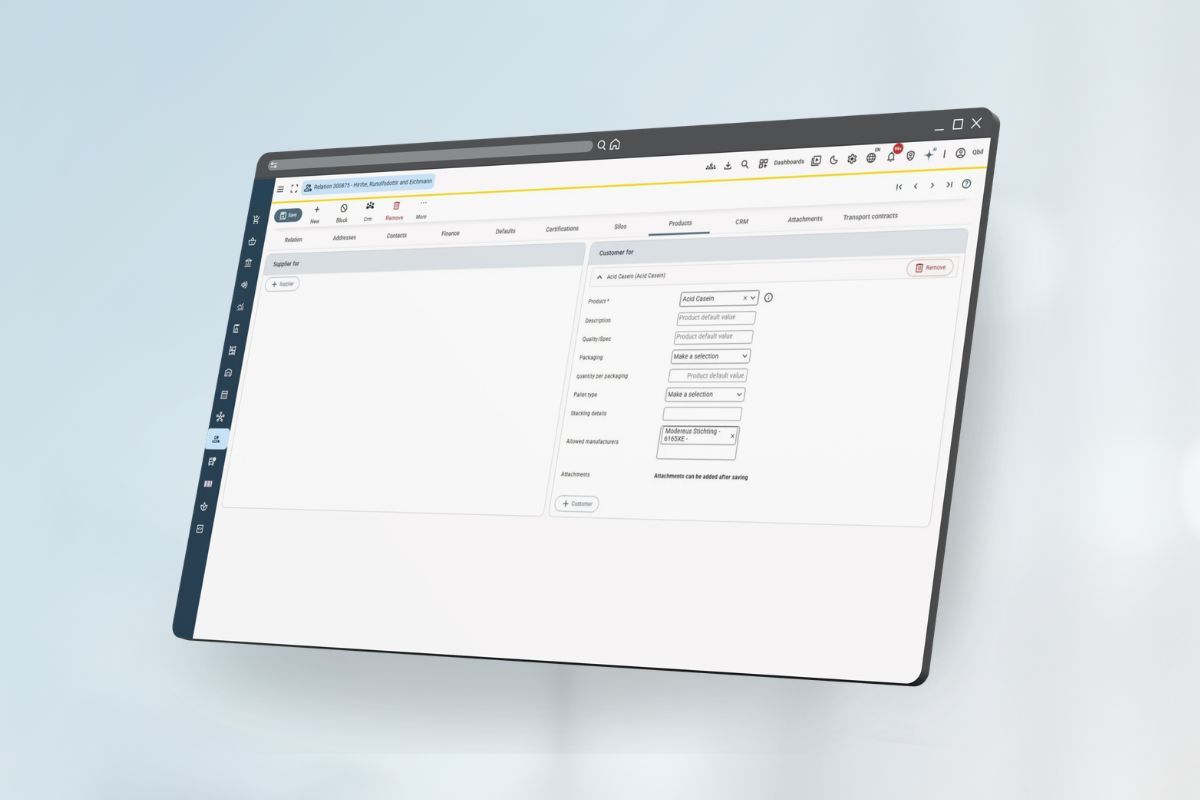
Contract management capabilities should handle complex multi-delivery schedules, price adjustments, and quality specifications common in dairy trading environments. The system must track partial deliveries, manage contract modifications, and maintain complete audit trails for regulatory compliance and client transparency.
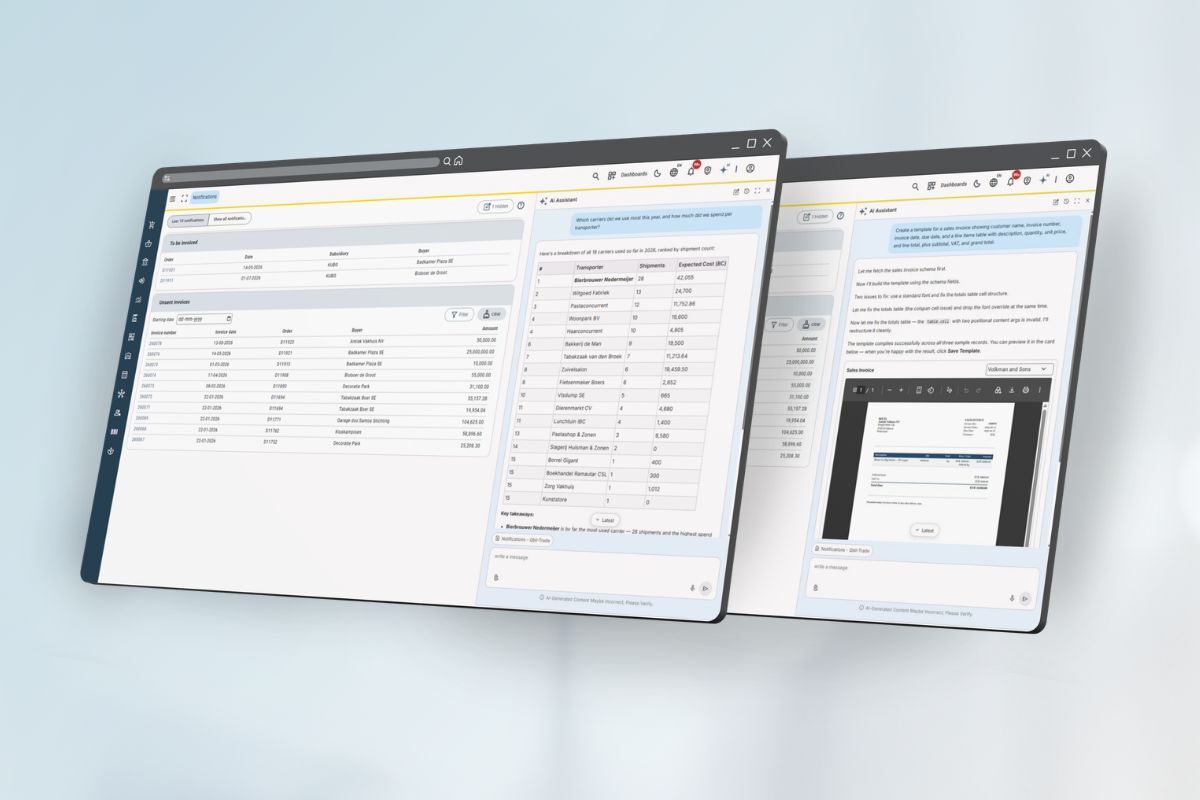
Real-time position tracking provides essential visibility into current exposure across all active contracts. Traders need instant access to buy-versus-sell positions, delivery obligations, and profit margins. This functionality prevents overcommitment and enables quick responses to market opportunities or risks.
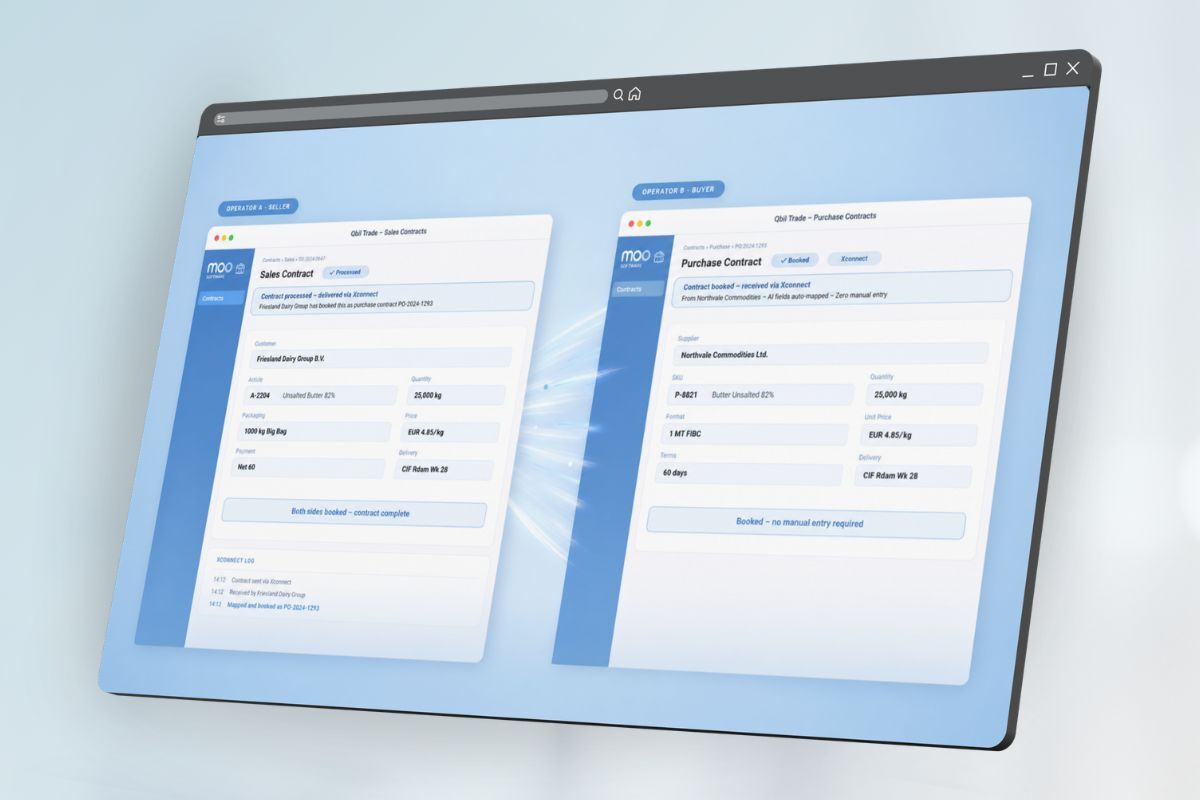
Integration requirements include connections to existing accounting systems, banking platforms, and market data feeds. Automatic data synchronisation eliminates manual entry errors while ensuring consistent information across all business systems. The software should complement existing workflows rather than requiring complete operational overhauls.
Implementation support matters significantly for successful transitions. Look for providers offering comprehensive onboarding processes, user training, and data-migration assistance. The best solutions can be operational within days rather than months, minimising business disruption during the changeover period.
Scalability and flexibility ensure the software grows with your business. Choose systems that accommodate increasing transaction volumes, additional users, and expanding product lines without requiring expensive upgrades or replacements. The solution should adapt to changing business needs rather than constraining growth opportunities.
Moving beyond spreadsheets represents a natural evolution for growing commodity trading businesses. The transition requires careful planning and appropriate software selection, but the operational benefits far outweigh the initial investment. Professional implementation support can ensure smooth transitions that enhance rather than disrupt daily trading activities. For guidance on selecting the right solution for your specific needs, professional consultation can help identify the most suitable approach for your business requirements.
Frequently Asked Questions
How long does it typically take to migrate data from spreadsheets to a new trading system?
Data migration usually takes 1-3 weeks depending on the complexity and volume of your spreadsheet data. Most modern trading systems offer automated import tools and professional migration services to ensure accurate data transfer without disrupting daily operations. The key is proper data cleaning and validation before migration begins.
What's the biggest mistake commodity traders make when transitioning away from Excel?
The most common mistake is trying to replicate every Excel formula and process in the new system instead of embracing improved workflows. This approach negates many benefits of professional trading software and often leads to unnecessary complexity. Focus on achieving better outcomes rather than identical processes.
How can I convince my team to switch from spreadsheets when they're comfortable with Excel?
Start by demonstrating specific pain points the new system solves, such as eliminating version control issues or providing real-time position visibility. Involve key team members in the software selection process and provide comprehensive training. Show concrete examples of time savings and error reduction rather than focusing on technical features.
Will I lose my custom calculations and formulas when moving to trading software?
Most professional trading systems can accommodate custom calculations through configurable fields, automated workflows, or reporting tools. During implementation, work with your software provider to recreate essential formulas within the new system’s framework. Many calculations become unnecessary as the software handles them automatically.
What happens to our historical trading data stored in spreadsheets?
Historical data can typically be imported into new trading systems, though some formatting and restructuring may be required. Most providers offer data migration services to preserve critical historical information. Consider keeping archived spreadsheets accessible for reference while building new data in the professional system.
How do I handle the learning curve when my team is already stretched thin?
Implement the new system gradually, starting with core users and essential functions before expanding to the full team. Schedule training during slower trading periods and consider temporary support staff during the transition. Most modern systems are designed for intuitive use, requiring less training time than expected.
Can trading software integrate with our existing accounting and banking systems?
Yes, most professional trading systems offer integration capabilities with popular accounting platforms, banking systems, and market data feeds. These integrations eliminate manual data entry and ensure consistency across all business systems. Discuss specific integration requirements with potential software providers during evaluation.