






Dairy manufacturing ERP systems are designed for production facilities that process milk into products such as cheese, yoghurt, and butter, with a focus on manufacturing workflows and quality control. Dairy trading software serves commodity traders and brokers who buy and sell dairy ingredients, emphasising contract management and position tracking. Understanding these differences helps dairy businesses choose the right system for their specific operations and requirements.
What exactly is a dairy manufacturing ERP system?
A dairy manufacturing ERP system is enterprise software specifically designed for facilities that process raw milk into finished dairy products. These systems manage the entire production lifecycle, from receiving milk to packaging final products such as cheese, butter, yoghurt, and milk powder.
Manufacturing ERP systems focus heavily on production planning and scheduling, ensuring optimal use of processing equipment and meeting delivery deadlines. They track batch processing, monitor equipment performance, and manage recipes for different product variants. Quality control modules ensure compliance with food safety regulations by tracking temperature controls, pasteurisation processes, and microbiological testing throughout production.
These systems also handle inventory management for raw materials, packaging supplies, and finished goods. They integrate with laboratory information systems to track quality metrics and generate certificates of analysis. Regulatory compliance features help manufacturers meet strict food safety standards by maintaining detailed records for traceability and audit purposes.
This manufacturing focus means these systems excel at managing complex production workflows, equipment maintenance schedules, and quality assurance processes that are essential for dairy processing facilities.
How does a dairy trading ERP differ from manufacturing systems?
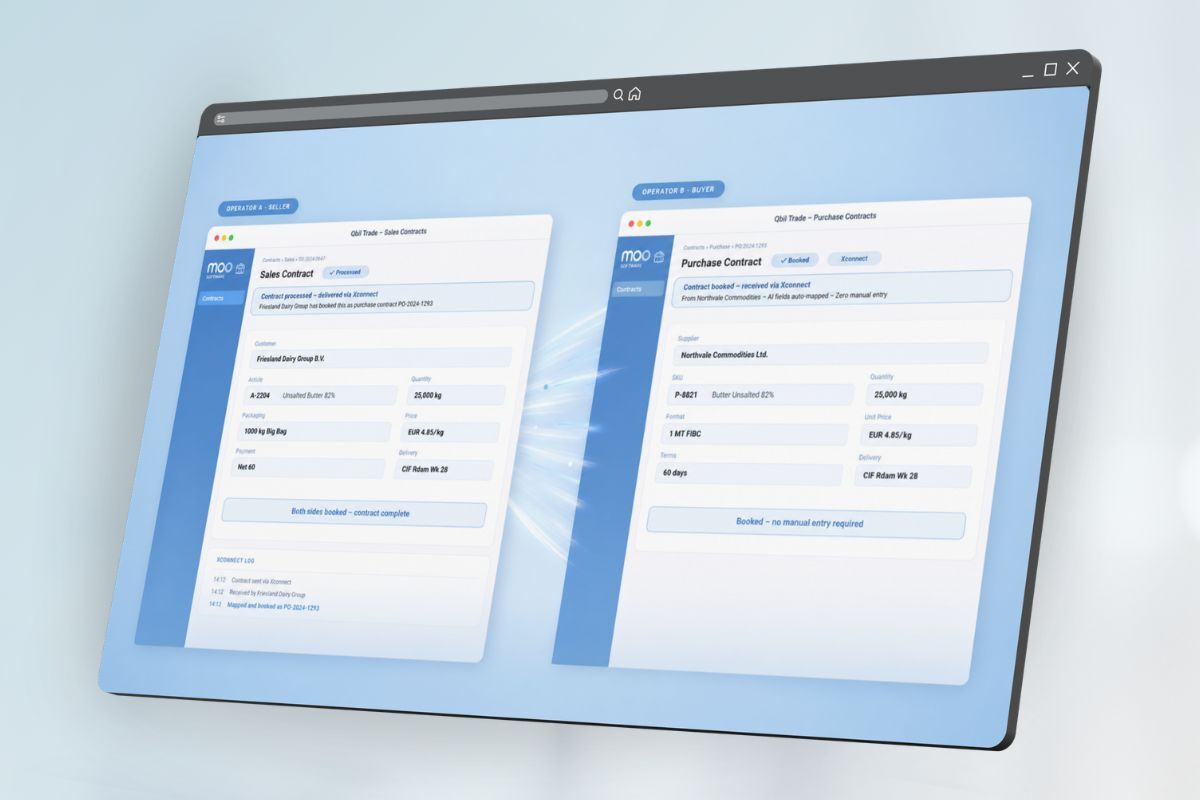
Dairy trading software is built for businesses that buy and sell dairy commodities and ingredients rather than manufacturing them. These systems prioritise contract management, position tracking, and logistics coordination over production processes.
Trading ERP systems excel at managing multiple contracts simultaneously, tracking what has been purchased versus what has been sold to maintain profitable positions. They handle complex pricing structures, including futures contracts, spot markets, and long-term supply agreements. Real-time position management shows traders their exposure and helps them make informed buying and selling decisions.
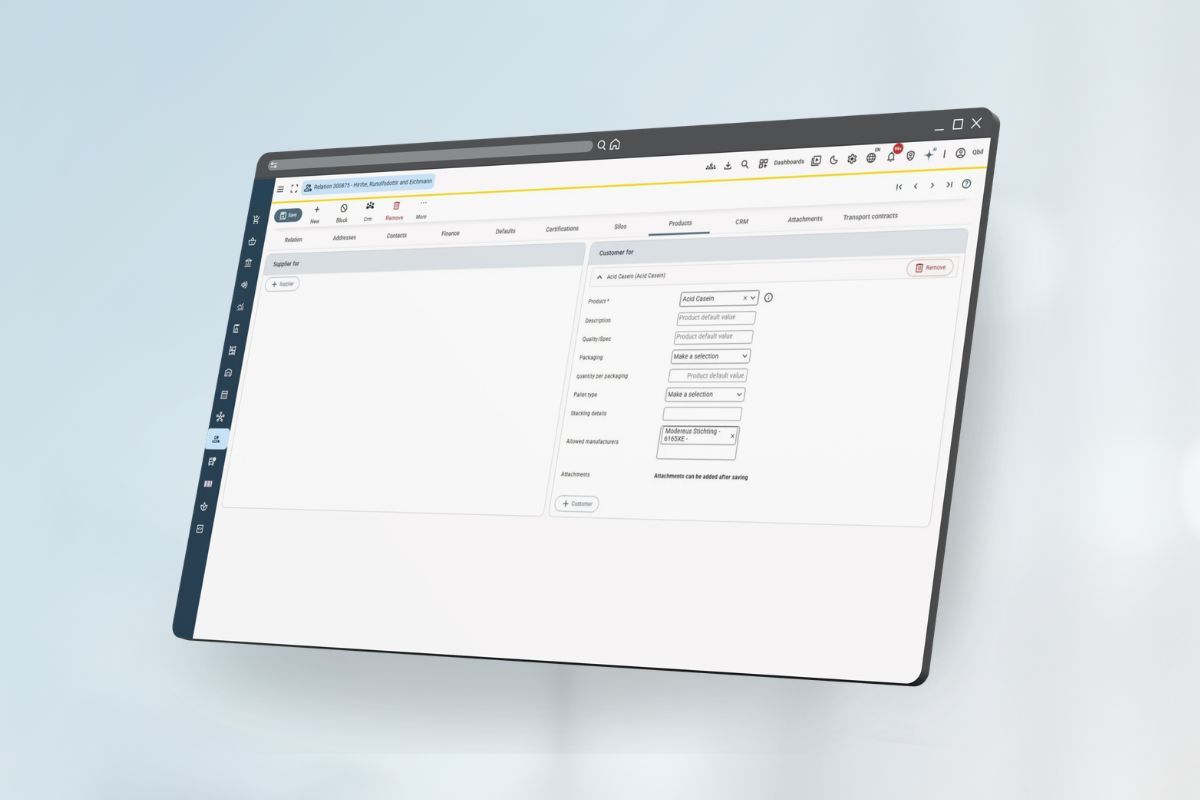
The logistics functionality focuses on coordinating shipments between suppliers and customers rather than managing internal production. These systems track deliveries, manage documentation for international trade, and handle the complex web of relationships in which customers often become suppliers in the same transaction.
Financial management in trading systems emphasises margin tracking, currency hedging, and rapid transaction processing. They integrate with commodity exchanges and provide real-time market data to support trading decisions. The emphasis is on speed, flexibility, and maintaining clear visibility of trading positions across multiple markets and currencies.
Which type of dairy business needs which ERP solution?
Dairy manufacturers that process raw milk into finished products need manufacturing ERP systems, while commodity traders and ingredient brokers require dairy trading software. The choice depends entirely on your primary business operations.
Choose manufacturing ERP if you operate processing facilities, manage production lines, or convert raw milk into finished dairy products. These businesses need systems that handle production scheduling, quality control, equipment management, and regulatory compliance for food manufacturing.
Select trading ERP if you buy and sell dairy ingredients, commodities, or finished products without manufacturing them yourself. Traders, brokers, and distributors that focus on moving products between suppliers and customers benefit from systems designed for contract management and position tracking.
Company size also influences the decision. Smaller trading operations often start with specialised dairy trading software that can be implemented quickly, typically within a couple of days. Larger manufacturers usually require more complex systems with extensive customisation and longer implementation timelines.
Some businesses operate both manufacturing and trading divisions, requiring either integrated systems or separate solutions that can share data effectively. Consider your primary revenue source and operational complexity when making this decision.
What are the key functional differences between these systems?
The core functional differences lie in operational focus: manufacturing systems manage production processes, while trading systems manage commercial transactions and positions. Each system’s modules reflect these different priorities.
Manufacturing ERP systems include production planning modules, recipe management, quality control workflows, and equipment maintenance scheduling. They track work orders, monitor production efficiency, and manage complex supply chains for raw materials and packaging. Inventory management focuses on raw materials, work-in-progress, and finished goods storage.
Dairy trading software emphasises contract management, allowing traders to track multiple agreements with different pricing terms, delivery schedules, and quality specifications. Position management provides real-time visibility of purchases versus sales, helping maintain profitable margins in volatile markets.
Financial modules differ significantly between the two systems. Manufacturing ERP focuses on cost accounting, production variance analysis, and standard costing for manufactured goods. Trading systems prioritise margin tracking, mark-to-market valuations, and rapid transaction processing.
Reporting capabilities reflect these different needs. Manufacturing systems generate production reports, quality metrics, and equipment utilisation data. Trading systems provide position reports, profit and loss statements, and market analysis tools.
Integration requirements also vary. Manufacturing systems connect with laboratory equipment, production machinery, and quality control devices. Trading systems integrate with commodity exchanges, market data providers, and logistics tracking systems.
Understanding these fundamental differences helps dairy businesses select systems that align with their operational requirements. Whether you need manufacturing control or trading agility, choosing the right system type ensures your ERP investment supports your specific business model effectively. For guidance on selecting the appropriate solution for your dairy business, speak with our specialists who understand the unique requirements of dairy industry operations.
Frequently Asked Questions
How long does it typically take to implement a dairy ERP system?
Implementation timelines vary significantly based on system type and business complexity. Dairy trading software can often be deployed within days to weeks, especially for smaller operations with straightforward requirements. Manufacturing ERP systems typically require 3-12 months for full implementation, depending on the number of production lines, customization needs, and integration requirements with existing equipment and laboratory systems.
Can a single ERP system handle both manufacturing and trading operations?
While some integrated solutions exist, most businesses find better results with specialized systems. Companies operating both divisions often use separate manufacturing and trading ERP systems with data integration bridges, or choose a primary system based on their larger revenue stream and supplement with specialized modules. The functional requirements are so different that a single system rarely excels at both.
What happens if our dairy business model evolves from trading to manufacturing?
Business model evolution requires careful ERP planning. Many successful dairy companies start with trading software and later add manufacturing capabilities. The best approach is to choose systems with strong data export capabilities and plan for migration early. Some businesses maintain both systems during transition periods, using data integration to maintain operational continuity while building manufacturing capabilities.
How do these ERP systems handle regulatory compliance differently?
Manufacturing ERP systems focus on food safety regulations like HACCP, FDA requirements, and traceability from raw milk to finished products. They maintain detailed production records, temperature logs, and quality test results. Trading systems emphasize commercial compliance, handling documentation for international trade, customs requirements, and contract law. Both maintain audit trails, but for completely different regulatory frameworks.
What are the most common implementation mistakes dairy businesses make?
The biggest mistake is choosing the wrong system type – manufacturers selecting trading software or vice versa. Other common errors include underestimating integration complexity with existing equipment, insufficient user training, and attempting to customize standard software too heavily. Many businesses also fail to properly map their unique workflows before implementation, leading to costly modifications later.
How do costs compare between dairy manufacturing and trading ERP systems?
Trading ERP systems typically have lower upfront costs and faster ROI due to simpler implementation requirements. Manufacturing ERP systems require higher initial investment due to equipment integrations, extensive customization, and longer implementation periods. However, manufacturing systems often provide greater long-term value through production efficiency gains and quality control improvements that reduce waste and regulatory risks.
What integration capabilities should I prioritize when selecting a dairy ERP system?
For manufacturing ERP, prioritize integrations with laboratory equipment, production machinery, temperature monitoring systems, and quality control devices. Trading systems should integrate with commodity exchanges, market data feeds, logistics tracking platforms, and banking systems for rapid transaction processing. Both system types benefit from strong API capabilities and standard data formats to support future integration needs.