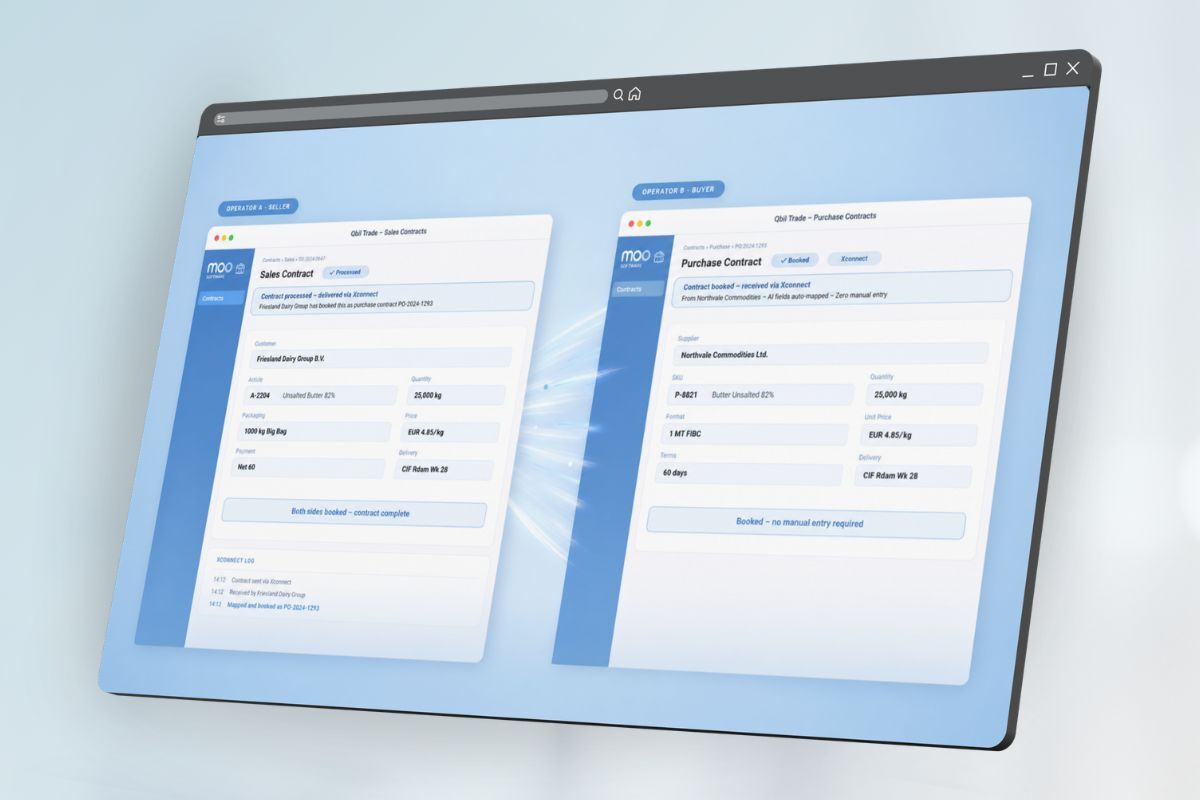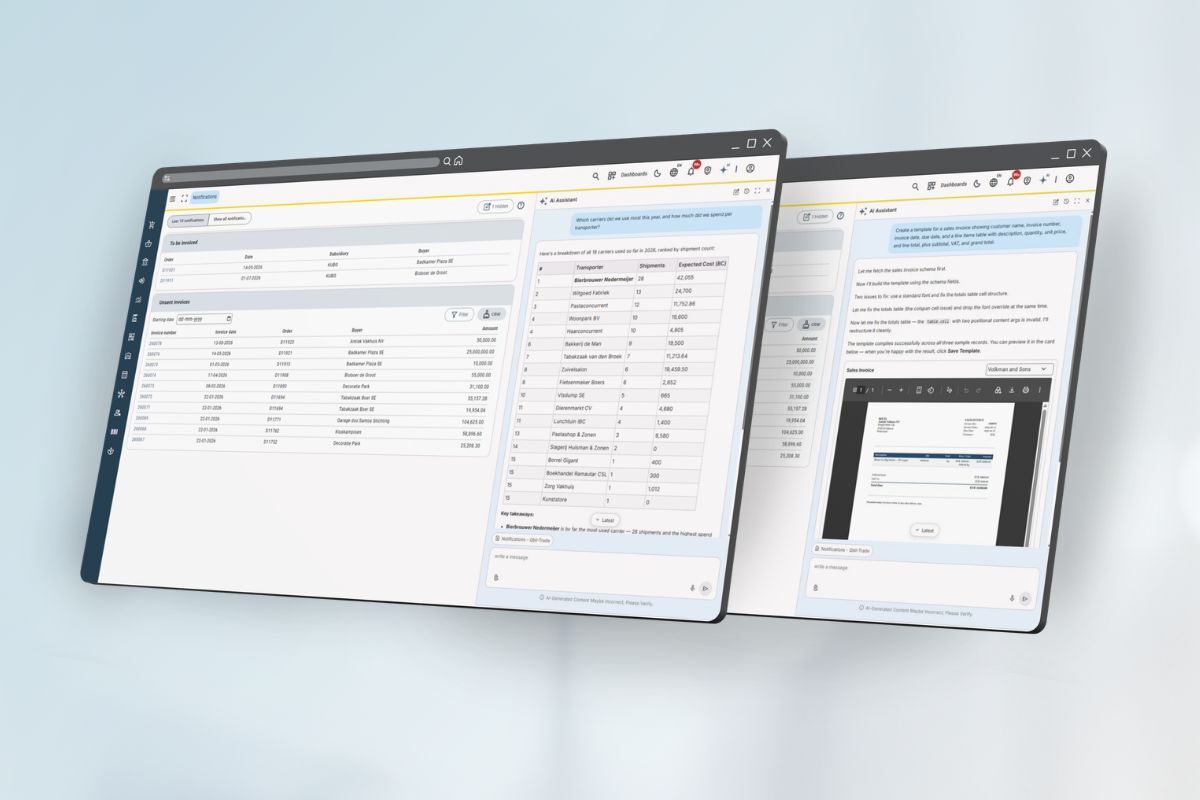







Traceability in dairy ingredient trading refers to the ability to track products from their origin through every stage of the supply chain to the final destination. It is essential for regulatory compliance, food safety assurance, and business risk management. Effective traceability systems protect both consumers and businesses while maintaining the integrity of global dairy ingredient supply chains.
What is traceability in dairy ingredient trading, and why is it essential?
Traceability in dairy ingredient trading is the systematic tracking of products from farm to final destination, documenting every step of the supply chain, including production, processing, storage, and distribution. This comprehensive record-keeping enables traders to quickly identify the source and movement of specific batches of ingredients such as milk powder, whey proteins, or lactose.
The importance of traceability extends far beyond simple record-keeping. Regulatory authorities worldwide require detailed documentation to ensure food safety standards are met throughout the supply chain. When dealing with dairy ingredients that cross international borders, traders must demonstrate compliance with multiple regulatory frameworks simultaneously.
From a business perspective, traceability is a critical risk-management tool. If contamination or quality issues arise, traders with robust traceability systems can quickly isolate affected products, minimise recalls, and protect their reputation. Without proper traceability, a single quality issue could potentially affect entire inventory holdings and damage long-standing trading relationships.
Consumer safety concerns have made traceability non-negotiable in today’s market. End users of dairy ingredients, particularly in the food manufacturing sector, increasingly demand complete visibility into their supply chains. This transparency helps them meet their own regulatory obligations and maintain consumer trust in their finished products.
Which food safety regulations do dairy ingredient traders need to comply with?
Dairy ingredient traders must navigate multiple regulatory frameworks, including the FDA Food Safety Modernization Act in the United States, comprehensive EU food safety regulations, HACCP requirements, and various international standards, depending on their trading territories. Each framework imposes specific documentation and traceability requirements that directly impact trading operations.
The FDA Food Safety Modernization Act requires detailed records for all food facilities, including those handling dairy ingredients. Traders must maintain documentation showing the source of ingredients, processing conditions, storage temperatures, and distribution records. The regulation emphasises preventive controls and requires traders to identify potential hazards in their supply chain.
EU food safety regulations are equally stringent, with the General Food Law requiring traceability “one step back and one step forward” in the supply chain. This means traders must know exactly where their ingredients came from and where they are going. The EU also enforces strict temperature-control requirements for dairy products and mandates specific labelling standards.
HACCP (Hazard Analysis and Critical Control Points) principles apply to dairy ingredient trading operations, requiring systematic identification of potential hazards and the establishment of critical control points. Traders must document monitoring procedures, corrective actions, and verification activities. International standards such as ISO 22000 provide additional frameworks for food safety management systems that many trading partners expect.
Modern dairy trading software can significantly simplify compliance by automatically capturing required documentation, maintaining audit trails, and generating regulatory reports. These systems ensure that all necessary information is readily available during inspections or audits.
How do you implement effective traceability systems for dairy ingredients?
Implementing effective traceability requires establishing systematic documentation processes, implementing robust data-collection methods, creating supplier-verification procedures, and integrating technology solutions that support batch tracking and lot-numbering systems. The key is to create processes that capture essential information without disrupting normal trading operations.
Documentation requirements form the foundation of any traceability system. Traders need to capture supplier certificates, quality test results, storage conditions, and shipping records for every batch. Each ingredient lot should have a unique identifier that links to all relevant documentation. This includes certificates of analysis, temperature-monitoring records, and any processing or handling information.
Supplier-verification procedures ensure that upstream partners maintain appropriate standards. This involves regular audits, certificate reviews, and ongoing communication about quality requirements. Traders should establish clear criteria for supplier approval and maintain current records of all certifications and compliance documentation.
Technology solutions can transform manual traceability processes into automated systems that reduce errors and save time. Modern systems can track batch movements, monitor expiration dates, and generate instant reports showing the complete history of any ingredient lot. Integration with existing trading operations ensures that traceability becomes part of the normal workflow rather than an additional burden.
Batch tracking and lot-numbering systems provide the technical framework for traceability. Each incoming shipment should receive a unique lot number that follows the product through all handling stages. When ingredients are blended or repackaged, new lot numbers maintain the connection to original source materials. This systematic approach enables rapid identification of affected products if issues arise.
What happens when traceability fails in the dairy ingredient supply chain?
Traceability failures can result in extensive product recalls, significant regulatory penalties, major business disruption, and lasting reputation damage. Poor traceability systems amplify problems by making it impossible to quickly isolate affected products, forcing traders to recall larger quantities and face more severe consequences than necessary.
Product recalls become exponentially more complex without proper traceability. Instead of recalling specific affected batches, traders may need to recall all products from certain time periods or suppliers. This dramatic increase in recall scope leads to much higher costs, greater customer disruption, and more extensive regulatory scrutiny. The inability to demonstrate control over the supply chain often results in extended investigations.
Regulatory penalties for traceability failures can be severe, particularly when they contribute to food safety incidents. Authorities may impose fines, suspend trading licences, or require extensive remedial actions before allowing operations to resume. The cost of regulatory compliance failures often far exceeds the investment required for proper traceability systems.
Business relationships suffer significantly when traceability problems affect customers. Food manufacturers depend on their ingredient suppliers to provide reliable traceability information for their own compliance requirements. Traders who cannot provide adequate documentation may find themselves excluded from future business opportunities as customers seek more reliable partners.
The financial impact extends beyond immediate recall costs to include lost sales, legal expenses, increased insurance premiums, and the substantial cost of rebuilding market reputation. Recovery from major traceability failures can take years and may permanently damage relationships with key trading partners.
Professional implementation support can help establish robust traceability systems that prevent these costly failures. Our implementation process ensures that traceability requirements are properly integrated into daily operations, typically setting up complete systems within two working days. If you are concerned about traceability compliance in your dairy ingredient trading operations, we would be happy to discuss how proper systems can protect your business—contact us to explore your specific requirements.
Frequently Asked Questions
How long should dairy ingredient traders retain traceability records?
Most regulatory frameworks require traceability records to be maintained for 2-3 years minimum, though some jurisdictions may require longer retention periods. It’s advisable to keep critical documentation such as certificates of analysis and batch records for at least 3 years, with digital storage systems making long-term retention more practical and cost-effective.
What specific information must be included in each batch record for dairy ingredients?
Essential batch record information includes supplier details, lot numbers, production dates, expiration dates, certificates of analysis, storage temperature records, and any processing or handling notes. Additionally, include shipping documentation, quality test results, and any customer-specific requirements or certifications that apply to that particular batch.
How can small dairy ingredient traders compete with larger companies that have advanced traceability systems?
Small traders can leverage cloud-based traceability software that provides enterprise-level capabilities without massive upfront investments. Focus on establishing strong relationships with certified suppliers, maintaining meticulous manual records initially, and gradually implementing technology solutions as your business grows. Many customers value the personal attention smaller traders provide alongside proper documentation.
What should I do if I discover a gap in my traceability records after a shipment has been delivered?
Immediately contact your supplier to obtain missing documentation and inform affected customers about the gap while working to resolve it. Document your remedial actions and implement additional verification steps to prevent similar issues. Transparency and quick action often minimize customer concerns and demonstrate your commitment to proper traceability practices.
How do I handle traceability when blending different lots of dairy ingredients?
Create a new master lot number for the blended product while maintaining detailed records linking back to all source lots. Document the exact quantities and proportions used from each original batch, along with blending dates, conditions, and any quality testing performed on the final blend. This approach ensures you can trace any issues back to specific source materials.
What are the most common traceability mistakes that lead to compliance failures?
The most frequent mistakes include incomplete supplier documentation, failing to maintain temperature records during storage and transport, using inconsistent lot numbering systems, and not updating records when products are repackaged or processed. Many traders also struggle with maintaining digital backups and ensuring all staff understand documentation requirements.
How can I verify that my suppliers have adequate traceability systems in place?
Conduct regular supplier audits focusing on their documentation practices, request sample batch records and certificates, and verify their ability to quickly trace products during mock recall exercises. Establish clear traceability requirements in supplier contracts and require certifications such as ISO 22000 or equivalent food safety management standards.