






Handelaren in zuivelingrediënten hebben te maken met constante prijsschommelingen die aanzienlijke gevolgen kunnen hebben voor de winstgevendheid. Succesvolle handelaren gebruiken een combinatie van risicobeheerstrategieën, tools voor marktmonitoring en flexibele contractstructuren om deze fluctuaties te beheersen. De sleutel ligt in het begrijpen van de marktdrijvers, het implementeren van beschermende maatregelen en het behouden van realtime inzicht in handelsposities om snel geïnformeerde beslissingen te nemen.
What causes price fluctuations in dairy ingredient markets?
Dairy ingredient prices fluctuate due to seasonal production patterns, weather conditions, global supply chain disruptions, and shifting demand from food manufacturers. Milk production naturally peaks in spring and drops during the winter months, creating predictable price cycles. Weather events such as droughts or floods can dramatically reduce milk output, while regulatory changes in major producing regions can affect global availability.
Global demand shifts play an equally important role in price volatility. When large food manufacturers change their ingredient specifications or increase production volumes, this creates sudden demand spikes that push prices higher. Economic conditions in key importing countries also influence purchasing patterns, particularly for premium ingredients such as whey protein or specialised milk powders.
Feed costs represent another critical factor, as they directly influence farmers’ production decisions. When grain prices rise, dairy farmers may reduce herd sizes or switch to lower-quality feed, affecting both milk volume and composition. Currency fluctuations add another layer of complexity, especially for traders operating across multiple countries, where exchange-rate movements can quickly erode profit margins.
How do successful traders protect themselves from sudden price changes?
Ervaren handelaren in zuivelingrediënten maken gebruik van diversification strategies, careful position management, and strategic contract timing to minimise exposure to adverse price movements. They spread risk across multiple product categories, supplier relationships, and geographic markets rather than concentrating on single ingredients or regions.
Position management forms the cornerstone of effective risk control. Traders maintain real-time visibility into their buy-sell positions, ensuring they understand exactly how much they have purchased versus sold at any given moment. This visibility becomes crucial when markets move rapidly, allowing traders to make quick decisions about whether to cover positions or wait for better pricing opportunities.
Hedging techniques provide additional protection against price volatility. Some traders use futures contracts or options to lock in prices for future deliveries, while others negotiate back-to-back contracts that automatically match purchase and sale prices. The key lies in balancing protection with profit opportunity, as over-hedging can limit upside potential during favourable market conditions.
What tools and strategies help traders track market movements effectively?
Effective market monitoring combines industry price reports, supplier relationship networks, and analytical tools that provide early warning signals about potential price movements. Professional traders rely on established industry publications that track spot prices, futures markets, and regional price differentials across key dairy ingredient categories.
Relationship networks often provide the most valuable market intelligence. Experienced traders maintain regular contact with suppliers, customers, and industry colleagues who share insights about production conditions, demand changes, and emerging market trends. These conversations frequently reveal market movements before they appear in formal reports.
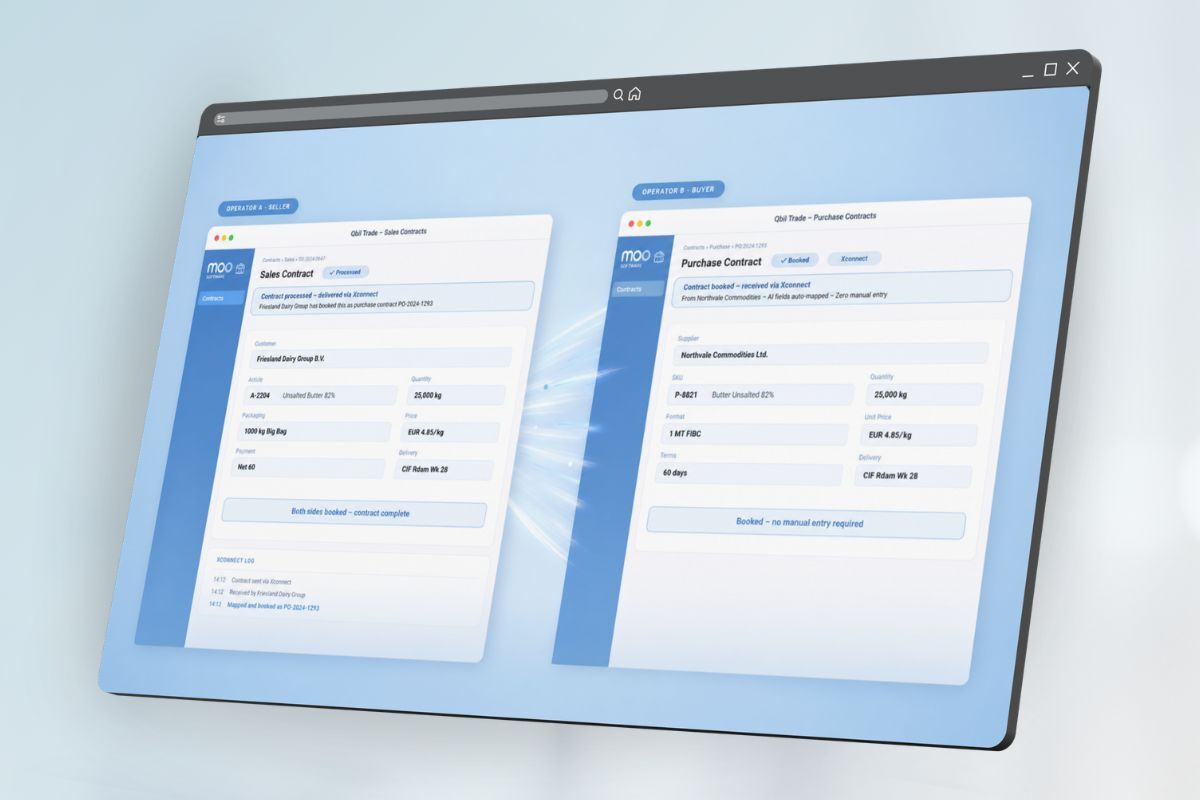
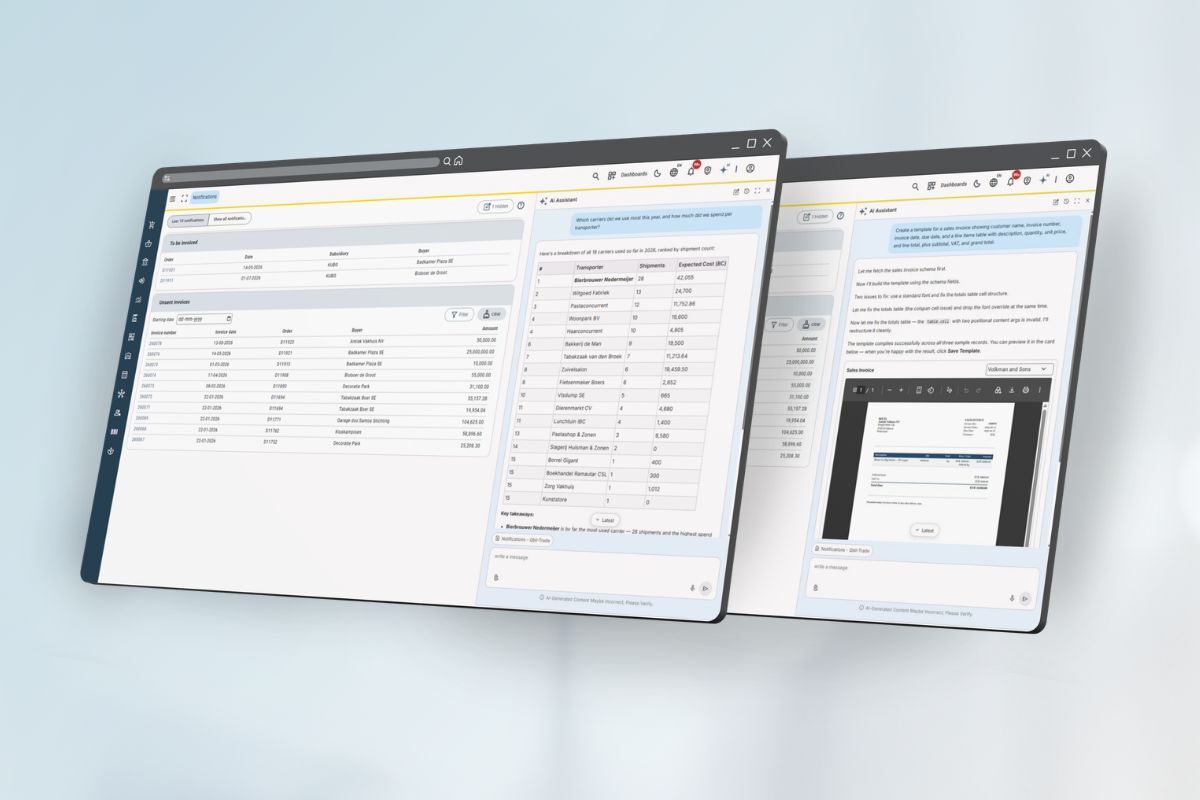
Moderne ERP-software voor de zuivelindustrie operations integrates market monitoring with position management, allowing traders to see how price movements affect their current positions in real time. This integration helps traders identify when their exposure levels become uncomfortable and need adjustment through additional purchases or sales.
Analytical approaches include tracking seasonal patterns, monitoring weather forecasts in key producing regions, and following economic indicators that influence demand. Smart traders also watch currency movements and political developments that might affect trade flows or regulatory conditions in important markets.
How do contract structures help manage price volatility risks?
Contract structures serve as the primary defence against price volatility through flexible pricing mechanisms, delivery terms, and risk-sharing arrangements between buyers and sellers. Fixed-price contracts provide complete price certainty but require careful timing to ensure competitive pricing.
Formula pricing offers a middle ground by linking contract prices to established market indices or reference points. These contracts might specify prices as a premium or discount to published market rates, allowing both parties to benefit from, or share, the impact of market movements while maintaining predictable margins.
Escalation clauses provide protection against extreme market movements by allowing price adjustments when markets move beyond predetermined ranges. These clauses typically include specific triggers and adjustment mechanisms that activate only during significant market disruptions, protecting both parties from unexpected losses.
Flexible delivery terms add another layer of risk management by allowing quantity adjustments or delivery timing changes when market conditions warrant. These provisions help traders manage inventory levels and cash flow during volatile periods while maintaining supply security for their customers.
Successfully managing price volatility in dairy ingredient markets requires a comprehensive approach that combines market knowledge, risk management tools, and flexible business relationships. Traders who invest in proper systems and maintain strong industry networks position themselves to navigate market turbulence while identifying profitable opportunities. For those looking to improve their market position management capabilities, exploring professional trading solutions can provide the real-time visibility and control needed for effective risk management.
Veelgestelde Vragen
How much capital should I set aside for hedging activities when starting dairy ingredient trading?
Most experienced traders recommend allocating 5-10% of your trading capital specifically for hedging activities, including margin requirements for futures contracts and option premiums. Start conservatively with 5% until you develop experience with hedging strategies, and ensure you have additional liquidity available for margin calls during volatile periods.
Wat zijn de meest voorkomende fouten die nieuwe handelaren in zuivelingrediënten maken bij het omgaan met prijsschommelingen?
The biggest mistakes include over-concentrating in single products or regions, failing to maintain real-time position visibility, and either over-hedging (limiting profit potential) or under-hedging (excessive risk exposure). Many new traders also rely too heavily on historical price patterns without considering current market fundamentals and fail to build strong supplier relationships for market intelligence.
How quickly can dairy ingredient prices change, and what triggers require immediate action?
Dairy prices can move 5-15% within hours during major market disruptions such as weather events, regulatory announcements, or supply chain breakdowns. Triggers requiring immediate attention include margin calls on hedged positions, significant moves in currency exchange rates affecting international contracts, and sudden changes in key supplier availability that could impact delivery commitments.
Which dairy ingredients are typically the most volatile, and should I avoid them as a beginner?
Whey protein and specialty milk powders tend to be the most volatile due to limited supplier bases and concentrated demand from specific industries. While you shouldn’t necessarily avoid them, start with more stable commodities like standard milk powders or cheese ingredients, then gradually expand into volatile products as you develop risk management experience and stronger market relationships.
How do I know when my hedging strategy is working effectively versus when I need to adjust it?
Effective hedging should reduce your overall portfolio volatility by 30-50% while still allowing reasonable profit margins during favorable market conditions. Monitor your profit consistency month-to-month rather than focusing on maximum gains. If you’re consistently missing profit opportunities or still experiencing significant losses during adverse moves, reassess your hedge ratios and timing strategies.
What's the best way to build reliable supplier relationships for market intelligence without compromising competitive advantage?
Focus on sharing general market observations and seasonal trends rather than specific pricing or volume information. Attend industry conferences, join dairy trading associations, and maintain regular communication schedules with suppliers even during slow periods. Offer value through market insights you’ve gathered from other regions or sectors, creating a mutually beneficial information exchange that builds long-term trust.
How should I adjust my risk management approach during historically volatile periods like seasonal transitions?
Increase your hedging ratios by 10-20% during seasonal transitions, reduce position sizes to maintain the same dollar risk exposure, and shorten contract terms to maintain flexibility. Monitor weather forecasts more closely during spring/fall transitions, increase communication frequency with suppliers, and consider building slightly higher inventory buffers to avoid forced buying during peak volatility periods.