






Effective position management in trading means continuously tracking your purchased versus sold quantities to maintain control over your financial exposure. Successful traders monitor their positions in real time to avoid overcommitment and protect profit margins. This requires understanding exactly what you’ve contracted to buy, what you’ve sold, and how market movements affect your bottom line. Without proper position management, even experienced traders can quickly find themselves facing unexpected losses.
What exactly is position management in commodity trading?
Position management in commodity trading is the systematic tracking of all your buying and selling commitments to understand your net exposure at any given moment. It involves monitoring quantities you’ve contracted to purchase against quantities you’ve sold, along with delivery dates, prices, and quality specifications.
Think of position management as maintaining a real-time balance sheet of your trading activities. When you buy 100 tonnes of milk powder at €3,500 per tonne for March delivery, you have a long position. If you then sell 60 tonnes at €3,600 per tonne for the same period, your net position is 40 tonnes long. This remaining exposure means you’re vulnerable to price movements on those 40 tonnes.
Effective position management goes beyond simple quantity tracking. It includes monitoring contract specifications, delivery obligations, quality requirements, and payment terms. Many dairy trading software solutions help traders maintain this overview by automatically calculating net positions and highlighting potential mismatches between purchase and sale contracts.
The complexity increases when dealing with multiple products, various delivery dates, and different quality grades. A trader might be long on whole milk powder but short on skimmed milk powder, creating a complex web of exposures that requires careful monitoring to avoid costly mistakes.
Why do traders lose money when they can’t track their positions properly?
Poor position tracking leads to financial losses because traders make decisions without understanding their true exposure. Overcommitment occurs when traders sell more than they can source, forcing expensive last-minute purchases. Mismatched contracts create quality or timing problems that result in penalties or lost deals.
The most common mistake is losing sight of net positions across multiple contracts. A trader might feel comfortable with individual deals but fail to recognise they’re heavily exposed in one direction. When prices move against them, the cumulative effect can be devastating. This often happens when using basic spreadsheets that don’t automatically update positions or highlight risks.
Timing mismatches represent another major risk. You might buy lactose for April delivery but sell it for March, creating a gap that requires expensive spot market purchases. Without proper tracking systems, these mismatches often go unnoticed until it’s too late to fix them economically.
Market volatility amplifies position management failures. When milk powder prices swing rapidly, traders with unclear positions can’t respond appropriately. They might hedge unnecessarily, creating additional costs, or fail to hedge when protection is needed. Real-time position visibility becomes crucial for making informed risk management decisions in volatile markets.
What are the essential tools needed for effective position management?
Essential position management tools range from basic spreadsheets to sophisticated trading systems, depending on your business complexity. At minimum, you need a system that tracks contract details, calculates net positions automatically, and highlights potential problems before they become costly mistakes.
Most traders start with Excel spreadsheets, which work adequately for small volumes and simple operations. However, spreadsheets become unreliable as trading activity grows. Manual data entry creates errors, formulas break when modified, and there’s no automatic alerting for position limits or contract mismatches.
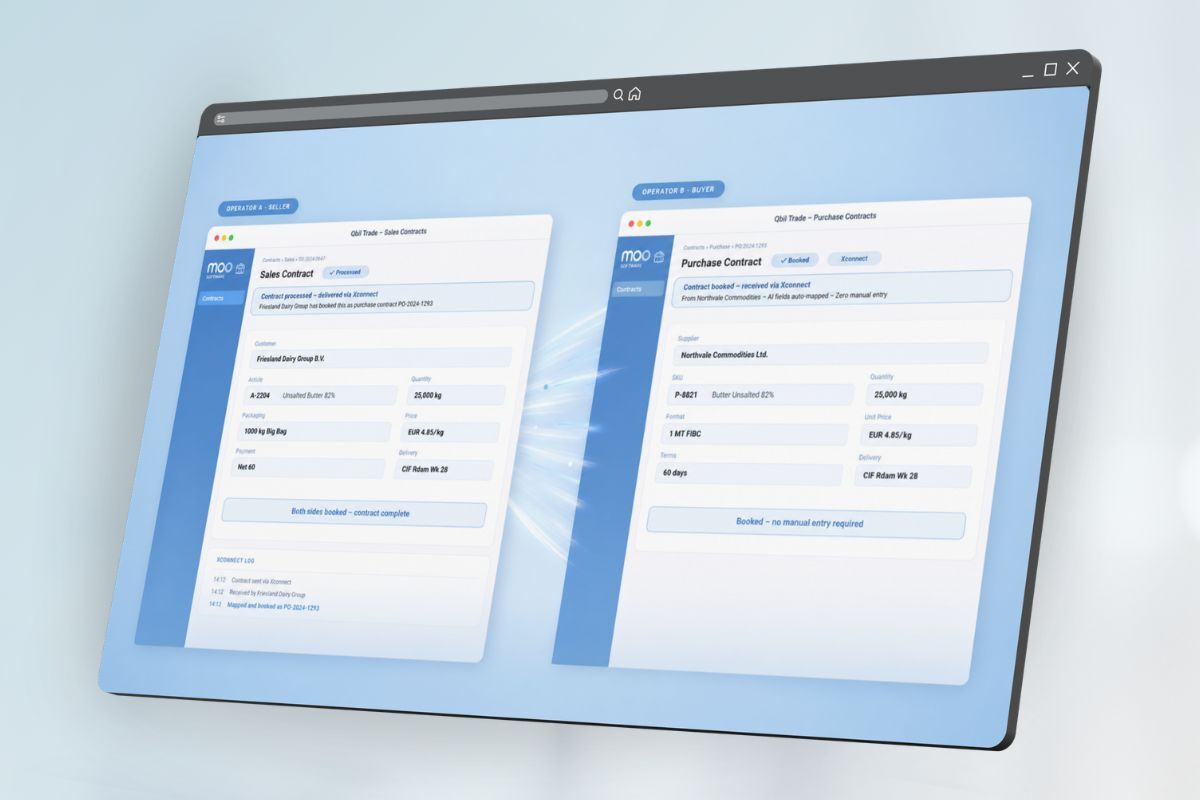
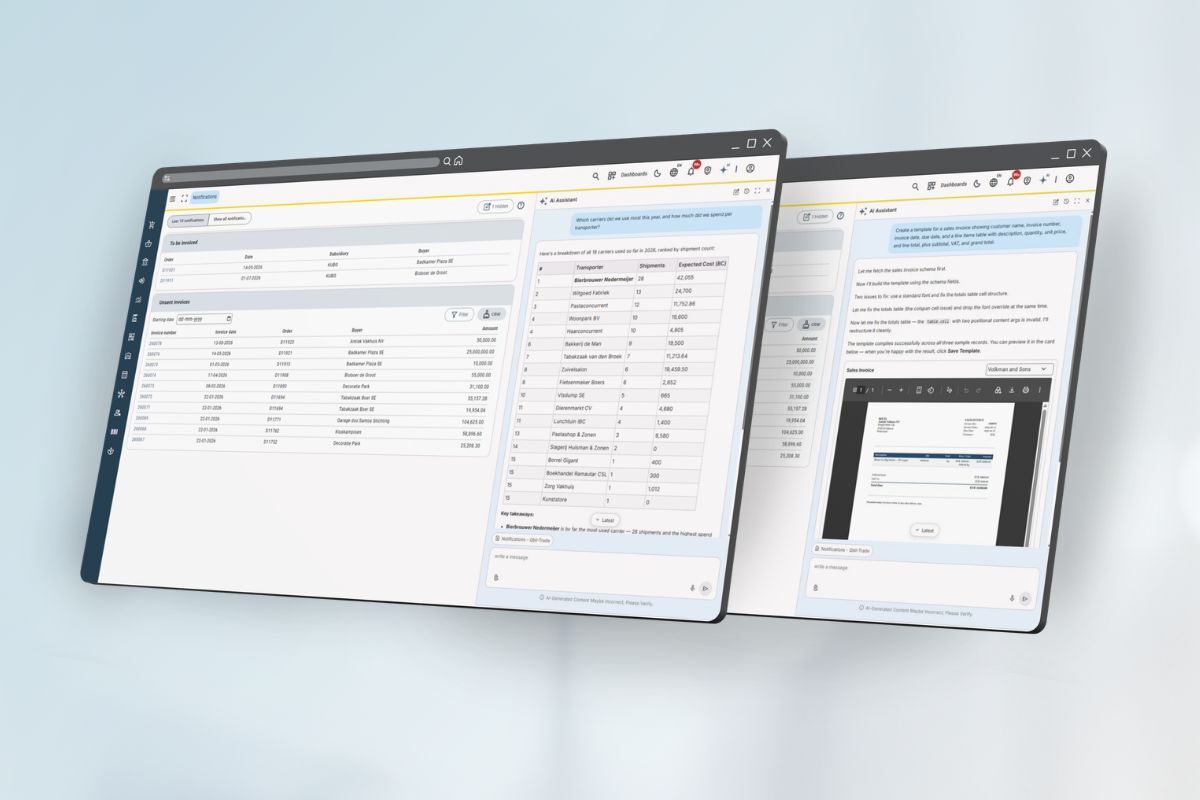
Specialised dairy trading software offers significant advantages over basic tools. These systems automatically calculate positions across multiple products and time frames, integrate with accounting systems, and provide real-time alerts for unusual exposures. They typically include features like contract matching, delivery scheduling, and automated reporting that save considerable time.
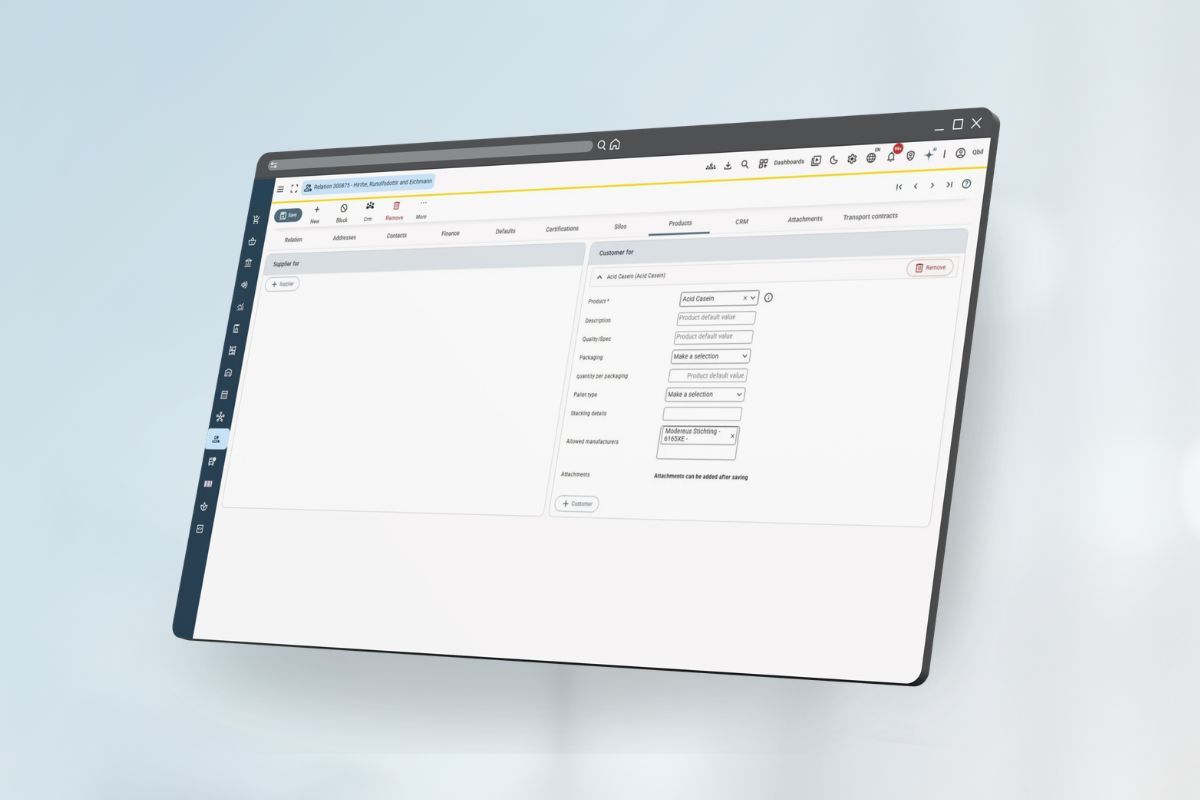
Key features to look for include automated position calculations, contract management capabilities, integration with existing systems, and customisable alerts. The system should handle your specific products and trading patterns while providing clear visibility into your overall exposure. Many modern solutions can be configured and operational within days rather than months.
How do successful traders monitor their positions in real-time?
Successful traders establish daily routines for position monitoring, typically starting each day by reviewing overnight changes and checking for new exposures. They use automated systems that update positions as new contracts are entered, providing instant visibility into their current situation without manual calculations.
Daily reconciliation processes help catch errors before they compound. This involves comparing system positions against actual contracts, verifying delivery schedules, and checking for any unusual exposures that might have developed. Many traders set specific times for these reviews, treating position monitoring as seriously as customer communications.
Automated alerts play a crucial role in real-time monitoring. Position management systems can be configured to warn when exposures exceed predetermined limits, when contract dates don’t align properly, or when unusual patterns emerge. These alerts allow traders to address problems immediately rather than discovering them during monthly reviews.
Integration with existing systems ensures position data stays current without additional manual work. When your trading system connects directly with your accounting software, positions update automatically as invoices are processed and payments are made. This integration eliminates the time-consuming reconciliation work that often leads to delayed problem discovery.
The most effective approach combines technology with disciplined processes. Even the best systems require consistent use and regular review to maintain accuracy. Successful traders understand that position management isn’t just about having the right tools—it’s about developing habits that ensure those tools are used effectively every day.
Managing trading positions effectively requires the right combination of tools, processes, and discipline. Whether you’re tracking simple milk powder transactions or complex multi-product portfolios, maintaining real-time visibility into your positions protects against costly mistakes and enables confident decision-making. If you’re ready to move beyond spreadsheets and implement professional position management capabilities, contact us to discuss how we can help streamline your trading operations.
Frequently Asked Questions
How often should I reconcile my positions, and what's the best time of day to do it?
Most successful traders reconcile positions at least once daily, typically first thing in the morning before markets open. This allows you to start each trading day with accurate position data and catch any overnight changes or errors. For high-volume operations, consider mid-day checks as well, especially during volatile market periods.
What position limits should I set for my dairy trading operation?
Position limits should be based on your capital capacity and risk tolerance, typically ranging from 10-30% of your available capital per product category. Start conservatively with lower limits and gradually increase as you gain experience. Also set time-based limits, such as maximum exposure beyond 90 days, to avoid getting locked into long-term positions.
How do I handle position management when trading multiple dairy products with different specifications?
Create separate position tracking for each product grade and specification, as they cannot be easily substituted. Use a systematic naming convention for contracts that includes product type, quality grade, and delivery period. Consider implementing a product hierarchy in your system that groups related products while maintaining distinct position tracking for each specification.
What should I do if I discover a significant position mismatch or error?
Act immediately to assess the financial impact and available options. Document the error thoroughly, then evaluate whether to close the position through offsetting trades, negotiate contract modifications, or accept the exposure if market conditions are favorable. Always inform relevant stakeholders and implement additional controls to prevent similar errors.
Can I use my existing ERP system for position management instead of specialized trading software?
While ERP systems can track basic contract information, they typically lack the real-time calculation capabilities and trading-specific features needed for effective position management. Most ERPs update positions only after invoice processing, creating dangerous delays. Consider integrating specialized trading software with your ERP for the best of both worlds.
How do I transition from spreadsheets to professional position management software without disrupting my business?
Start by running both systems in parallel for 2-4 weeks to ensure accuracy and build confidence. Import your existing contract data gradually, beginning with the most active positions. Train your team on the new system using historical data before switching to live trading. Most modern solutions offer migration support and can be operational within days.
What are the warning signs that my current position management approach isn't working?
Key warning signs include frequent reconciliation discrepancies, delayed discovery of contract mismatches, difficulty calculating net exposure quickly, and spending excessive time on manual position calculations. If you’re regularly surprised by your actual positions or can’t quickly answer questions about your exposure, it’s time to upgrade your approach.