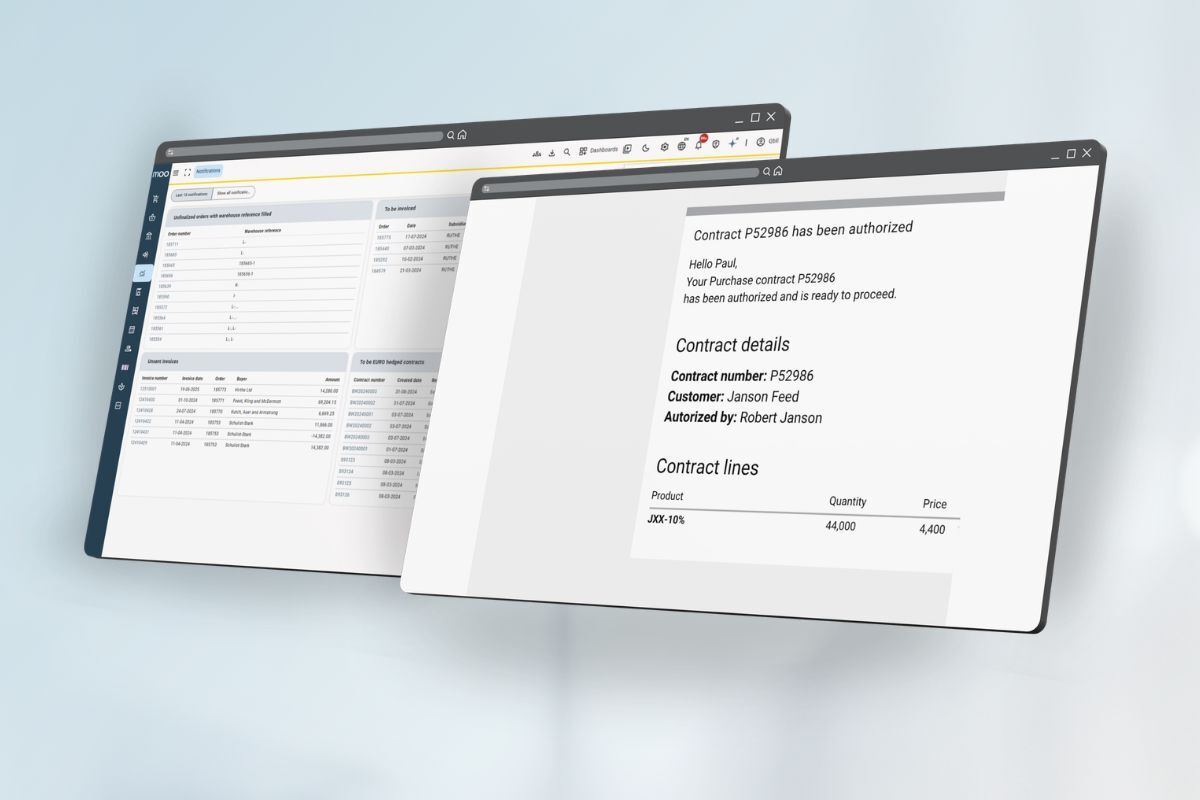

Ingredient commodity traders optimise their daily operations through strategic position management, real-time contract tracking, and specialised trading systems that provide clear visibility into buy-and-sell positions. Successful optimisation requires managing multiple stakeholder relationships, responding quickly to market volatility, and maintaining accurate oversight of complex supply chains while operating on thin margins.
What daily challenges do ingredient commodity traders face in their operations?
Ingredient commodity traders face complex operational challenges, including position management across multiple contracts, coordinating among numerous suppliers and buyers, tracking inventory levels in real time, and responding rapidly to market price fluctuations while maintaining profitable margins on bulk commodity transactions.
The most pressing challenge involves maintaining accurate position visibility when handling dozens of contracts simultaneously. Traders must know exactly how much they have purchased versus sold at any given moment, particularly when dealing with products like milk powder, lactose, or dairy proteins, where contracts often involve staged deliveries over several months.
Market volatility adds another layer of complexity. Dairy ingredient prices can shift significantly based on seasonal factors, global supply disruptions, or changes in demand from food manufacturers. Traders need systems that allow them to quickly assess their exposure and make informed decisions about hedging or adjusting their positions.
Communication management presents ongoing difficulties as well. Traders spend considerable time coordinating via phone, email, and messaging platforms with suppliers and customers who often switch roles depending on the transaction. This complex network requires careful relationship management and clear documentation of all agreements.
How do successful traders manage their positions and contracts efficiently?
Successful traders maintain efficient position and contract management through real-time tracking systems that provide instant visibility into their buy-and-sell positions, automated contract monitoring, and standardised processes for recording and updating transaction details across all trading activities.
The foundation of efficient position management lies in having immediate access to accurate data. Traders need to see their current exposure across different products, delivery dates, and counterparties without manually calculating figures from spreadsheets or separate systems. This visibility becomes crucial when making split-second decisions about new opportunities or risk management.
Contract lifecycle management requires systematic approaches to tracking deliveries, payments, and quality specifications. Successful traders establish clear workflows for updating contract status, managing partial deliveries, and ensuring all stakeholders have access to current information about shipment schedules and specifications.
Integration between trading activities and financial systems streamlines operations significantly. When transaction data flows automatically into accounting systems, traders reduce manual errors and free up time for relationship building and market analysis rather than administrative tasks.
What tools and systems help streamline ingredient trading workflows?
Specialised ERP software for the dairy industry streamlines trading workflows through integrated contract management, automated position tracking, real-time inventory visibility, and seamless connections to existing accounting systems, eliminating manual data entry while providing traders with comprehensive operational oversight.
Modern trading systems designed specifically for commodity markets offer features that generic business software cannot match. These include position management dashboards that show real-time profit-and-loss calculations, contract templates designed for ingredient trading specifications, and automated alerts for delivery dates and payment terms.
Integration capabilities are essential for workflow efficiency. The best systems connect with existing accounting software, automatically transferring transaction data and reducing the risk of errors that occur when information must be entered multiple times across different platforms.
Digital communication tools within trading platforms help manage the constant flow of information between traders, suppliers, and customers. Rather than relying solely on separate email chains and phone calls, integrated messaging systems keep all communication linked to specific contracts and transactions.
Cloud-based solutions offer particular advantages for trading operations, allowing team members to access current information from any location while ensuring data security and automatic backups of critical trading information.
Why do many traders struggle with Excel-based operations as they scale?
Excel-based trading operations become problematic as businesses scale because spreadsheets cannot support real-time collaboration, lack integrated position management across multiple contracts, create version control issues, and require significant manual updating that becomes error-prone and time-consuming as transaction volumes increase.
The tipping point typically occurs when traders handle more contracts than can be effectively managed in a single spreadsheet view. As transaction complexity increases with multiple delivery dates, varying specifications, and numerous counterparties, Excel’s limitations become apparent through frequent errors and time spent on manual updates rather than trading activities.
Version control presents persistent challenges when multiple team members need access to trading data. Different versions of spreadsheets often contain conflicting information, leading to confusion about current positions and potentially costly mistakes in new transactions.
Real-time visibility becomes impossible with Excel-based systems. When market conditions change rapidly, traders need immediate access to current positions and exposure calculations. Spreadsheets require manual updates and calculations that simply cannot keep pace with fast-moving commodity markets.
The lack of integration with other business systems creates additional inefficiencies. Data must be manually transferred between Excel files and accounting systems, increasing the likelihood of errors and consuming valuable time that could be spent on revenue-generating activities.
Risk management becomes increasingly difficult as operations grow. Excel cannot provide the automated alerts, position limits, and comprehensive reporting that traders need to manage risk effectively across expanding portfolios of ingredient commodity transactions.
Optimising ingredient trading operations requires moving beyond manual processes to embrace specialised systems designed for commodity trading workflows. The transition from Excel-based operations to dedicated trading software typically becomes essential when businesses reach the point where manual tracking consumes more time than actual trading activities. For traders ready to streamline their operations with purpose-built solutions, professional guidance can help identify the most effective approach for their specific trading requirements and business scale.
Frequently Asked Questions
How do I know when it's time to upgrade from Excel to a specialized trading system?
The key indicators include spending more than 30% of your day on manual data entry and position calculations, experiencing frequent errors due to version control issues, or finding it difficult to get real-time visibility into your positions when market conditions change rapidly. Most traders find the transition becomes essential when managing more than 20-30 active contracts simultaneously.
What's the typical implementation timeline for switching to a specialized trading platform?
Implementation typically takes 4-8 weeks depending on data migration complexity and team size. The process includes data migration from existing systems, staff training, and gradual rollout of features. Most businesses see immediate benefits in position visibility within the first week, with full operational efficiency gains realized within 2-3 months.
How can I maintain trading operations during the transition to a new system?
Run both systems in parallel during the transition period, starting with new contracts in the new system while maintaining existing contracts in Excel until completion. This approach minimizes disruption while allowing your team to become familiar with the new platform. Most traders find this parallel approach reduces risk and ensures continuity.
What are the most common mistakes traders make when selecting trading software?
The biggest mistake is choosing generic ERP software instead of commodity-specific solutions that understand trading workflows. Other common errors include underestimating integration requirements with existing accounting systems, failing to evaluate mobile access capabilities, and not considering the learning curve for team members who are comfortable with Excel.
How do specialized trading systems handle complex delivery schedules and partial shipments?
Modern trading platforms automatically track partial deliveries against contract quantities, send alerts for upcoming delivery dates, and maintain detailed logs of shipment status. They can handle staged deliveries over multiple months while updating position calculations in real-time as each partial delivery is recorded and confirmed.
What should I expect in terms of ROI after implementing a specialized trading system?
Most traders see ROI within 6-12 months through time savings, reduced errors, and improved decision-making capabilities. Typical benefits include 40-60% reduction in administrative time, elimination of position calculation errors, and the ability to handle 2-3x more contracts with the same team size. The improved market responsiveness often leads to better trading opportunities and margin improvements.
Can trading systems integrate with existing accounting software like QuickBooks or SAP?
Yes, most specialized trading platforms offer integration capabilities with popular accounting systems through APIs or direct connections. This integration automatically transfers transaction data, eliminates duplicate data entry, and ensures financial records stay synchronized with trading activities. The specific integration options vary by platform, so it's important to verify compatibility with your existing accounting system before selection.