
Dairy traders manage hundreds of contracts without mistakes by using systematic organisational methods, specialised trading software, and rigorous verification processes. The key lies in centralised contract databases, automated alerts for critical dates, real-time position tracking, and standardised workflows that minimise human error. Successful traders combine proven organisational systems with technology designed specifically for commodity trading environments.
What makes managing dairy contracts so challenging for traders?
Dairy contract management involves multiple variables, including fluctuating prices, complex delivery schedules, strict quality specifications, and interconnected buyer-supplier relationships in which today’s customer becomes tomorrow’s supplier. Each contract contains numerous moving parts that must align perfectly for successful execution.
The dairy ingredient market operates on razor-thin margins, making contract precision absolutely critical. A single oversight in delivery timing, quality specifications, or pricing terms can eliminate profit entirely. Traders typically handle contracts for products such as milk powder, lactose, butterfat, and whey protein, each with distinct storage requirements, shelf-life considerations, and quality parameters.
Price volatility adds another layer of complexity. Dairy commodity prices fluctuate based on seasonal production cycles, global supply disruptions, weather patterns, and changing demand from food manufacturers. Traders must track these market movements while managing existing contract obligations and identifying new opportunities.
The interconnected nature of dairy trading relationships creates additional challenges. The same company might be your supplier for milk powder while simultaneously being your customer for lactose. This web of relationships requires careful coordination to maintain positive business relationships while ensuring profitable transactions across all contract types.
How do successful dairy traders organise hundreds of active contracts?
Successful traders implement systematic categorisation methods, priority-based tracking systems, and structured workflows that ensure nothing falls through the cracks. They organise contracts by product type, delivery timeframes, and risk levels while maintaining clear oversight of their overall trading position.
Contract categorisation forms the foundation of effective management. Traders typically group contracts by product category (milk powder, cheese, butter), delivery urgency (immediate, within 30 days, future delivery), and contract status (pending approval, active, partially fulfilled). This structure allows quick identification of priorities and potential conflicts.
Priority systems help traders focus on the most critical contracts first. High-priority contracts typically include those with tight delivery windows, large volumes, or key customers. Many traders use colour-coding systems in which red indicates urgent action required, amber shows upcoming deadlines, and green represents contracts on track.
Documentation standards ensure consistency across all contract management activities. Successful traders maintain standardised formats for contract summaries, communication logs, and status updates. This consistency becomes crucial when multiple team members need to access contract information or when handling customer enquiries.
What role does specialised software play in contract management?
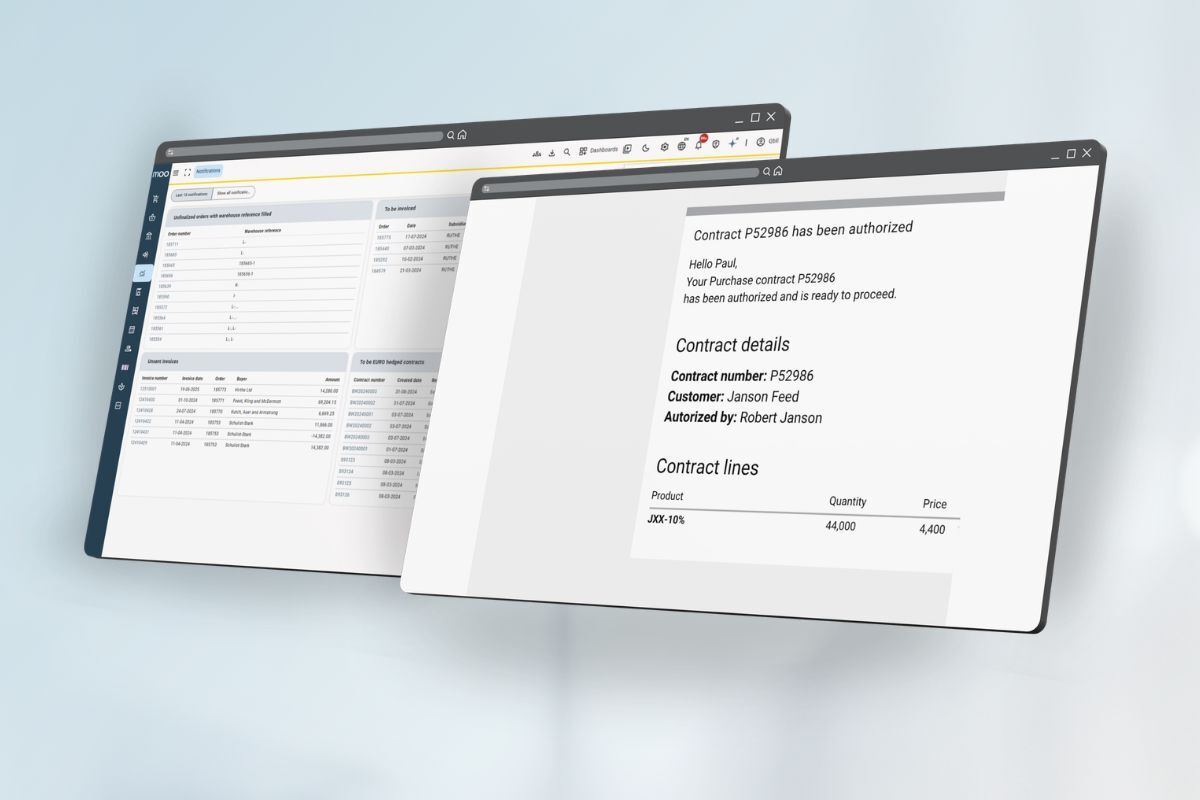
Specialised trading software centralises contract information, automates critical alerts, provides real-time position tracking, and integrates communication tools designed specifically for commodity trading workflows. This technology eliminates manual tracking errors and provides instant visibility across all trading activities.
Automated alert systems represent one of the most valuable software features. The system monitors contract deadlines, delivery schedules, payment terms, and quality specification requirements, sending notifications well before critical dates. This proactive approach prevents costly oversights and ensures timely contract execution.
Real-time position tracking gives traders instant visibility of their buy-versus-sell position across all products. This capability is essential for maintaining profitability in volatile markets. Traders can immediately see if they are oversold on milk powder or have excess inventory of lactose, enabling quick corrective action.
Integration capabilities connect trading software with existing accounting systems, logistics platforms, and communication tools. This connectivity eliminates duplicate data entry and ensures information consistency across all business systems. ERP software for the dairy industry specifically addresses these integration needs with solutions designed for ingredient traders.
Centralised databases store all contract information in one accessible location. Team members can instantly access contract terms, communication history, delivery schedules, and payment status without searching through email chains or paper files. This accessibility improves response times and reduces miscommunication.
How can dairy traders prevent costly contract mistakes?
Traders prevent mistakes through multi-step verification processes, automated validation checks, approval workflows, comprehensive documentation standards, and quality control measures that catch errors before they become expensive problems. The key is building redundancy into every critical process.
Verification processes involve multiple checkpoints before contract execution. Successful traders implement systems in which contract terms are reviewed by at least two people, pricing is validated against current market rates, and delivery logistics are confirmed with transport providers. This multi-layered approach catches errors that single-person reviews might miss.
Automated validation checks use software to identify potential problems before they occur. These systems flag contracts with unrealistic delivery dates, pricing outside normal ranges, or quality specifications that do not match product capabilities. The software acts as a safety net, highlighting issues that require human attention.
Approval workflows ensure contracts follow proper authorisation procedures. Different contract values or risk levels require different approval levels, preventing unauthorised commitments that could expose the business to excessive risk. These workflows also create audit trails showing who approved which decisions.
Quality control measures extend beyond contract creation to ongoing monitoring and execution. Regular contract reviews ensure all parties remain aligned on expectations, delivery schedules stay on track, and any changes are properly documented and communicated to all stakeholders.
The combination of systematic organisation, appropriate technology, and rigorous processes enables dairy traders to manage complex contract portfolios without costly mistakes. Success requires commitment to these systems and regular refinement based on experience and changing market conditions. For traders ready to implement professional contract management systems, exploring specialised solutions designed specifically for dairy ingredient trading can provide the foundation for scalable, error-free operations.
Frequently Asked Questions
How long does it typically take to implement a new contract management system for dairy trading?
Implementation typically takes 4-8 weeks depending on the complexity of your existing operations and data migration requirements. Most traders see immediate improvements in organisation within the first two weeks, with full system benefits realised once all historical contracts are properly entered and team training is complete.
What should I do if I discover a contract error after it's already been executed?
Contact all affected parties immediately and document the error thoroughly. Most dairy trading relationships can accommodate minor corrections through amendments or adjustments in future contracts. The key is transparent communication and proposing fair solutions that maintain long-term business relationships while minimising financial impact.
How can small dairy trading operations compete with larger companies that have sophisticated contract management systems?
Focus on implementing cost-effective cloud-based solutions that provide enterprise-level functionality without the overhead. Many specialised dairy trading platforms offer scalable pricing models, allowing smaller operations to access the same automation and tracking capabilities as larger competitors while maintaining competitive operational costs.
What are the most common contract management mistakes that new dairy traders make?
New traders often underestimate the importance of delivery logistics coordination, fail to track seasonal price patterns when setting contract terms, and neglect to maintain detailed communication logs. Additionally, many new traders don't establish proper backup procedures for critical contract data, leaving them vulnerable to system failures or staff changes.
How do I handle contracts when market prices move significantly against my position?
Maintain regular communication with counterparties about market conditions and explore options like partial delivery adjustments, price renegotiation for future contracts, or offsetting positions in related products. Having predetermined risk management protocols and maintaining strong relationships with trading partners provides more flexibility during volatile market periods.
What backup systems should be in place if my primary contract management software fails?
Maintain daily automated backups of all contract data, keep critical contract information in accessible cloud storage, and ensure at least two team members can access emergency contact lists for all active counterparties. Establish clear manual procedures for tracking urgent deliveries and payments during system downtime, and test these backup procedures regularly.
How can I measure whether my contract management system is actually improving my trading performance?
Track key metrics including contract error rates, on-time delivery percentages, response times to customer inquiries, and profit margins per contract type. Compare these metrics before and after system implementation, and monitor trends quarterly. Most successful traders see measurable improvements in error reduction and operational efficiency within 90 days of proper system implementation.