






Future-proofing your dairy ingredient trading business means building technological, operational, and strategic resilience that adapts to market changes and supports sustainable growth. This involves implementing scalable systems, developing flexible processes, and maintaining competitive advantages as industry complexity increases. The key questions below address the essential components of creating a trading operation that thrives regardless of market volatility or technological advancement.
What does it mean to future-proof a dairy ingredient trading business?
Future-proofing a dairy ingredient trading business means creating sustainable operations that adapt to technological advances, market volatility, and regulatory changes while maintaining profitability and a competitive advantage. It encompasses building scalable systems, developing flexible processes, and establishing operational resilience that supports growth without compromising efficiency or control.
The core components of future-proofing involve three critical areas. Technological adaptation ensures your systems can handle increased trading volumes and complexity while providing real-time visibility into positions, contracts, and inventory levels. Market resilience builds your ability to respond quickly to price fluctuations, supply chain disruptions, and changing customer demands without losing operational control.
Operational scalability creates the foundation for sustainable growth. This means establishing processes that work efficiently whether you’re handling ten contracts or ten thousand, managing relationships with suppliers and customers across multiple time zones, and maintaining accurate financial oversight as transaction volumes increase. Future-proofed businesses can expand their operations, enter new markets, and adapt to industry changes without rebuilding their entire operational framework.
The dairy ingredient trading landscape continues to evolve, with increased regulatory requirements, more sophisticated customer demands, and greater expectations for market transparency. Companies that future-proof their operations position themselves to capitalise on these changes rather than struggle to keep pace with industry developments.
Why are traditional trading methods becoming obsolete in dairy ingredient markets?
Traditional Excel-based systems and manual processes create significant limitations as dairy ingredient trading volumes grow, leading to reduced visibility, increased errors, and an inability to respond quickly to market opportunities. These methods struggle with the complexity of modern commodity trading, where real-time position tracking and automated contract management become essential for maintaining profitability.
Excel spreadsheets work effectively for smaller operations but become problematic as businesses expand. Manual data entry increases the risk of errors, particularly when managing multiple contracts with varying delivery schedules, pricing structures, and quality specifications. Real-time position tracking becomes impossible when information is spread across multiple disconnected files, making it difficult to understand your actual exposure or available inventory at any given moment.
Market complexity has increased substantially, with more sophisticated pricing mechanisms, quality requirements, and regulatory compliance demands. Modern dairy ingredient trading often involves complex arrangements such as blending operations, repackaging services, and multi-stage delivery schedules that traditional methods cannot manage efficiently.
The speed of modern commodity markets requires immediate access to accurate information. When opportunities arise or market conditions change rapidly, traders using manual systems cannot respond quickly enough to capitalise on favourable conditions or protect against adverse movements. This creates competitive disadvantages that compound over time.
Regulatory requirements continue to expand, demanding better documentation, traceability, and reporting capabilities. Manual systems struggle to provide the detailed audit trails and comprehensive reporting that modern compliance environments require, creating potential legal and financial risks for growing businesses.
What technology trends are reshaping dairy ingredient trading?
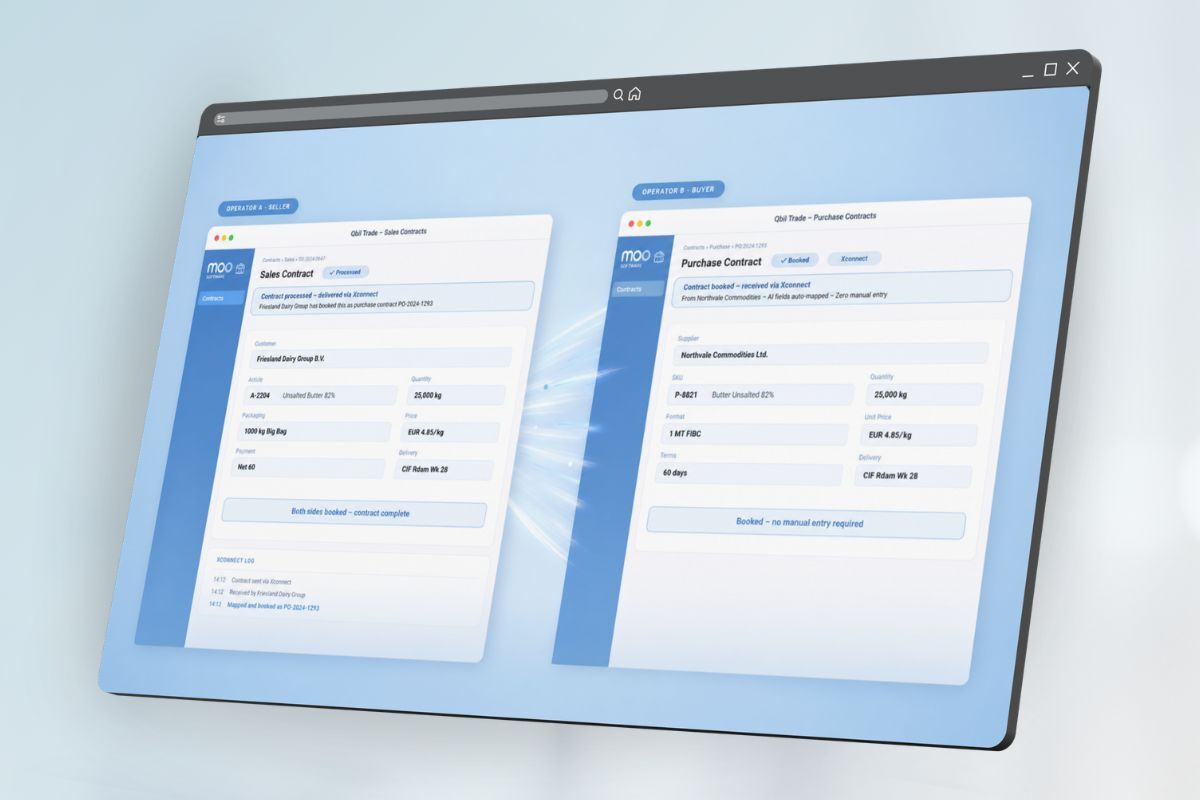
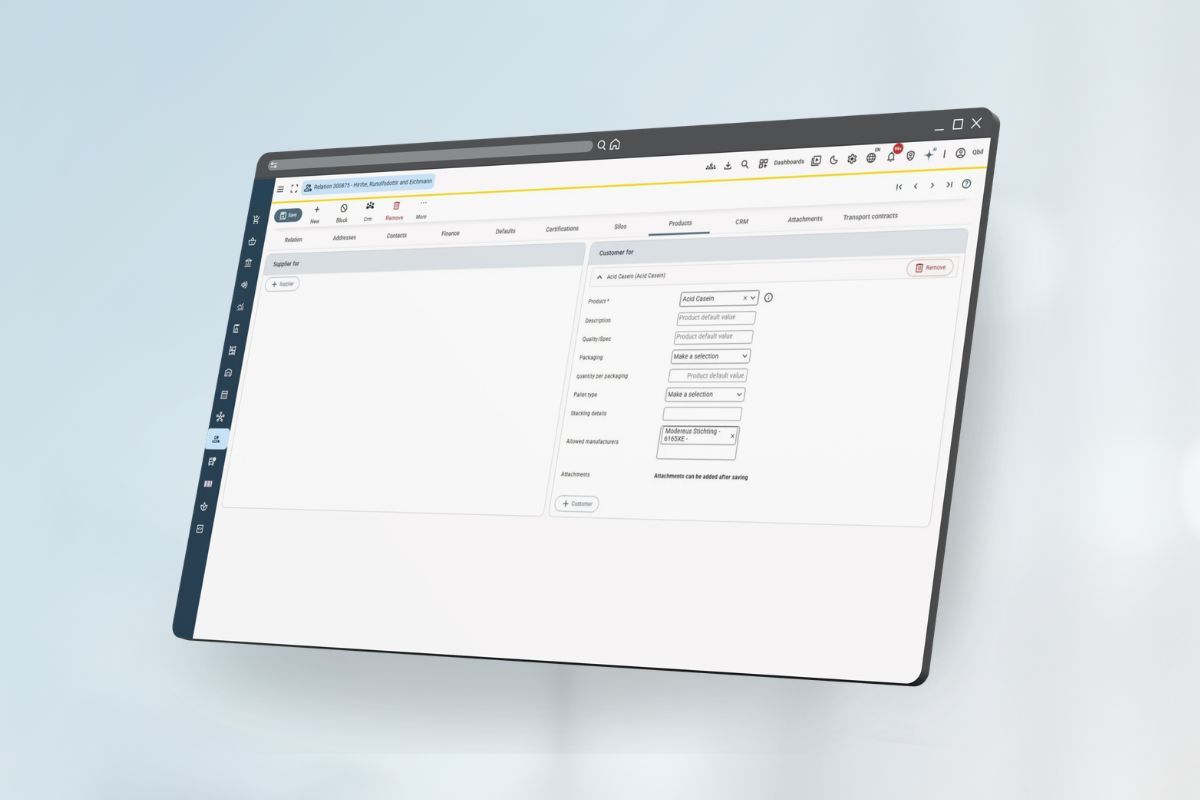
Digital transformation in dairy ingredient trading centres on ERP software for the dairy industry that provides integrated contract management, real-time position tracking, and automated transaction processing. These systems replace fragmented manual processes with connected workflows that improve accuracy, reduce administrative overhead, and provide comprehensive business visibility.
Specialised trading software designed specifically for commodity markets offers functionality that generic business systems cannot match. This includes sophisticated contract management that handles complex pricing formulas, delivery schedules, and quality specifications common in dairy ingredient trading. Real-time position tracking provides immediate visibility into your buying and selling positions, helping maintain the tight margin control essential for profitable operations.
Integration capabilities allow trading systems to connect with existing accounting software, eliminating duplicate data entry and ensuring financial records remain accurate and current. This connectivity extends to customer and supplier systems, enabling automated order processing and improved communication throughout the supply chain.
Cloud-based solutions provide accessibility and scalability that traditional on-premise systems cannot offer. Traders can access critical information from anywhere, collaborate effectively with international partners, and scale their technology infrastructure as business volumes grow without significant capital investment.
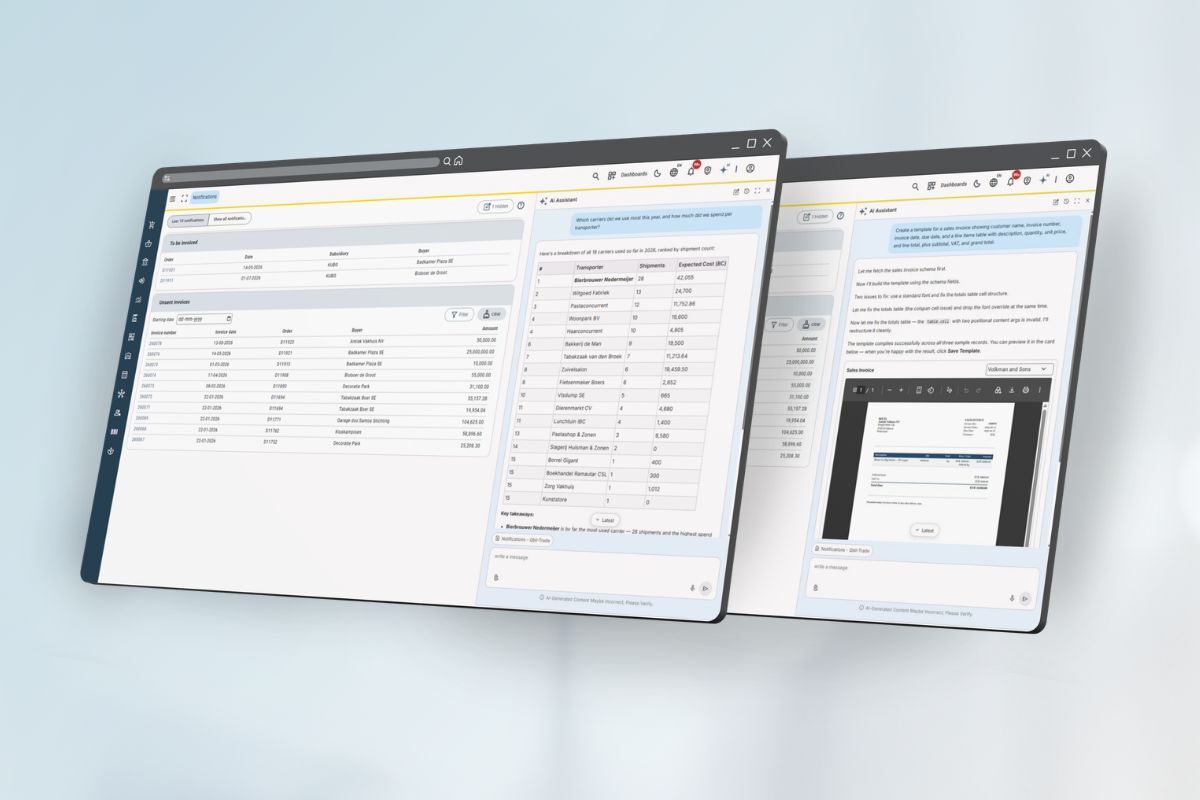
Automation features handle routine tasks such as invoice generation, contract renewals, and compliance reporting, freeing traders to focus on relationship building and strategic decision-making. These capabilities become increasingly valuable as transaction volumes grow and manual processing becomes impractical.
How do you choose the right trading software for dairy ingredients?
Choosing the right trading software requires evaluating industry-specific functionality, scalability potential, implementation timelines, and cost structures that align with your business size and growth plans. Prioritise systems designed specifically for commodity trading rather than generic ERP solutions that lack essential features for managing complex contracts and position tracking.
Key features to prioritise include comprehensive contract management that handles the pricing formulas, delivery schedules, and quality specifications common in dairy ingredient trading. Real-time position tracking provides essential visibility into your buying and selling positions, helping maintain the margin control crucial for profitability. Integration capabilities with existing accounting systems eliminate duplicate data entry and ensure financial accuracy.
Scalability considerations become critical as your business grows. Evaluate whether the software can handle increased transaction volumes, additional users, and expanded functionality without requiring a complete system replacement. Flexible pricing structures that scale with usage allow you to start with essential features and expand capabilities as your business develops.
Implementation timelines vary significantly between solutions. Look for systems that can be operational within days rather than months, allowing you to realise benefits quickly without extended disruption to your operations. Comprehensive implementation support ensures a smooth transition from existing systems and proper user training.
Cost structures should align with your business model and growth trajectory. Consider total ownership costs, including implementation, training, ongoing support, and future expansion, rather than just initial licensing fees. Solutions with transparent pricing and flexible payment options provide better financial predictability for growing businesses.
What operational changes prepare dairy traders for long-term success?
Successful operational changes extend beyond technology implementation to include process standardisation, team development, supplier relationship management, and building flexibility into daily operations. These improvements create sustainable competitive advantages that support long-term growth and market adaptation.
Process standardisation ensures consistent quality and efficiency as your team grows and transaction volumes increase. Document key procedures for contract negotiation, quality assessment, logistics coordination, and financial reconciliation. This creates operational continuity that doesn’t depend on individual knowledge and enables effective training for new team members.
Team training investments pay dividends through improved efficiency and reduced errors. Ensure your staff understands both the technical aspects of your systems and the strategic elements of commodity trading. Cross-training team members in multiple functions creates operational flexibility and reduces dependency on key individuals.
Supplier relationship management becomes increasingly important as markets become more complex and competitive. Develop systematic approaches for evaluating new suppliers, maintaining existing relationships, and managing performance across your supply network. Strong relationships provide advantages during market disruptions and access to better opportunities.
Building flexibility into your operations allows rapid adaptation to market changes and growth opportunities. This includes maintaining diverse supplier and customer bases, developing capabilities in complementary products or services, and creating operational capacity that can expand or contract based on market conditions.
Financial management practices must evolve with business growth. Implement robust systems for tracking profitability by product, customer, and transaction type. Regular financial analysis helps identify the most profitable aspects of your business and guides strategic decision-making for future development.
Future-proofing your dairy ingredient trading business requires combining the right technology with operational excellence and strategic thinking. Companies that invest in scalable systems, develop strong processes, and maintain flexibility in their operations will be best positioned to capitalise on future opportunities in the evolving dairy ingredients market. Contact us to discuss how specialised trading software can support your business growth and operational efficiency.
Frequently Asked Questions
How long does it typically take to implement new trading software and see results?
Most modern commodity trading systems can be operational within 1-2 weeks, with full team proficiency achieved in 4-6 weeks. You’ll typically see immediate improvements in data accuracy and position visibility, while efficiency gains and error reduction become more apparent after 30-60 days of consistent use. The key is choosing software designed for quick deployment rather than complex ERP systems that require months of customization.
What are the most common mistakes businesses make when trying to future-proof their operations?
The biggest mistake is choosing generic business software instead of industry-specific trading solutions, which leads to workarounds and limitations. Other common errors include underestimating training requirements, failing to standardize processes before implementing new technology, and focusing solely on cost rather than scalability and functionality. Many businesses also delay the transition too long, making the eventual change more disruptive.
How do you maintain competitive pricing while investing in new technology and processes?
Technology investments typically pay for themselves within 6-12 months through reduced errors, faster processing, and improved margin control. The efficiency gains from automated contract management and real-time position tracking often save 10-15 hours per week in administrative tasks, allowing your team to focus on revenue-generating activities. Better visibility into positions and costs also helps identify more profitable opportunities and avoid costly mistakes.
What should smaller dairy trading businesses prioritize first when beginning to future-proof?
Start with implementing proper contract management and position tracking systems, as these provide the foundation for all other improvements. Focus on solutions that can grow with your business rather than entry-level tools you’ll quickly outgrow. Standardizing your key processes and ensuring proper data backup and security should be immediate priorities, followed by team training on new systems and procedures.
How do you evaluate whether your current systems are holding back business growth?
Key warning signs include spending more than 20% of your time on administrative tasks, difficulty providing quick responses to customer inquiries, frequent errors in contract details or invoicing, and inability to handle increased transaction volumes without adding staff. If you can’t easily access real-time position information or struggle to generate accurate reports for decision-making, your systems are likely limiting growth potential.
What integration challenges should businesses expect when implementing new trading software?
Most modern trading systems integrate smoothly with popular accounting software like QuickBooks or Xero through automated data synchronization. The main challenges typically involve data migration from Excel spreadsheets and ensuring team members understand new workflows. Choose software providers that offer comprehensive implementation support and data migration assistance to minimize disruption during the transition period.
How do you ensure your team adapts successfully to new technology and processes?
Success depends on involving key team members in the software selection process and providing comprehensive training before go-live. Start with a pilot period using real data but parallel to existing systems, allowing staff to build confidence gradually. Establish clear procedures for the new workflows and designate internal champions who can provide ongoing support and troubleshoot issues as they arise.