






The abolition of EU dairy quotas in 2015 fundamentally transformed ingredient trading by removing production limits that had controlled milk supply for more than 30 years. This change increased market volatility, expanded trading opportunities, and created new challenges that require more sophisticated risk management and real-time market intelligence systems.
What were EU dairy quotas, and why did they matter for ingredient traders?
EU dairy quotas were production limits established in 1984 to prevent milk overproduction and stabilise prices across European markets. Each member country received specific production allocations that farmers could not exceed without facing substantial penalties.
These quotas created predictable market structures that ingredient traders relied on for decades. Supply volumes remained relatively stable, making it easier to forecast the availability of key dairy ingredients such as milk powder, whey protein, and lactose. Traders could build long-term relationships with suppliers, knowing that production capacity was legally capped.
The quota system also meant that ingredient prices followed more predictable patterns. When demand exceeded the limited supply, prices rose steadily rather than experiencing dramatic spikes. This stability allowed traders to operate with smaller margins while maintaining profitable positions over extended periods.
For ingredient traders specialising in dairy commodities, quotas provided a foundation for contract planning and inventory management. Many trading businesses built their entire operating models around these controlled supply chains, developing expertise in navigating the regulated market environment.
How did the 2015 quota abolition immediately change dairy ingredient markets?
The immediate removal of production limits led to increased milk volumes across Europe, creating surplus supply that dramatically affected ingredient pricing and trading patterns. Markets experienced heightened volatility as traditional supply-and-demand relationships shifted rapidly.
Milk production increased substantially in countries such as Ireland, the Netherlands, and Denmark, where farmers had been constrained by quota limitations. This surge created an oversupply of raw materials, driving down prices for basic dairy ingredients, including milk powder and whey products.
Trading patterns shifted as new suppliers entered markets previously dominated by quota holders. Ingredient traders suddenly faced increased competition from producers who could now scale operations without regulatory restrictions. Traditional supply relationships became less reliable as farmers pursued higher-paying customers.
Price volatility became a defining characteristic of post-quota markets. Ingredients that had maintained steady pricing for years began experiencing significant fluctuations based on seasonal production cycles, weather conditions, and shifts in global demand. This volatility required traders to adapt their pricing strategies and contract terms quickly.
The changes also affected different ingredients unequally. While basic milk powder prices declined due to oversupply, specialised proteins and functional ingredients maintained better pricing stability due to their technical specifications and limited production capacity.
What new challenges do ingredient traders face in the post-quota era?
Modern ingredient traders must navigate increased market volatility, which requires more sophisticated risk management strategies and real-time market intelligence to maintain profitable positions in rapidly changing conditions.
Demand forecasting has become significantly more complex without the predictable supply constraints that quotas provided. Traders can no longer rely on historical patterns to predict ingredient availability, forcing them to develop more dynamic forecasting models that account for weather, global demand, and changes in production capacity.
Risk management now requires constant attention to multiple variables simultaneously. Traders must monitor not only traditional factors such as seasonal demand but also production decisions by individual farms, currency fluctuations, and competing uses for dairy ingredients across different industries.
The need for real-time market intelligence has intensified as opportunities and risks emerge more quickly. Successful traders must track production levels, inventory positions, and pricing trends across multiple regions to identify profitable trading opportunities before competitors do.
Contract management has become more challenging as both suppliers and customers demand greater flexibility in quantities and delivery schedules. Traditional long-term agreements have given way to more complex arrangements that require careful monitoring and adjustment throughout their duration.
Many traders find themselves managing larger volumes with smaller margins, requiring more precise control over their positions and operating costs. The increased complexity demands better systems for tracking contracts, inventory levels, and financial exposure across multiple trading relationships.
How has technology become essential for modern dairy ingredient trading?
Dairy trading software has become crucial for managing the complexity of post-quota markets, providing real-time position management, automated contract tracking, and integrated supply chain visibility that manual systems cannot deliver effectively.
Real-time position management allows traders to monitor their exposure across multiple contracts simultaneously. Modern trading systems provide instant visibility into how much has been purchased versus sold, helping traders identify risks and opportunities as market conditions change throughout the day.
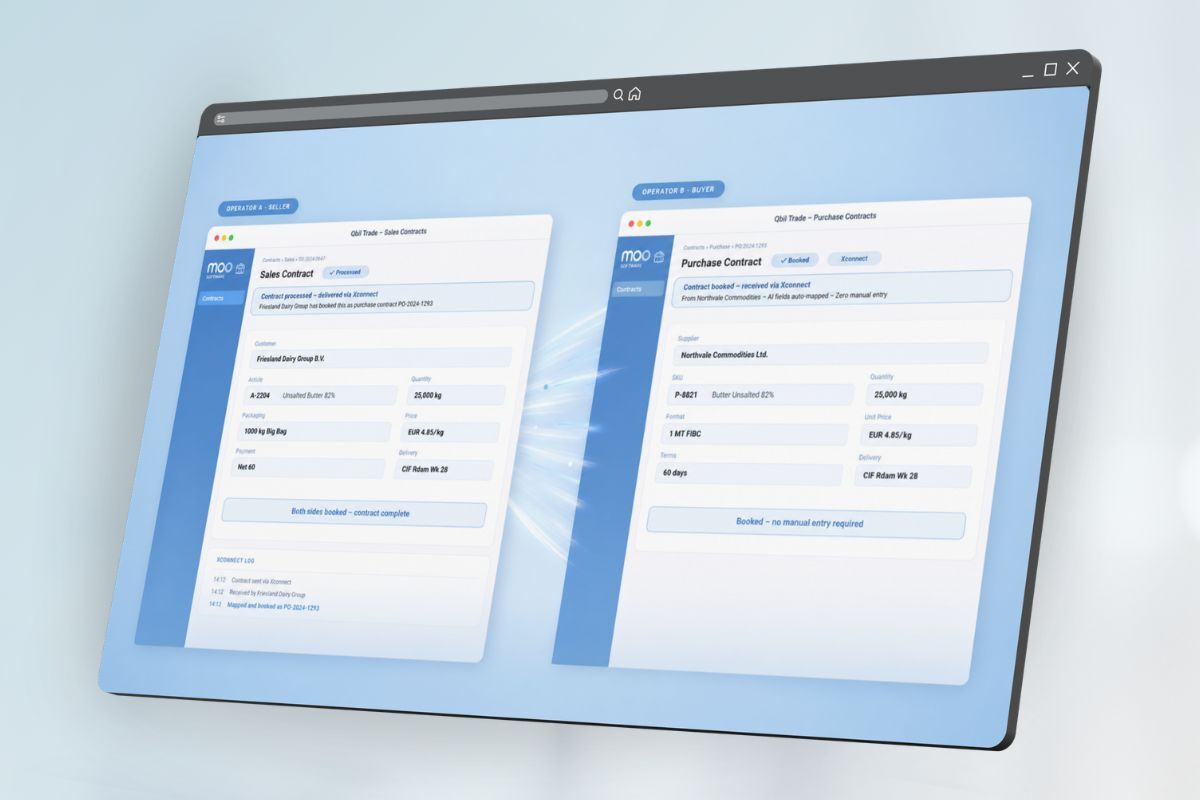
Automated contract tracking eliminates the manual effort required to monitor dozens of agreements with different delivery schedules, quality specifications, and pricing terms. Dairy trading software ensures that nothing falls through the cracks while providing alerts when action is required.
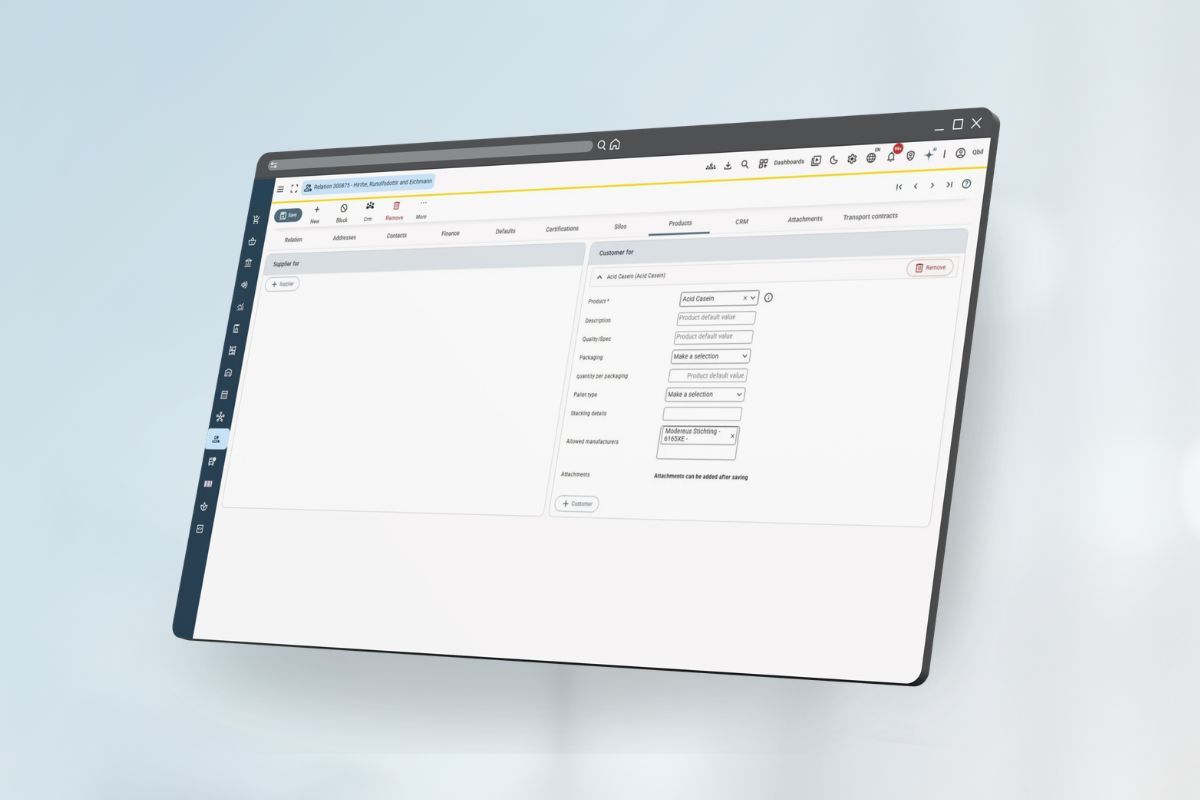
Integrated supply chain visibility connects trading positions with logistics planning, inventory management, and financial reporting. This integration prevents the disconnected information that can lead to costly mistakes in fast-moving markets.
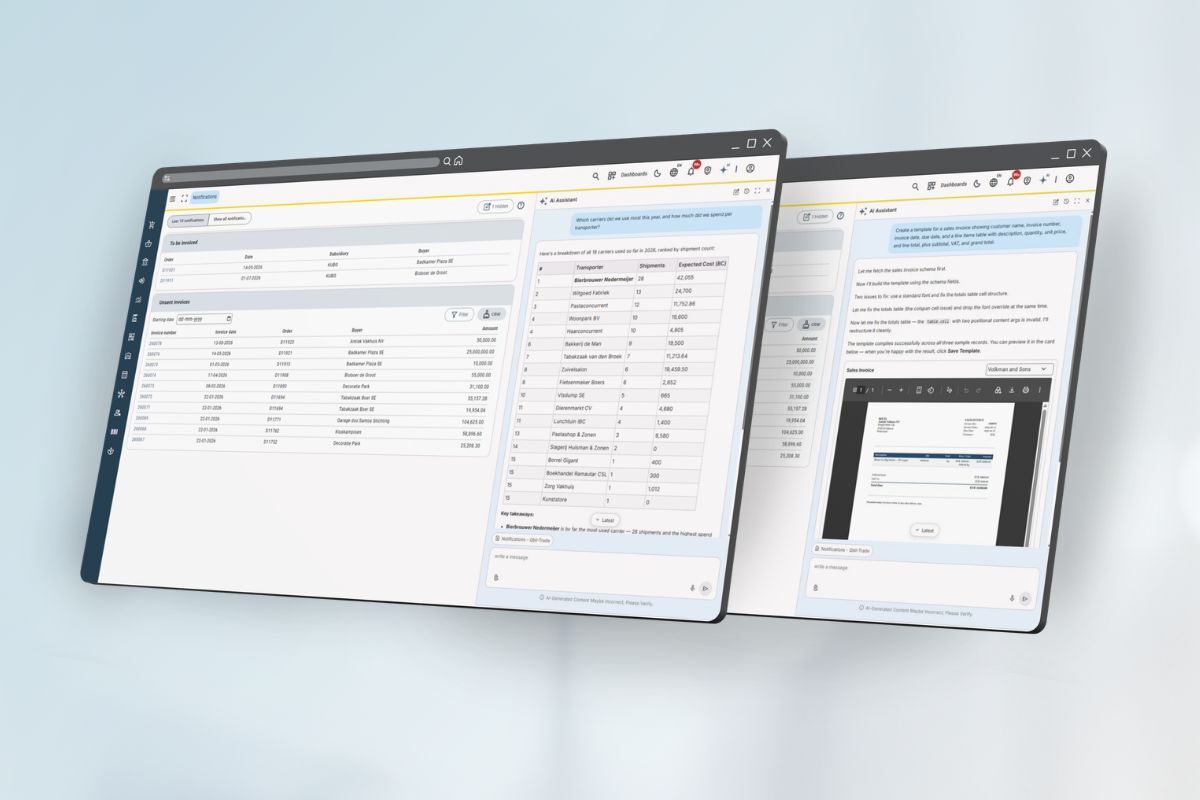
Advanced reporting capabilities help traders analyse their performance and identify patterns that might not be obvious from manual record-keeping. These insights support better decision-making about which markets to focus on and how to structure future contracts.
The speed of implementation has become critical as market conditions change rapidly. Modern trading systems can be operational within days rather than months, allowing businesses to adapt quickly to new opportunities or challenges.
For ingredient traders moving beyond Excel-based systems, specialised software provides the control and oversight necessary to manage growing businesses without losing track of critical details. The investment in proper systems often pays for itself through improved efficiency and reduced risk exposure.
The post-quota era has fundamentally changed how dairy ingredient trading operates, making technology an essential tool rather than a luxury. Traders who embrace these changes with appropriate systems and strategies are better positioned to thrive in a more dynamic market environment. If you’re considering upgrading your trading systems, we’d be happy to discuss how modern solutions can support your specific trading requirements.
Frequently Asked Questions
How long does it typically take to implement dairy trading software, and what should I expect during the transition?
Most modern dairy trading software can be operational within days to a few weeks, depending on your data migration needs and customization requirements. During implementation, expect to work closely with the software provider to configure contract templates, set up reporting dashboards, and train your team. The key is choosing a solution designed for quick deployment rather than lengthy custom development projects.
What are the most common mistakes ingredient traders make when adapting to post-quota market volatility?
The biggest mistakes include relying too heavily on historical pricing patterns, maintaining the same contract terms that worked under quotas, and failing to invest in real-time market intelligence systems. Many traders also underestimate the importance of diversifying their supplier base and continue operating with manual tracking systems that can’t keep pace with increased market complexity.
How do I determine if my current Excel-based trading system is holding my business back?
Key warning signs include spending excessive time on manual data entry, difficulty tracking contract performance across multiple agreements, delayed response to market opportunities, and frequent errors in position calculations. If you’re struggling to scale your operations or find yourself constantly playing catch-up with market changes, it’s likely time to consider specialized trading software.
What specific features should I prioritize when evaluating dairy trading software for my business?
Focus on real-time position management, automated contract tracking with customizable alerts, integrated logistics planning, and comprehensive reporting capabilities. Also ensure the system can handle your specific ingredient types and quality specifications, provides mobile access for trading on-the-go, and offers reliable customer support during critical trading periods.
How has the risk profile changed for small to medium-sized ingredient traders since quota abolition?
Smaller traders now face amplified risks due to increased market volatility and competition from larger players who can better absorb price swings. However, they also have new opportunities to access suppliers previously locked into quota relationships. Success requires more sophisticated risk management, better market intelligence, and often collaboration with technology providers to level the playing field.
What's the best approach for building relationships with new suppliers in the post-quota environment?
Focus on offering flexibility and reliability rather than just competitive pricing. Develop strong communication channels, provide transparent reporting on contract performance, and be prepared to adapt terms as market conditions change. Building trust through consistent execution and professional systems often matters more than having the lowest initial bid.
How do I calculate the ROI of investing in specialized trading software versus continuing with manual systems?
Calculate the time your team currently spends on manual tasks, the cost of errors or missed opportunities, and the potential for increased trading volume with better systems. Most traders find that improved efficiency, reduced errors, and the ability to handle more contracts quickly justify the investment. Consider both direct cost savings and revenue opportunities that better systems enable.