What does back-to-back trading mean and how do you manage it?

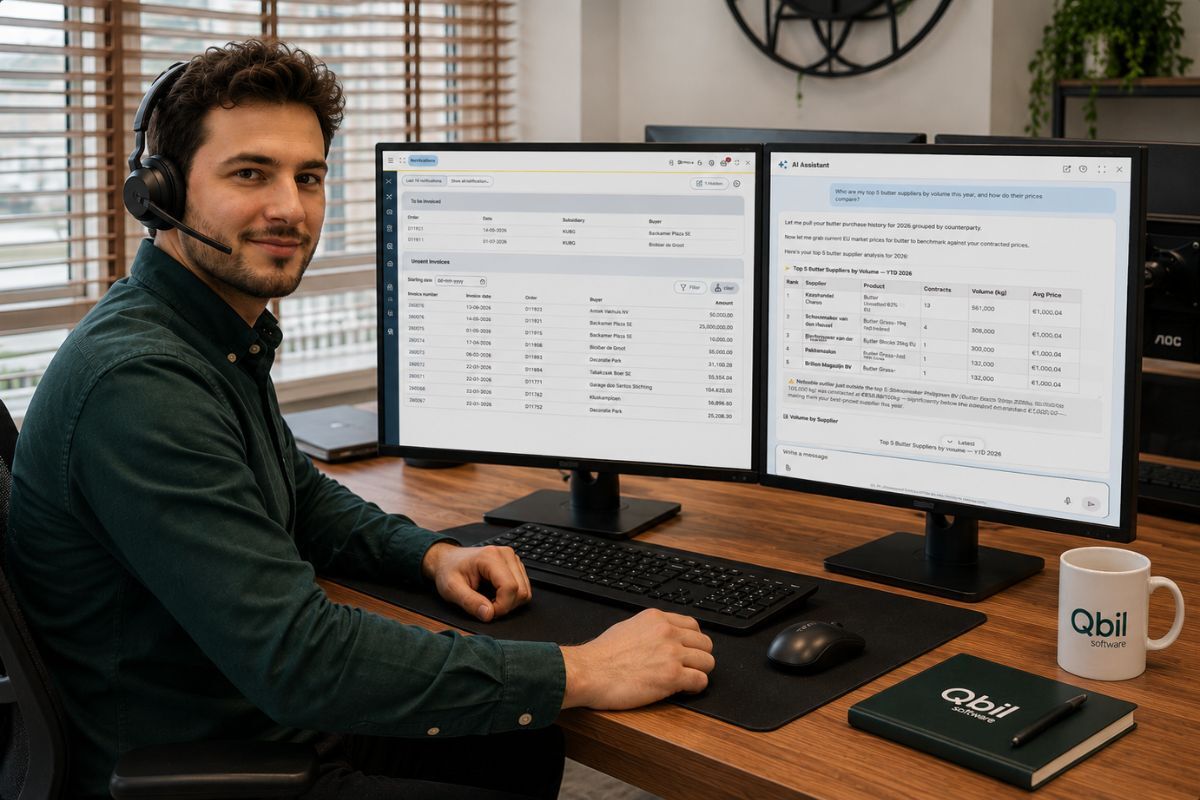
Professional trader typing on laptop with trading charts and data dashboards, coffee cup on desk, harbor view through windows.

Back-to-back trading involves simultaneously buying and selling the same commodity to different parties, capturing profit margins without holding inventory long term. This strategy allows traders to secure deals quickly while minimising storage costs and market exposure. It’s particularly common in dairy and ingredient trading, where timing and relationship management are crucial.

What is back-to-back trading and how does it work?

Back-to-back trading is a simultaneous transaction in which a trader buys a commodity from one supplier and immediately sells the same quantity to a buyer, often within the same day or trading session. The trader acts as an intermediary, capturing the price differential between the purchase and sale without taking physical possession of the goods for extended periods.

In dairy and ingredient markets, this typically works when a trader identifies a buyer seeking specific products such as milk powder or lactose, then sources these ingredients from their supplier network. The trader arranges both transactions concurrently, ensuring the buying price allows for a profitable selling price while covering operational costs and desired margins.

The mechanism relies heavily on market knowledge, established relationships, and timing. Traders must understand current pricing across their network, maintain strong connections with both suppliers and buyers, and execute transactions quickly to lock in profitable spreads. Modern dairy trading software helps manage these complex, time-sensitive operations by tracking multiple positions simultaneously.

Why do traders use back-to-back trading strategies?

Traders employ back-to-back strategies primarily for risk mitigation and capital efficiency. By matching purchases with immediate sales, they avoid prolonged market exposure and reduce the risk of price movements eroding their margins. This approach also minimises storage costs and inventory management complexities.

The strategy offers several key advantages for ingredient traders. Capital requirements are lower since products aren’t held long term, allowing traders to handle larger volumes relative to their working capital. It also provides flexibility to respond quickly to market opportunities without committing significant resources to inventory speculation.

Back-to-back trading particularly suits the dairy ingredient market, where products such as whey protein or milk powder have specific shelf lives and storage requirements. Traders can serve customers’ immediate needs while maintaining lean operations. The approach also allows smaller trading companies to compete effectively with larger players by focusing on relationship management and market intelligence rather than storage infrastructure.

What are the main risks of back-to-back trading?

The primary risk in back-to-back trading is timing mismatch, where one side of the transaction fails to complete as planned. If a buyer cancels or delays their purchase after you’ve committed to buying from a supplier, you’re left holding inventory with associated costs and market exposure.

Counterparty risk represents another significant challenge. Both suppliers and buyers must fulfil their contractual obligations for the strategy to work effectively. Payment delays, quality disputes, or delivery issues on either side can disrupt the entire transaction and impact profitability.

Price volatility between transaction execution and settlement creates additional exposure. Even small price movements can erode thin trading margins, particularly in volatile commodity markets. Operational complexities also increase when managing multiple simultaneous contracts, requiring robust systems to track positions, deliveries, and payments accurately.

Quality specification mismatches between what you’re buying and selling can create costly problems. In dairy ingredient trading, slight differences in protein content, moisture levels, or other specifications might make products unsuitable for your buyer’s requirements.

How do you effectively manage back-to-back trading positions?

Effective back-to-back trading management requires real-time position monitoring and systematic contract tracking. Traders need immediate visibility into their committed purchases versus confirmed sales to identify any exposure gaps quickly and take corrective action.

Successful management starts with robust contract documentation and clear communication channels with all parties. Establish firm delivery dates, quality specifications, and payment terms upfront. Maintain regular contact with both suppliers and buyers to monitor any potential changes or issues that could affect the transactions.

Technology plays a crucial role in managing multiple back-to-back positions effectively. Comprehensive trading systems help track contract details, monitor position exposure, and automate routine processes such as invoice generation and payment tracking. We support traders through our implementation process, typically getting systems operational within two working days to minimise disruption.

Risk management protocols should include position limits, counterparty credit checks, and contingency plans for when transactions don’t proceed as expected. Regular review of trading performance helps identify patterns and improve future decision-making.

Back-to-back trading offers ingredient traders an efficient way to capture market opportunities while managing risk and capital requirements. Success depends on strong relationships, market knowledge, and robust systems to manage operational complexity. For traders looking to optimise their back-to-back operations, professional trading software can provide the real-time oversight and automated processes necessary for profitable, scalable trading activities. Contact us to discuss how specialised dairy trading software can support your trading operations.

Frequently Asked Questions

How do I find reliable counterparties for back-to-back trading?

Start by building relationships through industry associations, trade shows, and referrals from existing contacts. Conduct thorough due diligence including credit checks, reference verification, and reviewing their trading history. Begin with smaller transactions to test reliability before scaling up, and maintain a diversified network of suppliers and buyers to reduce dependency on any single counterparty.

What happens if one side of my back-to-back trade falls through?

Develop contingency plans including backup buyers and suppliers for critical trades. Consider purchasing trade credit insurance to protect against counterparty defaults. If stuck with unwanted inventory, quickly activate your network to find alternative buyers, even at reduced margins. Some traders also use financial hedging instruments to protect against adverse price movements while seeking alternative arrangements.

How thin can profit margins be while still making back-to-back trading worthwhile?

Minimum viable margins depend on your operational costs, transaction volumes, and risk tolerance. Many successful traders work with margins as low as 1-3% on high-volume, low-risk trades, but require 5-10% margins for complex or risky transactions. Factor in all costs including financing, insurance, logistics coordination, and potential holding costs when calculating minimum acceptable spreads.

Do I need special licenses or certifications for back-to-back trading in dairy ingredients?

Requirements vary by jurisdiction, but most regions require food trading licenses and compliance with food safety regulations. You may need HACCP certification, organic certifications for organic products, and import/export licenses for international trades. Consult with regulatory authorities in your operating regions and consider working with compliance specialists to ensure full adherence to applicable laws.

How quickly should I execute both sides of a back-to-back trade?

Ideally, secure both purchase and sale commitments within the same trading day, or at minimum within 24-48 hours. The faster you close both sides, the lower your market exposure. Use preliminary agreements or letters of intent to lock in terms while finalizing contracts. In volatile markets, even hours can make a significant difference to your profit margins.

What's the biggest mistake new traders make with back-to-back trading?

The most common error is securing only one side of the trade before confirming the other, leaving them exposed to market risk. New traders also often underestimate operational complexity and lack proper systems to track multiple simultaneous positions. Additionally, many fail to build sufficient relationships before attempting complex trades, leading to limited options when problems arise.

Can back-to-back trading work for small-volume specialty ingredients?

Yes, back-to-back trading can be particularly effective for specialty ingredients where margins are typically higher and relationships matter more than scale. Focus on building expertise in specific niches like organic dairy proteins or specialty functional ingredients. Smaller volumes often mean more flexible suppliers and buyers, though you'll need deeper market knowledge to identify opportunities and manage the higher complexity.

Want to know more?
If you’d like more details or have any questions about this news item, don’t hesitate to get in touch.

Other news