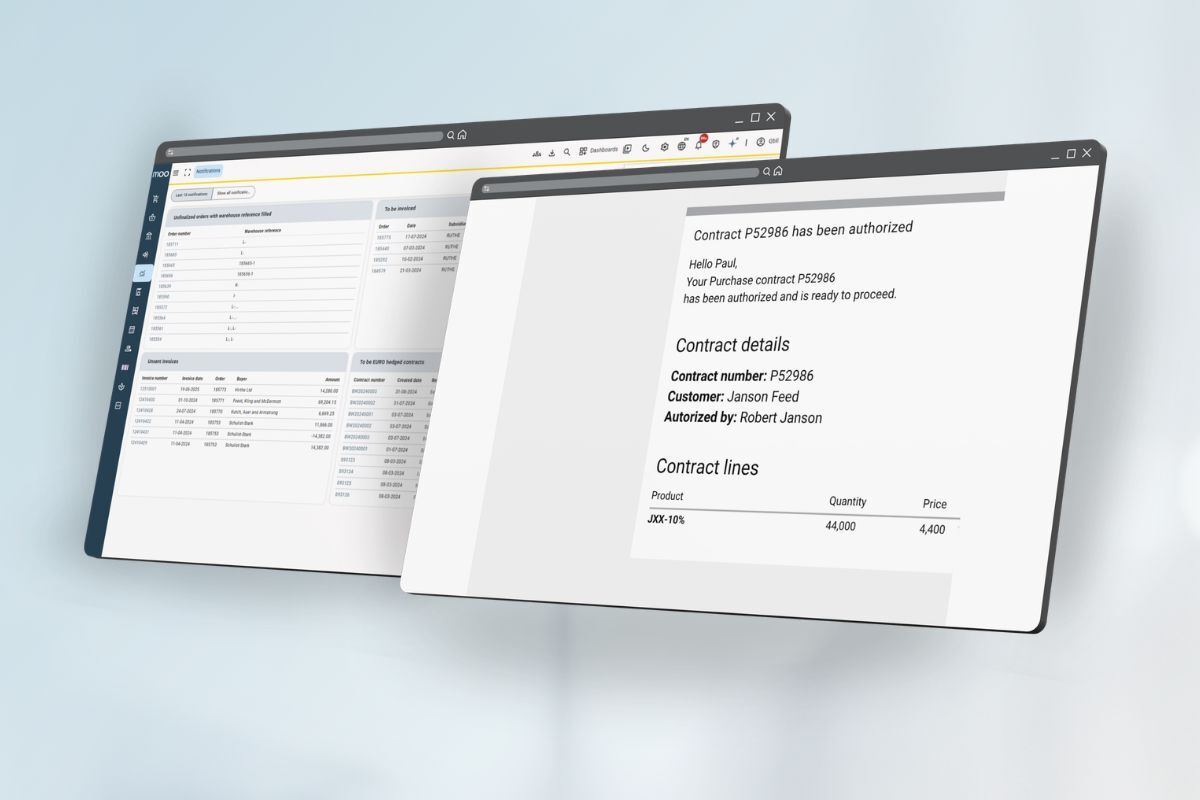

Spreadsheet errors cost commodity trading companies significant sums through direct trading losses, missed opportunities, and operational inefficiencies. Formula mistakes, data entry errors, and version control issues create financial risks that compound over time. While many traders continue to use Excel for its familiarity and flexibility, the hidden costs often exceed the investment in specialized software per il commercio di latticini solutions.
What are the most common spreadsheet errors that cost commodity traders money?
Formula errors, data entry mistakes, version control issues, and calculation inconsistencies are the primary spreadsheet problems that drain trading company profits. These errors occur when traders manually update complex formulas, accidentally overwrite cells, or work with outdated versions of critical spreadsheets.
Formula errors happen frequently when traders copy and paste calculations across different contracts or commodities. A single misplaced cell reference can propagate incorrect values throughout an entire trading position. Data entry mistakes occur during high-pressure trading situations when speed takes priority over accuracy, leading to incorrect quantities, prices, or delivery dates being recorded.
Version control creates particularly expensive problems when multiple team members work with different copies of the same spreadsheet. One trader might update inventory levels while another calculates positions using outdated data, resulting in position miscalculations that expose the company to unexpected risk.
Calculation inconsistencies emerge when different spreadsheets use different formulas for the same calculations. Currency conversions, margin calculations, or inventory adjustments might follow different logic across files, creating discrepancies that become apparent only during reconciliation.
How much money do spreadsheet errors actually cost trading companies?
Direct trading losses from spreadsheet errors range from thousands to hundreds of thousands per incident, depending on company size and trade volumes. The financial impact includes immediate losses from incorrect trades, missed profit opportunities, compliance penalties, and substantial time costs for error correction and reconciliation.
Direct trading losses occur when position calculations are wrong, leading to overbuying or underselling commodities. A misplaced decimal point in a dairy ingredient order can result in purchasing ten times the intended quantity, tying up cash flow and creating storage challenges.
Missed opportunities represent another significant cost category. When spreadsheet errors delay decision-making or provide incorrect market analysis, traders miss profitable positions or fail to exit losing trades at optimal times. These opportunity costs accumulate over time and often exceed direct error losses.
Compliance penalties add unexpected expenses when spreadsheet errors lead to incorrect regulatory reporting. Trading companies must maintain accurate records for auditing purposes, and errors can trigger fines or increased scrutiny from regulatory bodies.
Time costs multiply the financial impact as staff spend hours identifying, correcting, and preventing future errors. Senior traders and managers are often pulled into error resolution, taking their attention away from profitable trading activities.
Why do commodity traders still rely on spreadsheets despite the risks?
Commodity traders continue to use spreadsheets because of familiarity, perceived flexibility, low upfront costs, and resistance to change. Many traders learned their profession using Excel and feel comfortable manipulating data manually, even though this approach creates long-term risks and hidden costs.
Familiarity drives continued Excel usage because most traders understand how to create formulas, build reports, and analyse data in spreadsheet environments. This knowledge represents years of experience that traders are reluctant to abandon for unfamiliar software systems.
Perceived flexibility makes spreadsheets attractive because traders can quickly modify calculations, add new columns, or create custom reports without technical support. This apparent advantage becomes a liability when multiple versions of the same calculations exist across different files.
Initial cost considerations favour spreadsheets since most companies already have Excel licences. However, this perspective ignores the hidden costs of manual processes, error correction, and missed opportunities that accumulate over time.
Resistance to change prevents many trading companies from adopting specialized solutions. The transition period requires training, data migration, and process adjustments that can seem disruptive to daily operations, even though the long-term benefits justify the short-term inconvenience.
What happens when spreadsheet errors go undetected in commodity trading?
Undetected spreadsheet errors create cascading effects, including position miscalculations, inventory discrepancies, damaged client relationships, regulatory compliance issues, and compounding problems that become increasingly expensive to resolve. These errors often remain hidden until month-end reconciliation or external audits reveal the extent of the problems.
Position miscalculations compound over time as incorrect data feeds into subsequent trading decisions. A trader might believe they have a balanced position when they are actually exposed to significant market risk, leading to unexpected losses during price movements.
Inventory discrepancies emerge when physical stock levels do not match spreadsheet records. This creates problems with delivery commitments, storage planning, and cash flow management as companies struggle to reconcile actual positions with recorded data.
Client relationship damage occurs when errors affect delivery schedules, pricing agreements, or contract terms. Customers lose confidence in suppliers that cannot provide accurate information about their orders or delivery capabilities.
Regulatory compliance issues develop when incorrect data feeds into required reports. Auditors may question the reliability of all company records if they discover significant spreadsheet errors, potentially triggering comprehensive reviews and additional compliance costs.
The compounding nature of undetected errors makes them increasingly expensive to resolve. Small mistakes multiply through interconnected calculations, making it difficult to trace the original source of the problem and requiring extensive manual verification to restore data integrity.
How can commodity trading companies reduce their spreadsheet error risks?
Risk mitigation strategies include implementing data validation protocols, establishing regular auditing processes, creating backup systems, developing staff training programmes, and planning transition pathways to specialized trading software solutions. These approaches reduce error frequency and minimize the impact when mistakes occur.
Data validation protocols involve setting up automatic checks that flag unusual values, missing information, or calculation inconsistencies. Simple validation rules can catch many common errors before they affect trading decisions or client communications.
Regular auditing processes require systematic reviews of critical spreadsheets to identify errors, inconsistencies, or outdated information. Monthly reconciliation between different data sources helps catch problems before they compound into larger issues.
Backup systems protect against data loss and provide recovery options when errors are discovered. Version control procedures ensure that all team members work with current information and can trace changes back to their source.
Staff training programmes teach best practices for spreadsheet management, error prevention, and quality control procedures. Training should cover both technical skills and awareness of how small mistakes can create significant financial consequences.
Specialized dairy trading software is the most comprehensive solution for reducing spreadsheet risks. Modern systems provide built-in validation, automated calculations, and integrated workflows that eliminate many common sources of error. The processo di implementazione typically takes only a few days, making the transition less disruptive than many traders expect.
Companies ready to move beyond spreadsheet limitations can explore how dedicated trading solutions address these challenges while supporting business growth. The investment in proper systems often pays for itself through fewer errors, improved efficiency, and better decision-making capabilities that enhance overall profitability.
Domande frequenti
How can I tell if my current spreadsheets have hidden errors that I haven't discovered yet?
Start by performing cross-validation between your spreadsheets and external data sources like bank statements, inventory records, and client confirmations. Look for discrepancies in totals, unusual patterns in your data, or calculations that don’t reconcile across different files. Consider running parallel calculations using different methods to verify critical numbers, and pay special attention to any manual adjustments or overrides that bypass your standard formulas.
What's the best way to transition from spreadsheets to specialized trading software without disrupting daily operations?
Plan a phased transition where you run both systems in parallel for a testing period, starting with non-critical functions first. Begin by migrating historical data and setting up basic workflows, then gradually shift daily operations once you’ve verified accuracy. Most modern dairy trading software implementations take only a few days, and vendors typically provide training and support to ensure smooth adoption without interrupting your trading activities.
Should I hire additional staff to double-check spreadsheet work, or invest in trading software instead?
Investing in specialized trading software is typically more cost-effective than hiring additional staff for error-checking. Manual verification still carries human error risk and doesn’t scale efficiently as your business grows. Trading software provides automated validation, consistent calculations, and built-in controls that eliminate many error sources entirely, while freeing up your existing staff to focus on profitable trading activities rather than administrative tasks.
How do I convince management to invest in trading software when our current spreadsheet system 'works fine'?
Calculate the hidden costs of your current system by tracking time spent on manual data entry, error correction, reconciliation, and missed opportunities due to delayed decision-making. Present a cost-benefit analysis showing how software investment pays for itself through reduced errors, improved efficiency, and better risk management. Many companies discover their ‘free’ spreadsheet system actually costs more than specialized software when all factors are considered.
What immediate steps can I take today to reduce spreadsheet errors while I evaluate long-term solutions?
Implement cell protection to prevent accidental overwrites, create backup copies before making changes, and establish a simple version control system with clear file naming conventions. Set up basic data validation rules to flag unusual entries, and institute a buddy-check system where another team member reviews critical calculations. These quick fixes can significantly reduce error risk while you plan your transition to more robust solutions.
How do I recover from a major spreadsheet error that has already affected multiple trades?
First, stop using the affected spreadsheet immediately and preserve it as evidence for analysis. Work backwards from known good data points to identify the error source and scope of impact. Contact affected clients proactively to explain the situation and your correction plan. Document all steps taken for regulatory compliance, and consider engaging external auditors if the error is significant. Use this incident as justification for implementing better systems to prevent future occurrences.