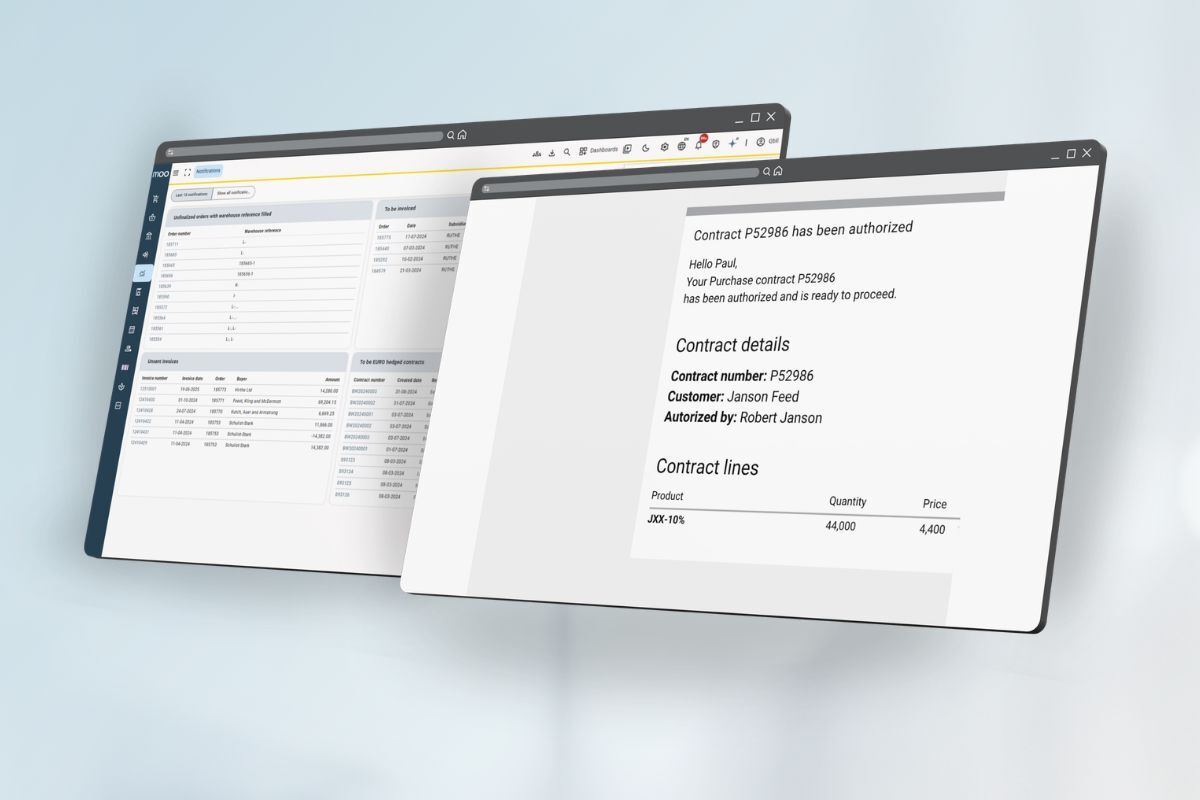

Managing multiple dairy ingredient suppliers and customers efficiently requires centralised communication systems, standardised quality protocols, and real-time tracking of contracts, pricing, and inventory positions. Success depends on establishing consistent processes that provide complete visibility across all supplier relationships while maintaining quality standards and competitive pricing. Modern ERP software for dairy industry operations streamlines these complex relationships through integrated management systems.
What are the biggest challenges when working with multiple dairy ingredient suppliers?
The primary challenges include maintaining consistent communication across different time zones, managing varying quality standards between suppliers, tracking fluctuating prices for commodities such as milk powder and lactose, coordinating delivery schedules, and preserving strong relationships with suppliers who may also be customers in your trading network.
Communication gaps create the most immediate problems. When you’re dealing with suppliers across Europe, Asia, and the Americas, coordinating conversations about contract terms, delivery schedules, and quality specifications becomes complex. Each supplier may prefer different communication methods, from traditional phone calls to modern messaging platforms.
Quality inconsistencies pose significant risks to your reputation with end customers. Different suppliers maintain varying standards for moisture content, protein levels, and packaging quality. Without standardised evaluation criteria, you might receive products that meet one supplier’s standards but fall short of another’s, creating confusion in your inventory management.
Pricing variations across suppliers require constant monitoring. Dairy commodity prices fluctuate based on seasonal factors, global supply conditions, and regional market dynamics. Keeping track of these changes manually while maintaining profitable margins becomes overwhelming as your supplier network grows.
Relationship management becomes more complex when suppliers are also customers. In dairy ingredient trading, today’s milk powder supplier might be tomorrow’s whey protein customer. Balancing these dual relationships requires careful attention to contract terms, payment schedules, and priority handling during busy periods.
How do you keep track of contracts and pricing across different suppliers?
Effective contract and pricing management requires centralised digital systems that store all contract details, monitor price changes in real time, track delivery schedules, and maintain searchable records of terms, conditions, and performance history across your entire supplier network.
Digital contract repositories eliminate the chaos of spreadsheet management. Instead of maintaining separate Excel files for each supplier relationship, a centralised system stores contract terms, pricing agreements, delivery schedules, and quality specifications in one searchable location. This prevents missed renewal dates and ensures consistent terms across similar products.
Automated price monitoring helps you respond quickly to market changes. Rather than manually checking prices from multiple suppliers daily, integrated systems can track commodity prices and alert you to significant changes. This enables proactive communication with customers about pricing adjustments and helps identify arbitrage opportunities.
Delivery schedule coordination becomes manageable through shared calendars and automated reminders. When you can see all incoming deliveries from multiple suppliers in one view, you can better plan warehouse capacity, coordinate quality inspections, and manage cash flow requirements.
Historical performance tracking provides valuable insights for future negotiations. Recording delivery times, quality issues, and pricing patterns helps you evaluate supplier reliability and negotiate better terms during contract renewals. This data becomes particularly valuable when expanding your supplier network or replacing underperforming partners.
What’s the most efficient way to communicate with suppliers and customers daily?
The most efficient approach combines integrated communication platforms with standardised workflows that centralise all supplier and customer interactions, maintain conversation history, and provide team access to ongoing discussions while supporting various communication preferences across different markets and time zones.
Centralised communication platforms eliminate information silos. Instead of managing conversations across personal email accounts, WhatsApp, phone calls, and various messaging apps, integrated systems capture all interactions in one place. This ensures team members can access conversation history and continue discussions seamlessly.
Standardised response templates speed up routine communications. Creating templates for common scenarios such as price inquiries, delivery confirmations, and quality specifications reduces response time and ensures consistent information sharing. These templates can be customised for specific relationships while maintaining professional standards.
Automated workflow notifications keep everyone informed about important updates. When a supplier confirms a delivery or a customer requests a quote modification, automated alerts ensure relevant team members respond promptly. This prevents delayed responses that could impact business relationships.
Multi-channel communication support accommodates different preferences. European suppliers might prefer email communication, while Asian partners often use messaging platforms. Supporting various communication methods within one system ensures you can maintain strong relationships regardless of regional preferences.
How do you maintain quality standards when sourcing from multiple suppliers?
Maintaining consistent quality standards requires standardised evaluation criteria, documented inspection processes, supplier certification requirements, and systematic quality tracking that ensures all products meet your specifications regardless of which supplier provides them.
Standardised quality specifications eliminate ambiguity across supplier relationships. Creating detailed documentation for moisture content, protein levels, packaging requirements, and storage conditions ensures every supplier understands your exact requirements. These specifications should be identical across suppliers for the same product categories.
Systematic inspection processes verify quality upon delivery. Establishing consistent testing procedures for each product type helps identify quality issues before products reach your customers. Documentation of these inspections creates accountability and helps suppliers improve their processes over time.
Supplier certification programmes encourage quality improvements. Requiring suppliers to meet specific quality certifications and providing regular feedback about their performance motivates continuous improvement. This approach builds stronger partnerships while protecting your quality reputation.
Quality tracking systems identify patterns and trends across suppliers. Recording quality metrics over time helps you identify which suppliers consistently meet standards and which require additional attention. This data supports informed decisions about supplier relationships and contract renewals.
What systems help manage inventory and positions across multiple relationships?
Effective inventory and position management requires real-time tracking systems that provide complete visibility into committed quantities, available stock levels, and outstanding orders across all supplier and customer relationships, enabling informed trading decisions and preventing overcommitment or stockouts.
Real-time position tracking prevents costly overcommitment errors. When you can see exactly how much you’ve purchased versus sold across all contracts, you avoid situations where you’ve promised more than you can deliver. This visibility becomes critical when managing large volumes of commodities such as milk powder or whey protein.
Integrated inventory management connects physical stock with contract commitments. Understanding not just how much inventory you have, but which specific contracts it fulfils, helps you manage delivery schedules and identify opportunities for additional sales or purchases.
Automated alerts warn about potential shortfalls or surpluses. When inventory levels approach predetermined thresholds or when contract delivery dates approach, automated notifications help you take proactive action. This prevents emergency purchasing at unfavourable prices or unexpected storage costs.
Comprehensive reporting provides insights for strategic decisions. Regular analysis of inventory turnover, supplier performance, and contract profitability helps you optimise your supplier mix and identify opportunities for business growth. This data becomes particularly valuable when evaluating new supplier relationships or expanding into new product categories.
Modern ERP software for dairy industry operations addresses these complex management challenges through integrated systems designed specifically for ingredient trading. These solutions typically include contract management, real-time position tracking, and automated communication workflows that streamline supplier relationships. Professional implementation support ensures your team can quickly adopt these systems and begin realising efficiency benefits. For guidance on selecting the right management solution for your supplier network, consider discussing your specific requirements with specialists who understand dairy ingredient trading complexities.
Frequently Asked Questions
How long does it typically take to implement a centralised supplier management system?
Implementation timelines vary based on your current systems and supplier network complexity, but most dairy ingredient trading companies see full deployment within 3-6 months. The process includes data migration from existing spreadsheets, supplier onboarding, staff training, and system integration testing. Working with experienced implementation specialists can reduce this timeline and ensure smoother adoption across your team.
What should I do if some suppliers refuse to adapt to new communication systems?
Start by identifying their specific concerns and offering flexible solutions that accommodate their preferences while maintaining your centralised tracking. Most modern systems support multiple communication channels, so suppliers can continue using their preferred methods while your team benefits from unified record-keeping. Focus on demonstrating how improved communication benefits them through faster responses and fewer misunderstandings.
How do I handle situations where suppliers have conflicting delivery schedules?
Use integrated scheduling systems to identify conflicts early and communicate proactively with suppliers about alternative delivery windows. Maintain buffer time in your warehouse capacity planning and establish priority protocols for critical deliveries. Consider negotiating flexible delivery terms during contract discussions to provide more scheduling options when conflicts arise.
What's the best way to transition from spreadsheet-based tracking to an integrated system?
Begin with a phased approach, starting with your most active supplier relationships while maintaining parallel tracking initially. Export existing spreadsheet data into standardised formats for easier migration, and train your team on core system functions before full deployment. Plan the transition during slower business periods to minimise disruption to ongoing operations.
How can I ensure data security when centralising all supplier information?
Choose systems with robust security features including encrypted data storage, role-based access controls, and regular security updates. Implement clear data access policies defining who can view sensitive pricing and contract information. Regular backups and disaster recovery procedures protect against data loss, while audit trails track all system access and changes.
What metrics should I track to measure supplier management efficiency improvements?
Focus on key performance indicators such as response time to supplier inquiries, contract renewal lead times, quality incident frequency, and inventory turnover rates. Track communication efficiency through metrics like average resolution time for supplier issues and percentage of automated versus manual processes. These measurements help quantify the ROI of your supplier management investments.