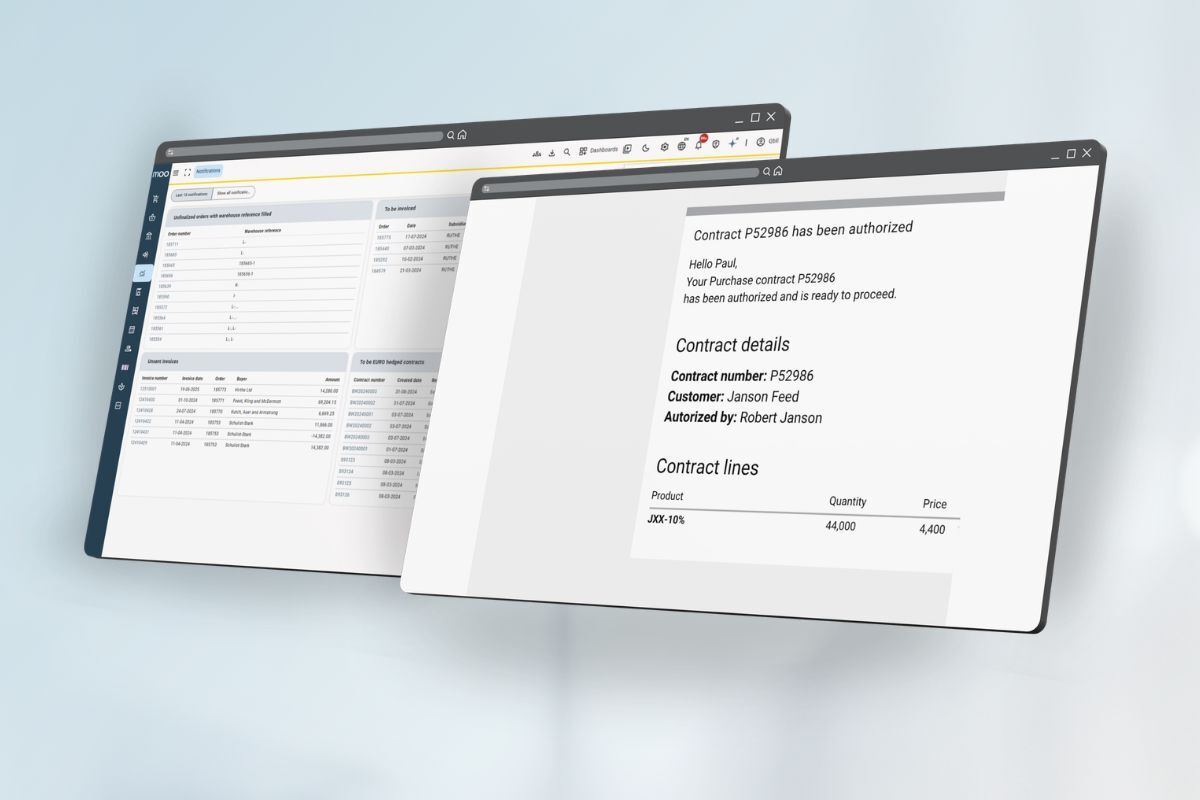

Successful ingredient traders organize their business operations around real-time position tracking, streamlined contract management, and integrated systems that handle the complex relationships inherent in commodity trading. They move beyond Excel-based tracking to professional trading software that provides instant visibility into buying and selling positions across multiple commodities. This operational foundation enables them to manage tight margins while scaling their trading activities effectively.
What are the core operational challenges ingredient traders face daily?
Ingredient traders face five primary operational challenges: managing contract complexity, tracking positions in real time across multiple commodities, coordinating relationships in which customers often become suppliers, operating on razor-thin profit margins, and transitioning from Excel-based systems to professional trading operations.
Contract management presents the most immediate challenge, as traders typically handle hundreds of agreements simultaneously. Each contract for products like milk powder or lactose involves specific delivery schedules, quality specifications, and pricing terms. A single 100,000-kilogram milk powder contract might be delivered in multiple batches over several months, requiring constant monitoring and coordination.
Position tracking becomes critical when operating on margins between 1% and 3%. Traders must know exactly how much they have purchased versus sold at any moment. Without this visibility, a seemingly profitable deal can quickly become a loss-making position. The interconnected nature of ingredient trading means that market movements can affect multiple positions simultaneously.
The transition from Excel represents a common pain point. While spreadsheets work adequately for smaller operations, they become unwieldy as trading volumes grow. Manual data entry increases the risk of errors, and real-time collaboration becomes impossible when multiple team members need access to current information.
How do successful traders manage their contracts and positions effectively?
Successful traders implement systematic contract lifecycle management with automated tracking systems that monitor deliveries, payments, and quality specifications. They maintain real-time position visibility through integrated platforms that automatically calculate exposure across all commodities and provide instant profit-and-loss updates.
Contract management requires structured approaches to handle the complexity of ingredient trading. Professional traders establish clear workflows for contract creation, approval, and monitoring. They track delivery schedules meticulously, ensuring that incoming supplies align with outgoing commitments. This prevents situations in which they are committed to deliver products they have not yet received.
Position management involves continuous monitoring of buy-versus-sell ratios across all traded commodities. Successful traders use systems that automatically flag potential issues, such as overcommitment in specific products or exposure to price volatility. They establish clear risk parameters and automated alerts when positions exceed predetermined thresholds.
Integration with financial systems ensures that every transaction flows automatically into accounting systems, reducing manual work and improving accuracy. This integration provides real-time profitability analysis and helps identify which trading relationships and products generate the best returns.
What systems and processes separate growing traders from struggling ones?
Growing traders invest in specialized trading software rather than generic ERP systems, implement standardized workflows for all trading activities, and establish automated processes that reduce manual intervention. They choose systems designed specifically for commodity trading that address the unique requirements of ingredient markets.
Technology choice proves crucial for scaling operations. Successful traders recognize that generic business software does not address the specific needs of commodity trading. They require systems that handle complex pricing structures, manage multi-batch deliveries, and provide real-time position tracking. Professional trading platforms can typically be implemented within days rather than months.
Process standardization enables consistent operations regardless of which team member handles specific trades. Growing traders establish clear procedures for contract negotiation, order processing, and delivery coordination. They create checklists and approval workflows that ensure nothing falls through the cracks during busy trading periods.
Automation reduces the administrative burden that often constrains growth. Successful traders automate routine tasks like invoice generation, delivery confirmations, and payment tracking. This automation frees up time for relationship building and identifying new trading opportunities. Professional implementation typically ensures systems are operational within two working days.
Decision-making support through real-time reporting helps traders identify trends and opportunities quickly. Growing operations use dashboards that provide instant visibility into key metrics like margin trends, customer payment patterns, and inventory turnover rates.
How do ingredient traders handle the complexity of multi-party relationships?
Ingredient traders manage multi-party relationships through centralized communication systems that track all interactions, maintain detailed contact databases that reflect changing roles, and implement trust-building processes that acknowledge the interconnected nature of trading networks, where today’s customer becomes tomorrow’s supplier.
Relationship management in ingredient trading differs significantly from traditional business relationships. The same company might simultaneously be a customer for milk powder and a supplier of lactose. This dual relationship requires careful coordination to ensure that issues in one area do not affect the other trading relationship.
Communication workflows become essential for maintaining these complex relationships. Successful traders implement systems that track all communications, ensuring that relevant team members stay informed about ongoing negotiations and commitments. They maintain detailed records of preferences, payment terms, and quality requirements for each trading partner.
Trust building requires consistent performance and transparent communication. Traders who succeed long term establish reputations for reliability and fair dealing. They honor commitments even when market conditions change, understanding that their reputation enables access to better deals and preferential treatment during supply shortages.
Network effects multiply trading opportunities when relationships are managed effectively. Satisfied trading partners provide referrals and share market intelligence. They offer access to products during tight supply situations and provide early notice of new opportunities.
Successful ingredient traders recognize that operational excellence forms the foundation of profitable trading. By implementing appropriate systems and processes, they create the infrastructure needed to scale beyond Excel limitations while maintaining the relationship focus that drives long-term success. Professional guidance can help evaluate whether current operational approaches support growth objectives or create unnecessary constraints on trading potential.
Häufig gestellte Fragen
How long does it typically take to transition from Excel-based systems to professional trading software?
Most ingredient traders can transition to professional trading software within 2-5 business days for basic implementation, with full operational integration typically completed within 2-3 weeks. The key is choosing software specifically designed for commodity trading rather than generic ERP systems, which can take months to customize and implement properly.
What are the most common mistakes traders make when scaling beyond Excel?
The biggest mistakes include choosing generic business software instead of commodity-specific platforms, attempting to customize existing systems rather than adopting proven trading solutions, and failing to establish standardized workflows before implementing new technology. Many traders also underestimate the importance of automated position tracking and try to maintain manual processes that become bottlenecks.
How do I manage cash flow when operating on 1-3% margins with extended payment terms?
Successful traders implement automated payment tracking systems, establish credit limits based on trading partner payment history, and use factoring or trade financing when necessary. The key is maintaining real-time visibility into accounts receivable and having clear escalation procedures for overdue payments to prevent cash flow disruptions.
What should I do when a trading partner is both a customer and supplier but has payment issues?
Handle each relationship separately while maintaining clear communication about both roles. Consider implementing payment netting arrangements where possible, but avoid letting supply relationships compensate for customer payment issues. Establish separate credit limits and terms for each role to protect your business while maintaining the valuable dual relationship.
How can I identify which trading relationships and products are most profitable?
Use integrated systems that automatically track all costs including storage, transportation, and financing charges for each transaction. Analyze margin trends by customer, product, and time period through automated reporting. Focus on total relationship profitability rather than individual transaction margins, as some customers may provide consistent volume that justifies lower margins.
What are the warning signs that my current operational setup is limiting growth?
Key warning signs include spending more than 30% of your time on administrative tasks, difficulty getting real-time position information, frequent errors in contract tracking or delivery coordination, and inability to quickly assess profitability of potential deals. If you're avoiding larger transactions due to operational complexity rather than financial constraints, your systems are likely holding you back.
How do I maintain quality relationships while implementing more systematic processes?
Frame process improvements as enhancements to service quality rather than administrative requirements. Use technology to provide better communication and transparency to trading partners, such as automated delivery confirmations and real-time order status updates. The goal is to use systematic processes to deliver more consistent and reliable service, which strengthens rather than weakens trading relationships.