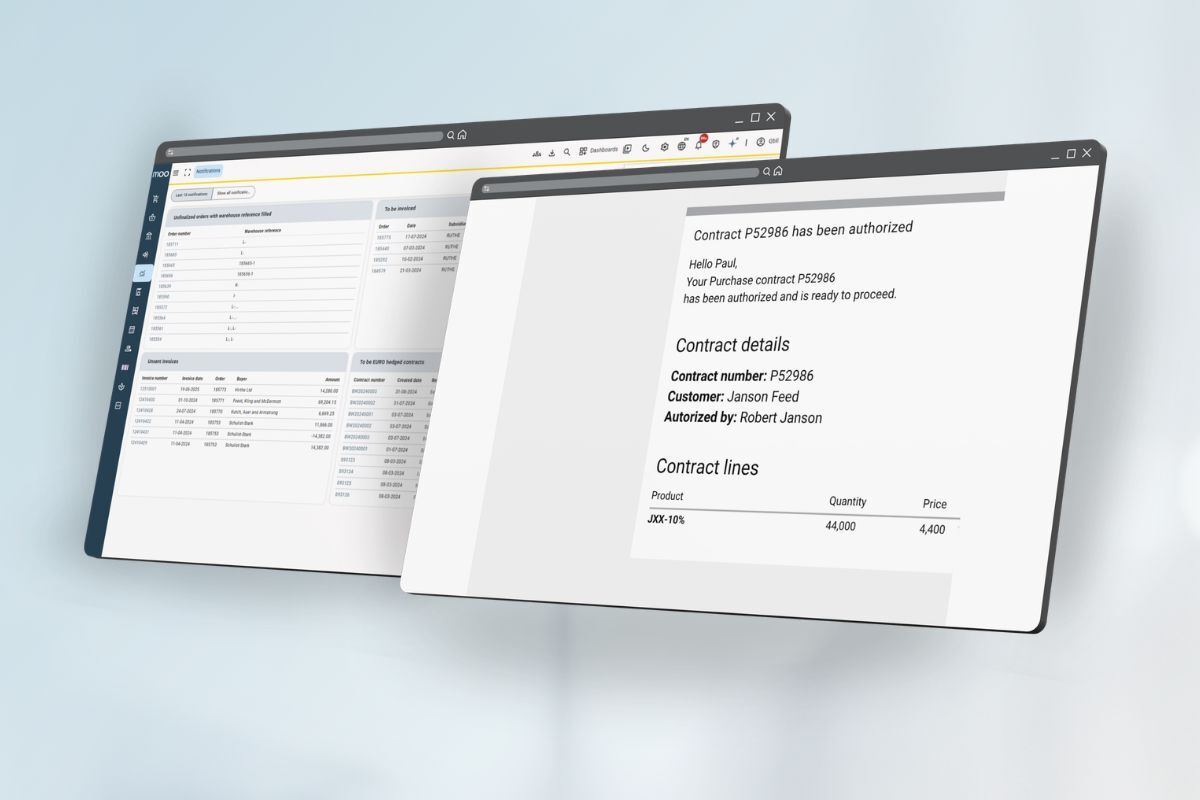

The main difference between generic ERP systems and dairy trading ERPs lies in specialization. Generic ERP systems serve multiple industries with broad, standardized features, while dairy trading ERPs are purpose-built for the unique complexities of dairy and ingredient trading. Specialized systems support contract management, position tracking, and margin calculations specific to commodity trading, whereas generic solutions require extensive customization to handle these workflows effectively.
What exactly is a generic ERP system, and how does it work?
A generic ERP system is a comprehensive business management platform designed to serve multiple industries through standardized modules and processes. These systems typically include modules for accounting, human resources, inventory management, customer relationship management, and basic supply chain functions that work across various business types.
Generic ERPs operate on the principle of broad applicability. They provide standardized workflows that can, in theory, fit many different business models. For example, their inventory module might track products by simple quantity and location; their sales module handles basic order processing; and their accounting module covers standard financial transactions.
The architecture of generic systems relies on configuration rather than industry-specific functionality. Users typically need to adapt their business processes to fit the software’s predetermined structure or invest heavily in customization to make the system work for their specific needs.
These systems work well for businesses with straightforward operations that align closely with standard business practices. However, they struggle in specialized industries that have unique requirements, complex trading relationships, or non-standard business models that don’t fit the generic framework.
Why do dairy traders need specialized software instead of generic solutions?
Dairy traders need specialized software because their business model involves unique complexities that generic ERPs cannot adequately address. Trading in dairy ingredients requires managing complex contracts, tracking positions across multiple deals, monitoring razor-thin margins in real time, and handling commodity-specific logistics that generic systems simply weren’t designed to support.
The dairy and ingredient trading business operates fundamentally differently from typical manufacturing or retail operations. Traders often act as intermediaries, buying and selling the same products simultaneously, creating complex position management needs. They might purchase 100,000 kilos of milk powder through one contract while selling portions of that same quantity through multiple separate agreements with different delivery schedules.
Contract complexity in dairy trading far exceeds what generic ERPs can handle. These contracts often include price formulas tied to commodity indices, quality specifications for protein content, delivery schedules spanning months, and payment terms that vary based on market conditions.
Real-time position management becomes critical when operating on margins of just a few cents per kilo. Traders need instant visibility into how much they’ve bought versus sold, what’s committed for delivery, and what inventory is available for new deals. Generic ERPs typically update inventory through traditional purchase-and-sale workflows that don’t reflect the continuous reality of trading.
The relationship dynamics also differ significantly. In dairy trading, customers frequently become suppliers and vice versa, creating complex business relationships that generic CRM modules cannot effectively manage.
What specific features do dairy trading ERPs offer that generic systems don’t?
Dairy trading ERPs provide specialized features such as contract lifecycle management, real-time position tracking, commodity-specific inventory handling, and trading workflow automation that are built specifically for ingredient traders. These systems understand the nuances of commodity trading, including price formulas, quality specifications, and complex delivery schedules that generic ERPs cannot handle without extensive customization.
Contract lifecycle management in specialized systems supports price formulas tied to commodity exchanges, quality specifications for different ingredient grades, and delivery schedules that span multiple shipments over extended periods. Generic ERPs typically offer basic purchase order functionality that cannot accommodate these complexities.
Position management provides real-time visibility into buy-versus-sell positions across all active contracts. Traders can instantly see their exposure, available inventory, and committed deliveries. This goes far beyond simple inventory tracking to include forward positions, quality variations, and delivery-timing considerations.
Commodity-specific inventory handling accounts for factors such as moisture content, protein levels, and other quality parameters that affect pricing and usability. The system tracks not just quantities but also the specific characteristics that determine product value and suitability for different customers.
Trading workflow automation includes features such as automatic margin calculations, profit-and-loss tracking by position, and integration with commodity price feeds. These systems understand that the same product might have different values based on quality, timing, and market conditions.
Specialized reporting provides insights into trading performance, position analysis, and market exposure that are essential for commodity traders but absent from generic ERP reporting modules.
How does the implementation process differ between generic and dairy-specific ERPs?
Implementing dairy-specific ERPs is typically faster and more straightforward because the software already supports trading workflows. Specialized systems often require minimal customization and can be operational within days, while generic ERP implementations usually take months and require extensive configuration to handle commodity trading requirements.
Generic ERP implementations involve lengthy discovery phases in which consultants must understand your unique business model, then configure or customize the system to accommodate trading workflows it wasn’t designed for. This process often takes several months and requires significant investment in custom development.
Training requirements differ substantially between the two approaches. With specialized dairy trading software, users immediately recognize familiar workflows and terminology. The system speaks their language and follows their natural business processes, significantly reducing training time.
Generic systems require extensive user training not just on how to use the software, but on how to adapt work processes to fit the system’s limitations. Users must learn workarounds for functionality gaps and remember to perform manual processes that specialized systems handle automatically.
Data conversion becomes more complex with generic systems because they may not have appropriate fields for trading-specific information such as position data, quality specifications, or complex contract terms. Our implementation process typically has environments operational within two working days because the system already supports how dairy traders work.
Testing and validation phases are shorter with specialized systems because the core functionality already matches business requirements. Generic implementations require extensive testing of customizations and workarounds that may introduce unexpected complications.
What are the real costs of choosing a generic ERP over specialized dairy trading software?
Choosing a generic ERP over specialized dairy trading software creates hidden costs, including extensive customization expenses, prolonged training periods, reduced operational efficiency, and missed trading opportunities. The total cost often exceeds that of specialized solutions when factoring in implementation time, ongoing maintenance, and the productivity impact of using unsuitable software for complex trading operations.
Customization costs for generic ERPs can be substantial. Making a standard business system handle commodity trading requires custom development for position management, contract handling, and trading-specific reporting. These customizations require ongoing maintenance and updates, creating long-term cost obligations.
Training and productivity costs compound over time. Staff spend more time working around system limitations, performing manual calculations, and maintaining separate spreadsheets for functionality the ERP cannot provide. This reduces the time available for actual trading activities that generate revenue.
Opportunity costs may be the most significant factor. When traders lack real-time position visibility or cannot quickly assess margin opportunities, they miss profitable deals or make decisions based on incomplete information. In a business where margins are measured in cents per kilo, these missed opportunities quickly add up.
System maintenance becomes more complex and expensive with heavily customized generic ERPs. Updates to the base system may break customizations, requiring additional development work. Specialized systems maintain their industry-specific functionality through regular updates without disrupting core trading capabilities.
The flexibility factor also creates long-term costs. As trading businesses grow and evolve, generic systems require additional customization to support new requirements. Specialized ERP software for the dairy industry naturally accommodates growth within the trading domain without requiring fundamental system changes.
When evaluating ERP options for dairy and ingredient trading, the apparent cost savings of generic solutions often disappear when accounting for total implementation and operational expenses. Understanding your specific requirements helps determine whether specialized functionality will provide better long-term value than attempting to adapt generic systems to complex trading workflows.
Frequently Asked Questions
How can I evaluate whether my current generic ERP is limiting my trading operations?
Look for signs such as relying on external spreadsheets for position tracking, manual margin calculations, difficulty managing complex contract terms, or delayed decision-making due to lack of real-time data. If your team spends significant time on workarounds or cannot quickly assess trading positions and opportunities, your generic ERP may be hindering growth and profitability.
What's the typical ROI timeline when switching from a generic ERP to dairy trading software?
Most dairy traders see positive ROI within 6-12 months through improved operational efficiency, reduced manual processes, and better trading decision-making. The faster implementation time (days vs. months) and immediate productivity gains from purpose-built workflows often offset the transition costs quickly, especially when factoring in captured trading opportunities that were previously missed.
Can specialized dairy trading ERPs integrate with my existing accounting and financial systems?
Yes, modern dairy trading ERPs are designed to integrate seamlessly with popular accounting platforms and financial systems. They typically offer APIs and standard integration protocols to connect with your existing financial infrastructure while handling the specialized trading functions that generic systems cannot support effectively.
What happens to my historical trading data when migrating from a generic ERP?
Specialized dairy trading systems typically offer comprehensive data migration services to transfer your historical contracts, positions, and trading records. The migration process is usually smoother than expected because specialized systems have dedicated fields for trading-specific data that may have been stored in notes or custom fields in your generic ERP.
How do I handle the transition period when switching ERP systems without disrupting active trades?
The best approach involves running systems in parallel during the transition, with active contracts managed in the old system while new deals begin in the specialized ERP. Most implementations include detailed transition planning to ensure no trading positions are lost and all active contracts continue to be properly managed throughout the changeover period.
Are there any common mistakes companies make when trying to customize generic ERPs for dairy trading?
The biggest mistake is underestimating the complexity and ongoing maintenance costs of customizations. Companies often create fragile workarounds that break during system updates, build separate databases that create data silos, or attempt to force trading workflows into standard business processes, resulting in inefficient operations and frustrated users.