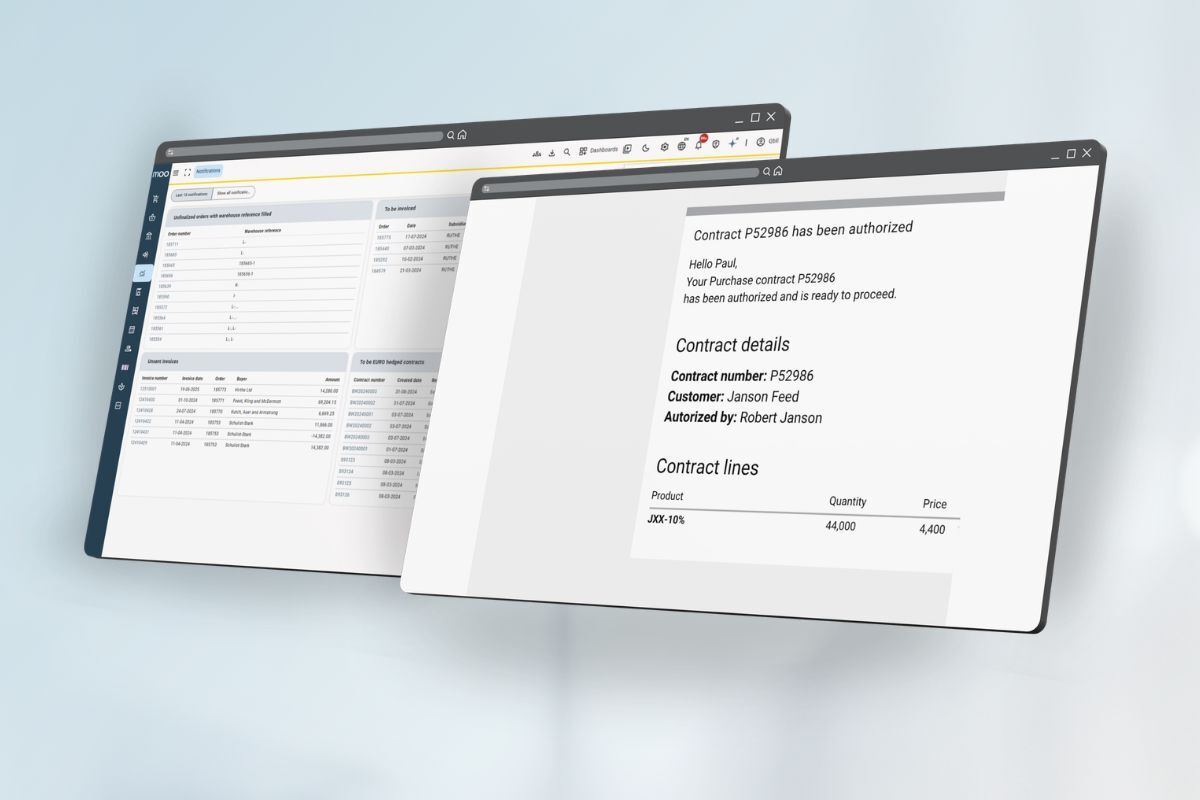

Implementing ERP software for dairy industry operations typically involves transitioning from manual processes to integrated digital systems that manage contracts, inventory, and trading operations. For small dairy trading companies, implementation means replacing spreadsheet-based workflows with specialised software that provides real-time visibility into positions, automates routine tasks, and streamlines ingredient trading processes. The implementation process transforms how dairy traders manage their daily operations while maintaining business continuity throughout the transition.
What exactly does ERP implementation mean for a small dairy trading company?
ERP implementation for small dairy trading companies means replacing manual processes, such as Excel spreadsheets, with an integrated software system that manages all trading operations from a single platform. This transformation connects contract management, inventory tracking, order processing, and financial reporting into a unified workflow that provides real-time visibility into your trading positions.
The implementation process involves migrating your existing data, configuring the system to match your specific trading workflows, and training your team to use the new software effectively. For dairy ingredient traders, this means moving from disconnected processes to a system where every contract, delivery, and payment is tracked automatically.
Your daily operations change significantly during implementation. Instead of manually updating multiple spreadsheets to track milk powder contracts or lactose inventory levels, the ERP system automatically updates positions when new contracts are entered or deliveries are recorded. This integration eliminates the risk of data inconsistencies that often occur when managing complex ingredient trading through manual processes.
The transformation also affects how you interact with customers and suppliers. Rather than searching through email threads and spreadsheets to find contract details or delivery schedules, all information becomes accessible through the integrated system, enabling faster responses to customer enquiries and more accurate position management.
How long does it typically take to implement ERP software in a dairy trading business?
Most small dairy trading companies can expect ERP implementation to take between two days and several weeks, depending on data complexity and customisation requirements. The initial system setup often happens within two working days, but full operational deployment, including staff training and process refinement, typically extends the timeline.
The implementation timeline follows distinct phases that affect the overall duration. Initial configuration and basic setup can be completed quickly when your data is well organised and your processes are clearly documented. However, migrating complex contract data from Excel spreadsheets or integrating with existing accounting systems may extend the implementation period.
Several factors can accelerate the implementation process. Having your contract data, customer information, and product specifications organised before starting significantly reduces setup time. Clear documentation of your current trading processes helps configure the system accurately from the beginning, minimising the need for later adjustments.
Factors that typically extend implementation include incomplete data organisation, complex integration requirements with existing systems, or the need for extensive customisation to match unique trading workflows. Staff availability for training sessions and the complexity of your current processes also influence the overall timeline.
Most dairy trading companies find they can begin using core functions within the first week, with full operational capability achieved within two to four weeks of starting the implementation process.
What are the biggest challenges small dairy traders face during ERP implementation?
The most significant challenge dairy traders face is migrating years of contract and customer data from Excel spreadsheets into the new system while maintaining data accuracy and completeness. This process requires careful attention to detail and often reveals inconsistencies in how information was previously recorded and stored.
Staff resistance to changing established workflows presents another major obstacle. Traders who have successfully managed their operations through spreadsheets for years may be reluctant to adopt new processes, especially during busy trading periods when learning new systems feels disruptive to daily operations.
Maintaining business continuity during the transition creates additional pressure. Dairy ingredient trading operates on tight margins with time-sensitive contracts, making it crucial to avoid disruptions to customer service or contract management during implementation. This requirement often means running parallel systems temporarily, which increases workload during the transition period.
Data quality issues frequently emerge during implementation when historical information stored in various spreadsheets contains inconsistencies or gaps. Cleaning and standardising this data before migration takes more time than initially expected and may delay the go-live date.
Training challenges also arise when team members have different comfort levels with technology. While some staff adapt quickly to new systems, others require additional support and practice time, potentially creating temporary productivity variations across the team.
Integration complexities with existing accounting or logistics systems can create technical hurdles that require additional configuration time and testing to ensure smooth data flow between platforms.
How much does ERP implementation actually cost for small dairy trading companies?
ERP implementation costs for small dairy trading companies typically range from several thousand to tens of thousands of pounds, depending on system complexity, user count, and integration requirements. The total investment includes software licensing, setup fees, training expenses, and ongoing operational costs that vary based on your specific needs.
Software licensing often follows a flexible pricing structure where you pay only for active users, making it easier to start small and scale as your business grows. This approach allows companies with around 15 users to manage initial costs while maintaining the ability to add capacity as trading volumes increase.
Setup and configuration fees cover system customisation, data migration, and initial training. These one-time costs depend on the complexity of your current data and how much customisation is needed to match your specific trading processes. Companies with well organised data and standard workflows typically face lower setup costs.
Training expenses include both initial staff training and ongoing support during the first few months of operation. While some training is included in implementation packages, additional training sessions may be needed for complex workflows or when new staff join the team.
Ongoing operational costs include software maintenance, support services, and potential integration fees with accounting or logistics systems. These recurring expenses should be factored into your annual technology budget alongside the initial implementation investment.
Hidden costs can emerge from data migration challenges, extended training requirements, or the need for additional integrations discovered during implementation. Planning for contingency expenses helps manage these unexpected costs effectively.
What steps should dairy traders take to prepare for successful ERP implementation?
Successful ERP implementation begins with organising your existing data before the implementation starts. Compile all contract information, customer details, supplier data, and product specifications into consistent formats that can be easily migrated to the new system, eliminating inconsistencies and gaps in your records.
Document your current trading processes in detail, including how you handle contract creation, order processing, inventory management, and customer communications. This documentation helps configure the ERP system to match your established workflows while identifying opportunities for process improvements.
Prepare your team for the transition by discussing the benefits of the new system and addressing concerns about changing established workflows. Schedule training sessions during less busy periods when staff can focus on learning new processes without pressure from urgent trading activities.
Establish clear project timelines and responsibilities, designating team members who will lead different aspects of the implementation. Having internal champions who understand both your current processes and the new system helps ensure smooth adoption across the organisation.
Plan for business continuity during the transition period by maintaining backup processes and ensuring critical trading operations can continue if issues arise. This preparation includes having contingency plans for accessing important contract information during the switchover period.
Test the configured system thoroughly before going live, using real contract scenarios and trading situations to ensure the software handles your specific requirements correctly. This testing phase helps identify any configuration adjustments needed before full deployment.
Ready to explore how our implementation process can transform your dairy trading operations? Our team guides you through every step of the transition, ensuring your business maintains continuity while gaining the benefits of integrated trading management. Contact us to discuss your specific implementation needs and timeline.
Frequently Asked Questions
Can we continue trading normally while the ERP system is being implemented?
Yes, most dairy trading companies maintain normal operations during implementation by running parallel systems temporarily. Your existing spreadsheets and processes remain functional while the new system is configured and tested. The transition typically happens gradually, with critical functions moved over once they're fully tested and staff are comfortable with the new workflows.
What happens if we discover data errors after the ERP system goes live?
Data corrections can be made after go-live, though it's more efficient to address issues during the migration phase. Most ERP systems allow authorised users to edit contract details, customer information, and inventory records. However, establish clear procedures for data corrections to maintain audit trails and prevent unauthorized changes to critical trading information.
How do we handle staff who are resistant to using the new ERP system?
Start with identifying your most tech-savvy team members as system champions who can support colleagues during the transition. Provide hands-on training with real trading scenarios rather than generic tutorials. Show concrete benefits like faster contract lookups or automated position calculations. Consider pairing resistant staff with enthusiastic adopters during the first few weeks of operation.
Should we clean up all our historical data before implementation, or can the ERP system handle messy spreadsheets?
Clean, organised data significantly speeds up implementation and reduces long-term operational issues. Focus on standardising customer names, product codes, and contract formats before migration. While ERP systems can import messy data, you'll spend more time correcting issues later. Prioritise cleaning your most recent and active contracts first, then work backwards through historical data as time permits.
What's the best way to test the ERP system before fully committing to it?
Create test scenarios using your actual contract types and trading situations rather than generic examples. Input real customer orders, simulate delivery schedules, and test integration with your accounting system using sample data. Run parallel operations for at least a week, comparing outputs between your old spreadsheets and the new system to ensure accuracy before fully transitioning.
How soon after implementation can we expect to see productivity improvements?
Most dairy traders notice time savings within 2-3 weeks as they become comfortable with automated features like contract position updates and inventory tracking. Significant productivity gains typically emerge after 4-6 weeks when staff fully adopt new workflows. The biggest improvements come from reduced time spent searching for information and eliminated double-entry of contract data across multiple spreadsheets.
What should we do if integration with our existing accounting system doesn't work as expected?
First, verify that data formats match between systems and that all required fields are properly mapped. Most integration issues stem from inconsistent data formats or missing information rather than technical problems. Work with both your ERP provider and accounting software support teams to identify the specific integration points causing issues. Temporary manual exports can maintain operations while technical problems are resolved.