





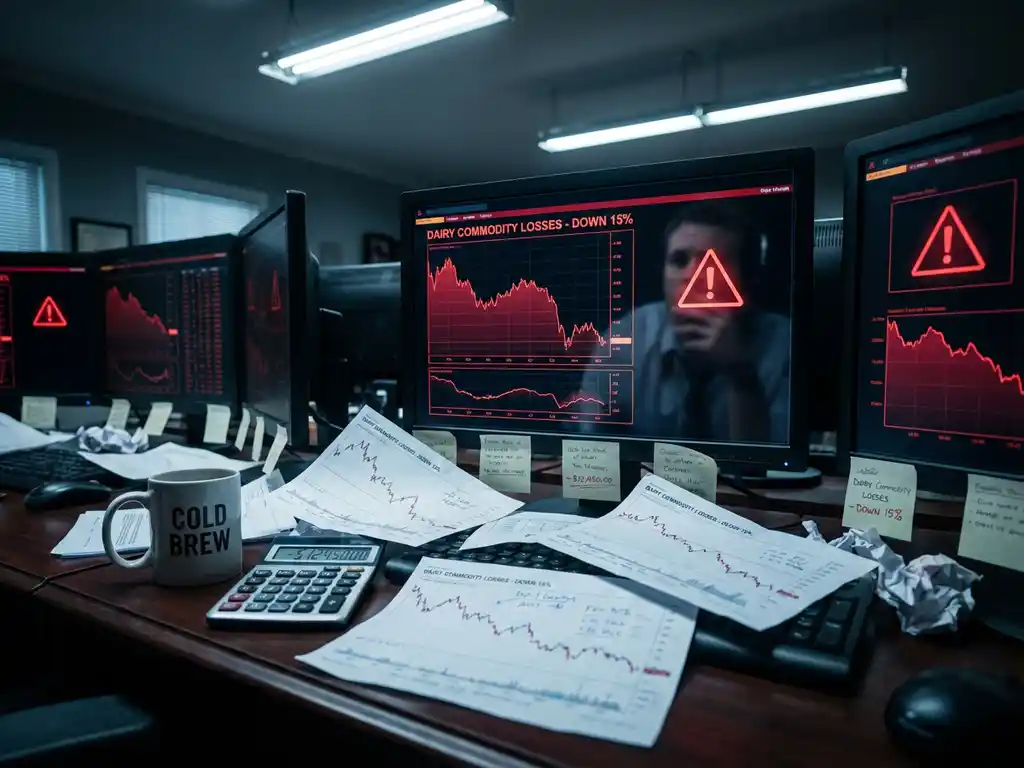
Dairy traders lose money on position management primarily due to inadequate real-time visibility into their bought versus sold quantities, manual tracking errors, and delayed responses to market changes. Poor position management leads to overselling without cover, missed hedging opportunities, and exposure to volatile price swings that can erode already thin trading margins.
What exactly is position management in dairy trading?
Position management in dairy trading involves tracking the exact balance between purchased and sold quantities across all contracts and delivery periods. Traders must maintain real-time visibility of their net position—whether they’re long (bought more than sold) or short (sold more than bought)—for each product grade and delivery timeframe.
Effective position management requires monitoring multiple variables simultaneously. Traders track contract quantities, delivery schedules, quality specifications, and price commitments across dozens or hundreds of active positions. For instance, a trader might have purchased 500 tonnes of milk powder for March delivery while selling 400 tonnes, creating a long position of 100 tonnes that requires careful monitoring.
The complexity increases when dealing with different product grades, packaging requirements, and delivery locations. A single trader might manage positions in whole milk powder, skimmed milk powder, whey protein, and lactose simultaneously, each with varying delivery periods and quality specifications. This intricate web of commitments demands systematic tracking to prevent costly mistakes.
Real-time position visibility becomes crucial when market conditions change rapidly. Dairy markets can experience significant price movements within hours, and traders need immediate access to their exposure levels to make informed decisions about hedging, additional purchases, or sales opportunities.
Why do dairy traders struggle with tracking their actual positions?
Dairy traders struggle with position tracking because they rely heavily on manual processes and spreadsheet systems that cannot handle the complexity of modern ingredient trading. Excel-based tracking breaks down when managing multiple product grades, delivery schedules, and contract modifications across numerous suppliers and customers.
Timing delays between contract execution and system updates create dangerous gaps in position awareness. A trader might agree to a sale over the phone, but if the transaction isn’t immediately reflected in their tracking system, they could unknowingly oversell their available inventory. These delays become particularly problematic during busy trading periods when multiple deals occur within short timeframes.
Contract modifications add another layer of complexity that manual systems handle poorly. Delivery dates change, quantities adjust, and quality specifications evolve throughout a contract’s lifecycle. Spreadsheets require manual updates for each change, creating opportunities for errors and omissions that compound over time.
The interconnected nature of dairy trading relationships further complicates position tracking. The same company might be both a customer and a supplier, creating offsetting positions that require careful netting calculations. Manual systems struggle to calculate these relationships automatically, forcing traders to perform complex reconciliations that are prone to human error.
Multiple product specifications within single contracts create additional tracking challenges. A milk powder contract might involve different protein levels, moisture content, or packaging requirements, each affecting the trader’s actual position and available inventory for future sales.
What are the most expensive mistakes dairy traders make with positions?
The most expensive position management mistake is overselling without adequate cover, where traders sell more than they have purchased or can reasonably source. This forces emergency buying at unfavorable prices, often during market peaks when suppliers have pricing power and limited availability.
Failing to hedge price risks on open positions creates significant financial exposure. When a trader maintains a long position without price protection, market downturns can quickly eliminate months of trading profits. Conversely, unhedged short positions during price rallies can result in substantial losses when covering purchases become necessary.
Missing contract obligations due to poor position tracking damages relationships and creates financial penalties. When traders fail to deliver promised quantities on schedule, customers may source elsewhere and impose penalty clauses. This damage often costs more than immediate financial losses, as dairy trading relies heavily on trust and reliability.
Inadequate inventory turnover management ties up working capital and increases storage costs. Traders who lose track of aging inventory may find themselves holding products beyond optimal selling periods, forcing discounted sales or facing quality degradation issues.
Currency exposure on international positions can amplify losses when traders fail to track and hedge foreign exchange risks. Dairy ingredients trade globally, and unmanaged currency positions can turn profitable trades into losses when exchange rates move unfavorably.
How do market volatility and timing affect dairy trading positions?
Market volatility dramatically impacts position values because dairy commodity prices can fluctuate significantly within short periods. A trader holding a long position during a market downturn faces immediate paper losses, while those caught short during price spikes encounter mounting replacement costs that threaten profitability.
Timing mismatches between purchases and sales create exposure windows where traders bear market risk. When buying milk powder in January for June delivery while selling for April shipment, the trader faces two months of price exposure between their sale and purchase commitments. During volatile periods, these timing gaps can generate substantial gains or losses.
Seasonal patterns in dairy markets affect position values predictably, but weather events, disease outbreaks, or trade policy changes can disrupt normal cycles. Traders who base position strategies on historical patterns may find themselves exposed when exceptional events drive prices outside expected ranges.
The interconnected nature of global dairy markets means that events in major producing regions affect worldwide prices rapidly. A drought in New Zealand or trade restrictions in Europe can impact position values for traders operating in completely different markets within hours of the news breaking.
Delivery period mismatches compound volatility effects when traders cannot perfectly align their purchase and sale timing. The longer the gap between committed sales and covering purchases, the greater the exposure to adverse price movements that can erode trading margins.
What tools and strategies prevent position management losses?
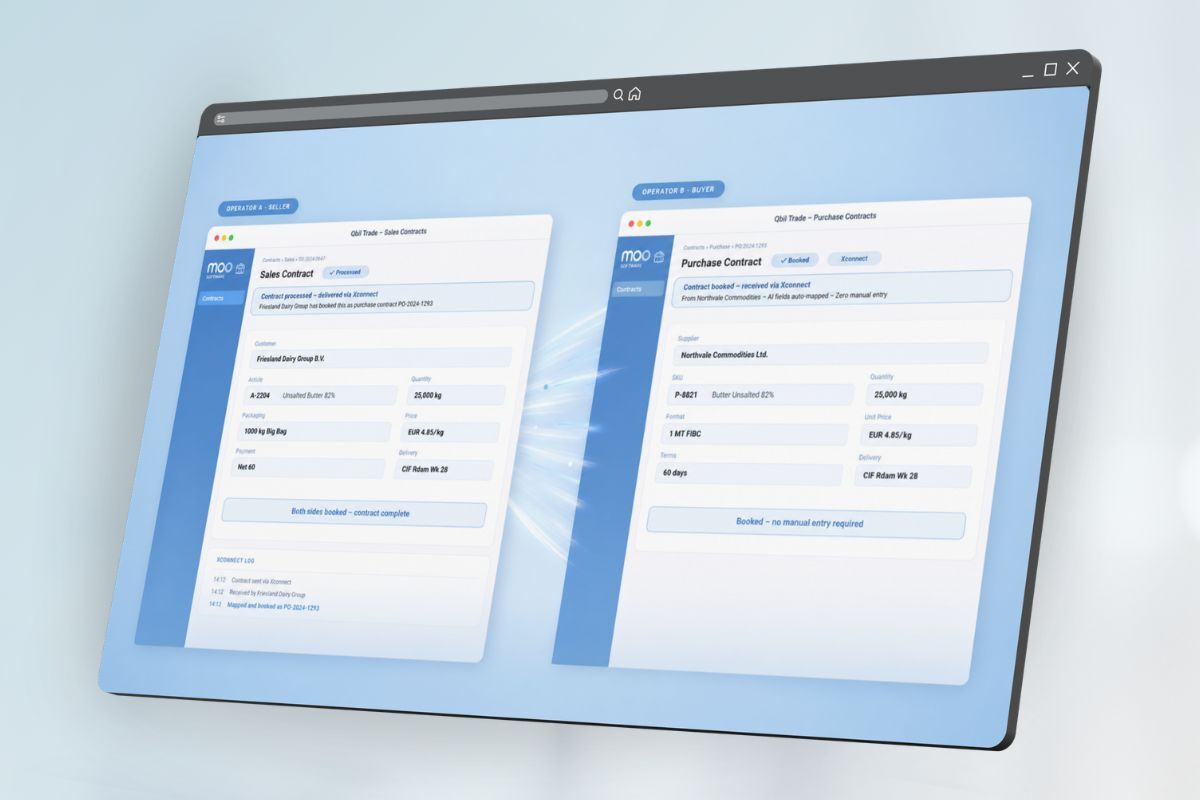
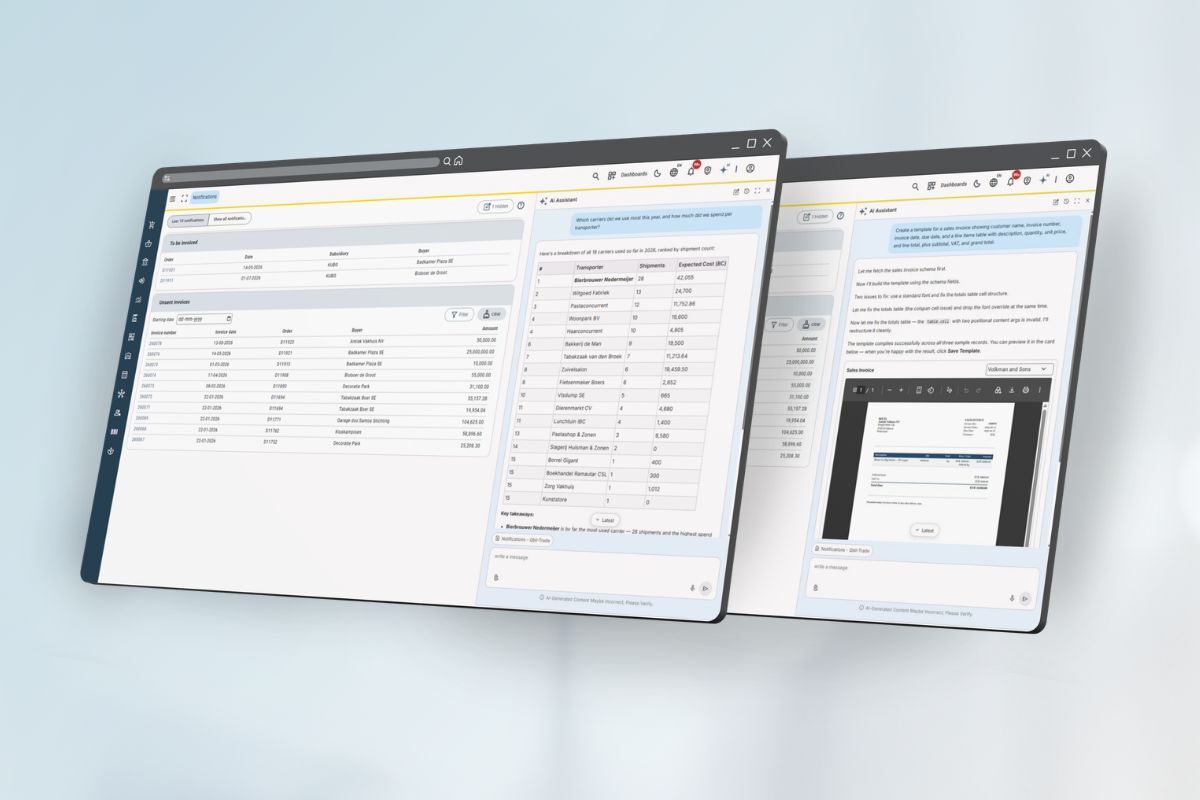
Real-time tracking systems eliminate the delays and errors inherent in manual position management by automatically updating positions as transactions occur. Modern ERP software for the dairy industry provides instant visibility into net positions across all products, delivery periods, and counterparties, enabling traders to make informed decisions quickly.
Automated alerts for position imbalances help traders identify exposure risks before they become costly problems. These systems can notify traders when positions exceed predetermined limits, when delivery dates approach without adequate cover, or when market movements create significant mark-to-market impacts on open positions.
Risk management protocols establish clear guidelines for maximum position sizes, hedging requirements, and approval processes for large trades. These protocols prevent individual traders from taking on excessive risk and ensure senior management oversight of significant exposures.
Integration with accounting and logistics systems provides comprehensive position tracking that extends beyond simple buy-sell calculations. Modern systems track quality specifications, delivery logistics, payment terms, and contract modifications in real time, eliminating the gaps that create costly surprises.
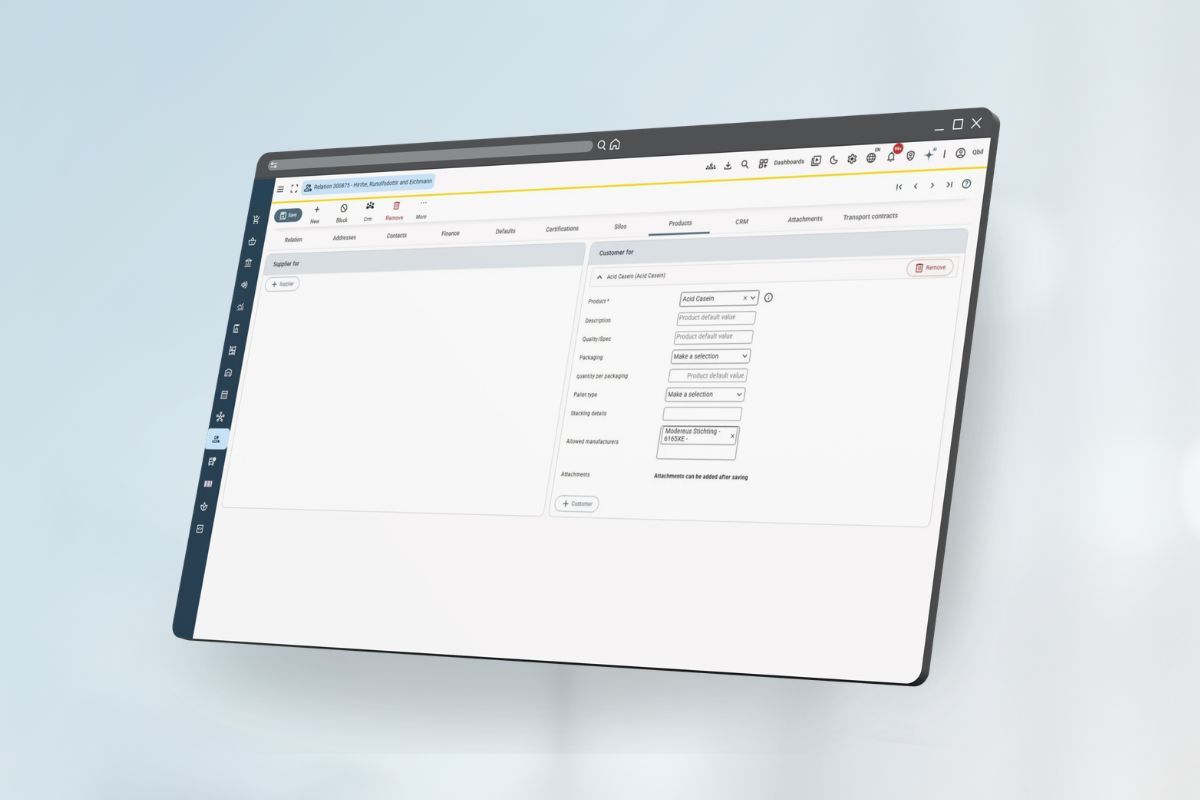
Specialized trading software designed specifically for ingredient trading addresses the unique requirements of dairy markets. Unlike generic systems, these platforms handle product specifications, delivery scheduling, and relationship mapping that characterize successful dairy trading operations.
We help traders implement comprehensive position management systems that eliminate manual errors and provide the real-time visibility essential for profitable trading. Our implementation process typically gets trading environments operational within two working days, minimizing disruption while maximizing the benefits of improved position control.
Professional position management transforms dairy trading from reactive firefighting into proactive risk management. When traders have complete visibility into their positions, they can focus on identifying profitable opportunities rather than scrambling to cover unexpected exposures. For more information about implementing effective position management solutions, contact us to discuss your specific trading requirements.
Frequently Asked Questions
How quickly can a dairy trader implement a real-time position management system?
Most specialized dairy trading platforms can be implemented within 2-5 working days, depending on the complexity of your existing operations. The key is choosing software specifically designed for ingredient trading rather than generic ERP systems. During implementation, focus on migrating your most critical active positions first, then gradually adding historical data and advanced features like automated alerts and risk protocols.
What's the minimum position size where automated tracking becomes cost-effective?
Automated position tracking becomes cost-effective for traders handling more than 20-30 active contracts simultaneously or managing monthly volumes exceeding $500,000. However, even smaller operations benefit from automation if they trade multiple product grades, manage complex delivery schedules, or operate in highly volatile markets where manual delays can quickly erode thin margins.
How do you handle position tracking when the same company is both a supplier and customer?
Modern trading systems automatically net positions between counterparties, but you need to configure relationship mapping carefully. Set up separate position tracking for each product grade and delivery period, then use automated netting calculations to determine your true exposure. Always maintain audit trails showing individual transactions, as regulatory requirements and dispute resolution often require detailed transaction history rather than just net positions.
What are the warning signs that your current position management system is failing?
Key warning signs include discovering unexpected short positions during routine reconciliations, missing delivery deadlines due to inadequate inventory tracking, spending more than 30% of your time on manual position calculations, or experiencing frequent disputes with counterparties about contract terms. If you’re regularly making emergency purchases at unfavorable prices or can’t quickly answer questions about your net exposure, your system needs immediate upgrade.
How should dairy traders hedge positions when dealing with multiple currencies and delivery dates?
Implement a layered hedging approach that separates commodity price risk from currency risk. Use forward contracts or options to hedge price exposure on your net commodity positions, then separately hedge foreign exchange risk on international contracts. For complex delivery schedules, consider using rolling hedges that adjust coverage as delivery dates approach, rather than trying to perfectly match every individual contract’s timing.
What backup procedures should be in place if the automated position tracking system fails?
Maintain daily position snapshots exported to secure backup systems, establish manual reconciliation procedures using simplified spreadsheets for emergency use, and ensure at least two team members understand your complete position structure. Create emergency contact lists for all active counterparties and maintain paper copies of critical contract terms. Most importantly, test your backup procedures monthly to ensure they work when needed.
How do you calculate the true cost of poor position management beyond direct trading losses?
Beyond direct trading losses, poor position management costs include increased working capital requirements from inventory buildup, relationship damage from missed deliveries (often worth 5-10x the immediate financial penalty), opportunity costs from conservative trading due to uncertainty, and staff time spent on manual reconciliation rather than business development. Many traders find these indirect costs exceed their direct trading losses by 2-3 times.