
Ingredient trading companies typically prepare for business expansion by strengthening their financial position, upgrading operational systems, and implementing scalable technology infrastructure. Successful expansion requires careful assessment of market readiness, operational capacity, and risk management capabilities. The preparation process involves evaluating current performance indicators, optimising trading workflows, and establishing robust systems that can handle increased volumes while maintaining profitability throughout the growth phase.
What are the key signs that an ingredient trading company is ready for expansion?
A trading company is ready for expansion when it demonstrates consistent profitability, stable cash flow, and operational efficiency in its current markets. Key indicators include maintaining healthy profit margins over multiple trading cycles, having established supplier and customer relationships, and possessing adequate working capital to fund larger inventory positions.
Financial readiness is reflected in reliable cash flow patterns that can support increased inventory investments and longer payment cycles. Companies should maintain profit margins that remain stable even during market volatility, indicating strong trading expertise and risk management capabilities.
Operational capacity markers include streamlined processes that do not require constant management intervention. When daily operations run smoothly with existing staff, and the team can handle current trading volumes without undue stress, this suggests readiness to scale up.
Market demand signals play a crucial role in expansion timing. Strong customer relationships that drive requests for larger volumes, new market opportunities, and suppliers offering better terms for increased purchases all indicate readiness for business growth.
How do ingredient trading companies prepare their operations for increased volume?
Companies prepare for increased volume by standardising workflows, expanding supplier networks, and implementing systematic inventory management processes. This involves documenting trading procedures, establishing clear quality control measures, and creating scalable systems that can handle larger transaction volumes without compromising accuracy or efficiency.
Inventory management becomes critical when handling larger volumes. Companies need robust tracking systems that provide real-time visibility into stock levels, contract positions, and delivery schedules. This prevents overselling, reduces carrying costs, and ensures timely fulfilment of customer orders.
Supplier relationship expansion involves diversifying the supplier base to reduce dependency risks while negotiating better terms for larger volumes. Building relationships with multiple suppliers in each product category provides flexibility and competitive pricing advantages essential for profitable scaling.
Logistics optimisation requires establishing partnerships with reliable freight forwarders, warehousing facilities, and transportation providers. Companies must ensure their logistics network can handle increased throughput while maintaining cost efficiency and delivery reliability that customers expect.
What technology infrastructure changes are needed when ingredient trading companies expand?
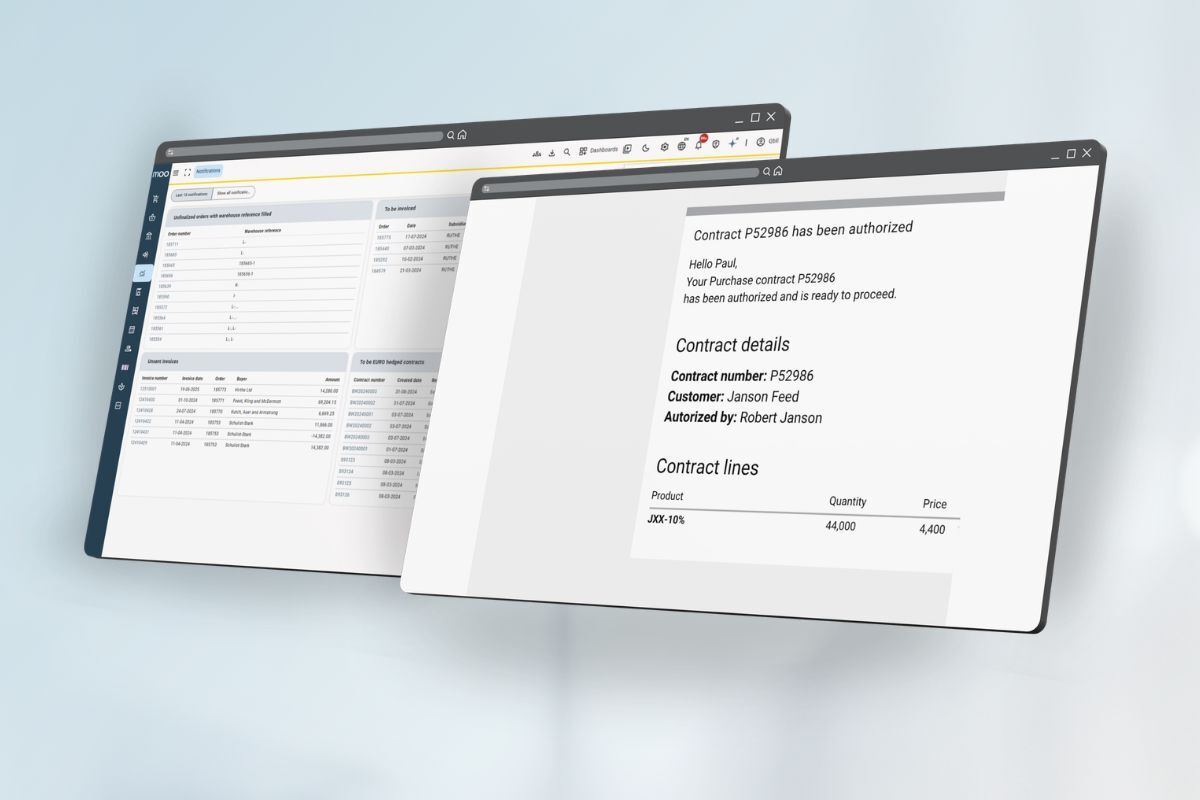
Expanding trading companies need integrated ERP software for dairy industry operations that connects contract management, inventory tracking, and financial reporting in one system. This eliminates manual processes, reduces errors, and provides real-time visibility into trading positions essential for managing larger volumes effectively.
System integration becomes crucial as complexity increases. Companies moving beyond basic spreadsheets require specialised trading software that handles contract management, position tracking, and automated invoice processing. These systems must integrate with existing accounting software to maintain financial accuracy.
Data management improvements involve implementing automated reporting systems that provide daily position reports, margin analysis, and cash flow projections. Real-time data access enables quick decision-making and helps identify potential issues before they impact profitability.
Automation tools become essential for handling repetitive tasks such as order processing, invoice generation, and compliance reporting. Companies typically find that professional implementation support ensures a smooth transition from manual processes to automated systems, usually completing setup within days rather than months.
How do ingredient traders maintain profitability during rapid business growth?
Traders maintain profitability during growth by implementing rigorous margin monitoring, establishing clear risk limits, and maintaining disciplined cost control measures. This requires daily position tracking, automated margin calculations, and systematic review of all trading activities to ensure each transaction contributes positively to overall profitability.
Risk management practices become more sophisticated during expansion. Companies establish position limits for individual products and customers, implement hedging strategies for price volatility, and maintain adequate insurance coverage for larger inventory positions. Regular stress testing helps identify potential vulnerabilities before they become problems.
Cost control measures focus on maintaining operational efficiency while scaling. This involves negotiating volume discounts with suppliers, optimising logistics costs through better route planning, and avoiding unnecessary overhead increases that could erode profit margins.
Financial monitoring systems provide real-time visibility into key performance indicators, including gross margins, working capital requirements, and cash flow patterns. Companies need systems that automatically calculate trading positions and flag any transactions that fall below minimum margin requirements, ensuring profitability remains protected during rapid growth phases.
Successful expansion in ingredient trading requires balancing growth opportunities with operational capabilities and financial stability. Companies that invest in proper preparation, including robust technology infrastructure and systematic processes, position themselves for sustainable growth while maintaining the profitability that makes expansion worthwhile. The key lies in building scalable systems before they become absolutely necessary, ensuring smooth transitions during periods of rapid business development.
Frequently Asked Questions
How much working capital should an ingredient trading company have before attempting expansion?
Companies should maintain working capital equivalent to at least 3-6 months of operating expenses plus sufficient funds to cover increased inventory positions. A general rule is having 20-30% more working capital than current peak inventory requirements to handle larger volumes and longer payment cycles without cash flow strain.
What are the most common mistakes ingredient traders make during expansion?
The biggest mistakes include expanding too quickly without adequate systems in place, neglecting supplier diversification, and underestimating working capital requirements. Many companies also fail to maintain their profit margin discipline when chasing larger volumes, leading to reduced profitability despite increased sales.
How long does it typically take to implement new trading software during expansion?
With professional implementation support, most ingredient trading companies can complete software setup within 2-4 weeks. However, full team adoption and process optimization usually takes 2-3 months. Starting implementation before reaching capacity limits prevents disruption during critical growth periods.
Should ingredient trading companies expand into new product categories or focus on increasing volume in existing categories?
Focus on increasing volume in existing categories first, as this leverages established supplier relationships and market knowledge while requiring less additional expertise. Expand into new product categories only after achieving stable growth in core areas and developing sufficient operational capacity to manage increased complexity.
How can ingredient traders identify reliable suppliers when expanding their network?
Start by requesting references from potential suppliers and conducting site visits when possible. Evaluate their financial stability, quality certifications, and track record with similar-sized companies. Begin with smaller test orders to assess reliability, quality consistency, and communication before committing to larger volume agreements.
What key performance indicators should ingredient trading companies monitor during expansion?
Monitor gross margin percentage, inventory turnover rates, days sales outstanding (DSO), and working capital efficiency ratios. Track these metrics weekly during expansion phases, as they provide early warning signs of operational stress or declining profitability that could derail growth plans.