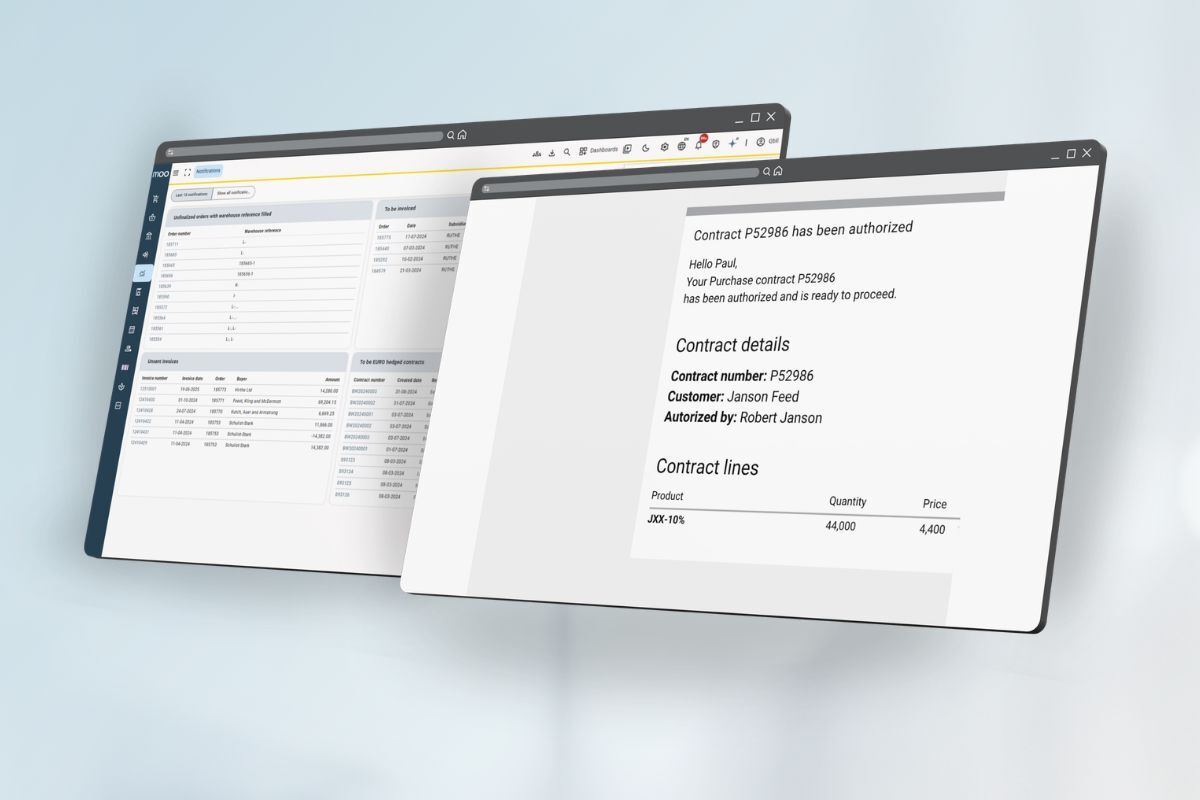
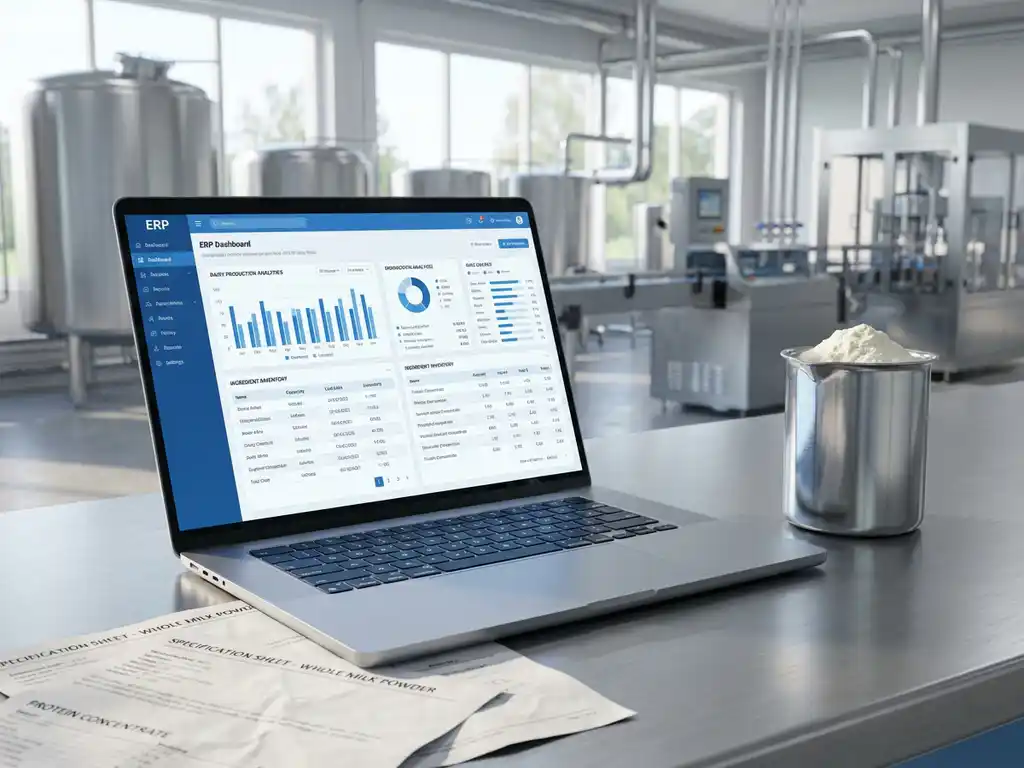
ERP software for the dairy industry manages complex ingredient specifications through specialised tracking systems that monitor multiple parameters simultaneously. These systems handle protein content, fat percentages, moisture levels, and regulatory requirements, making manual tracking insufficient for modern dairy trading operations. Specialised dairy ERP solutions provide automated data capture, real-time monitoring, and compliance features specifically designed for managing ingredient specifications.
What makes dairy ingredient specifications so complex to manage?
Dairy ingredient specifications involve multiple interconnected parameters that change throughout processing and storage. Unlike simple commodities, dairy ingredients such as milk powder, whey proteins, and lactose require precise tracking of protein content variations, fat percentages, moisture levels, and microbiological parameters that directly affect product quality and regulatory compliance.
The complexity stems from the dynamic nature of dairy ingredients during processing. Protein content can vary between batches, fat percentages fluctuate due to seasonal factors, and moisture levels change during storage and transport. Each parameter affects the others, creating a web of interdependent specifications that must be monitored continuously.
Regulatory compliance adds another layer of complexity. Different markets require specific certifications, testing protocols, and documentation standards. European regulations differ from American standards, and organic certifications require separate tracking systems. Manual spreadsheet management becomes insufficient when dealing with hundreds of batches, each with unique specification requirements and compliance documentation.
Temperature sensitivity further complicates specification management. Dairy ingredients can deteriorate rapidly if storage conditions aren’t maintained precisely. This requires real-time monitoring and automatic alerts when specifications drift outside acceptable ranges—something impossible to achieve with traditional manual tracking methods.
How does specialised ERP software track multiple specification parameters simultaneously?
Specialised ERP systems manage multi-dimensional specification tracking through automated data capture and real-time parameter monitoring. These systems integrate directly with laboratory testing equipment, automatically importing specification data and maintaining batch-specific documentation without manual data-entry errors or delays.
The software creates digital specification profiles for each ingredient type, automatically tracking protein content, fat percentages, moisture levels, and microbiological parameters simultaneously. When new test results arrive, the system updates all related batches, contracts, and inventory positions in real time, ensuring accurate specification tracking across complex ingredient profiles.
Integration with laboratory testing systems eliminates manual transcription errors. Test results flow directly into the ERP system, where they are automatically compared against specification ranges and contract requirements. The software flags any deviations immediately, alerting traders and quality control teams before problems affect customer deliveries.
Batch-specific documentation maintains complete traceability throughout the supply chain. Each batch carries its specification history, showing how parameters changed during processing, storage, and transport. This creates an audit trail that satisfies regulatory requirements while providing the detailed information needed for quality control and customer specifications.
What’s the difference between generic ERP and dairy-specific systems for ingredient management?
Generic ERP systems treat dairy ingredients like standard inventory items, lacking the sophisticated specification tracking required for dairy trading. Dairy-specific ERP solutions include pre-configured parameter templates, industry-specific compliance features, and automated quality control workflows designed specifically for dairy ingredient specifications and regulatory requirements.
Generic systems require extensive customisation to handle dairy specifications properly. They lack built-in knowledge of industry standards, regulatory requirements, and the complex relationships between different specification parameters. This leads to inadequate tracking capabilities and compliance gaps that can affect product quality and regulatory approval.
Dairy-specific systems include pre-built templates for common ingredients such as milk powder, whey proteins, and lactose. These templates account for the critical specification parameters for each ingredient type and include automated quality control workflows that flag potential issues before they affect product quality or customer satisfaction.
The compliance features in dairy-specific systems automatically account for regional regulatory requirements. They generate the correct documentation formats, maintain required testing schedules, and ensure audit trails meet industry standards. Generic systems require manual configuration for each compliance requirement, creating opportunities for errors and regulatory non-compliance.
How do modern ERP systems handle specification changes during ingredient processing?
Advanced ERP systems manage dynamic specification tracking through real-time updates during processing, automated alerts for specification deviations, and continuous traceability. The systems document specification changes automatically, maintaining compliance records and quality assurance documentation throughout the ingredient lifecycle without manual intervention.
Real-time monitoring capabilities track specification changes as they occur during processing. When ingredients undergo blending, drying, or other processing steps, the system automatically calculates new specification values based on processing parameters and updates all related records immediately. This ensures accurate specification tracking throughout complex processing workflows.
Automated alert systems notify relevant personnel when specifications drift outside acceptable ranges. Quality control teams receive immediate notifications when moisture levels exceed limits, protein content falls below specifications, or microbiological parameters approach critical thresholds. These alerts enable rapid corrective action before problems affect product quality.
Complete traceability ensures specification changes are documented with timestamps, responsible personnel, and processing conditions. This creates comprehensive audit trails that satisfy regulatory requirements while providing the detailed information needed for quality improvement and process optimisation.
The implementation process for dairy-specific ERP systems typically involves configuring specification templates, integrating with existing laboratory systems, and training staff on new workflows. Most dairy traders find that specialised systems provide better specification control and regulatory compliance than generic alternatives.
Understanding how ERP software handles complex dairy ingredient specifications helps traders choose systems that provide adequate specification tracking, regulatory compliance, and quality control capabilities. For guidance on implementing specification management systems, contact our team to discuss your specific dairy ingredient tracking requirements.
Frequently Asked Questions
How long does it typically take to implement a dairy-specific ERP system for ingredient specification management?
Implementation timelines vary based on system complexity and business size, but most dairy-specific ERP systems take 3-6 months to fully deploy. This includes configuring specification templates, integrating with laboratory equipment, migrating historical data, and training staff on new workflows. The key is proper planning and phased rollouts to minimize disruption to daily operations.
What happens if our laboratory testing equipment isn't compatible with the ERP system?
Most modern dairy ERP systems offer flexible integration options, including API connections, file imports, and third-party middleware solutions. If direct integration isn't possible, the system can typically import test results via CSV files or manual entry with validation checks. Your ERP provider should assess compatibility during the evaluation phase and recommend integration solutions.
Can the system handle specification requirements for multiple international markets simultaneously?
Yes, advanced dairy ERP systems manage multi-market compliance by maintaining separate specification profiles for different regions and customers. The system can track the same batch against European, American, and Asian standards simultaneously, generating appropriate documentation for each market. This eliminates the need for separate tracking systems for different export destinations.
How does the system prevent human error when managing thousands of specification data points?
Dairy ERP systems minimize human error through automated data capture, validation rules, and approval workflows. The system automatically imports test results, validates data against acceptable ranges, and flags anomalies for review. Role-based permissions ensure only authorized personnel can modify critical specifications, while audit trails track all changes for accountability.
What should we do if specification parameters change after products have already been shipped to customers?
The ERP system maintains complete traceability, allowing you to identify affected shipments immediately and notify customers proactively. Most systems include recall management features that generate customer notifications, track product locations, and document corrective actions. Quick identification and transparent communication help maintain customer relationships even when specification issues arise.
How do we migrate years of historical specification data from spreadsheets to the new ERP system?
Data migration typically involves cleaning and standardizing existing spreadsheet data, then importing it through structured templates provided by the ERP vendor. Most implementations include data migration services where specialists help map your existing data structure to the new system format. Plan for 4-6 weeks of data preparation and validation to ensure accuracy.
Can the system generate custom specification reports for specific customer requirements?
Modern dairy ERP systems include flexible reporting engines that can generate custom specification reports, certificates of analysis, and compliance documentation tailored to individual customer requirements. You can create templates for different customers and automatically populate them with batch-specific data, ensuring consistent formatting while meeting unique specification presentation needs.